Andean and Central American Nations Roll Out Unified Digital STEM Curriculum to Bridge Regional Educational Divides

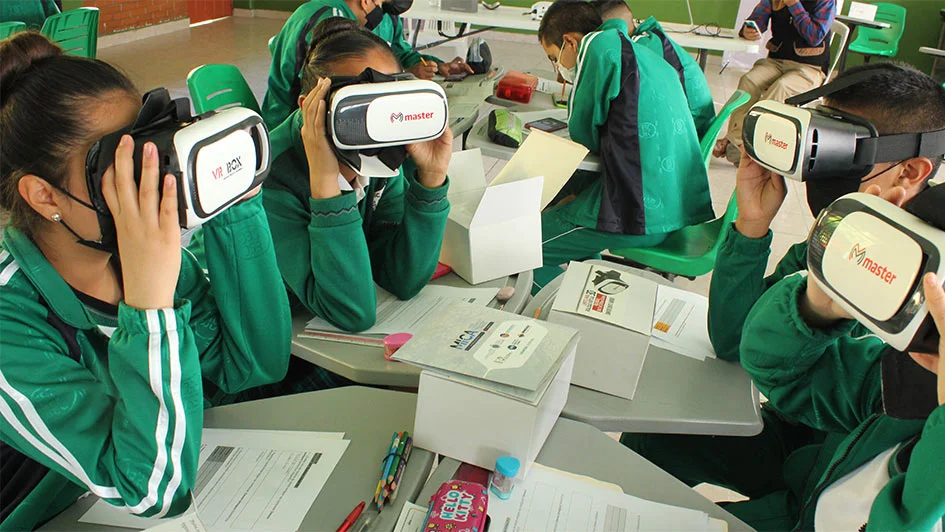
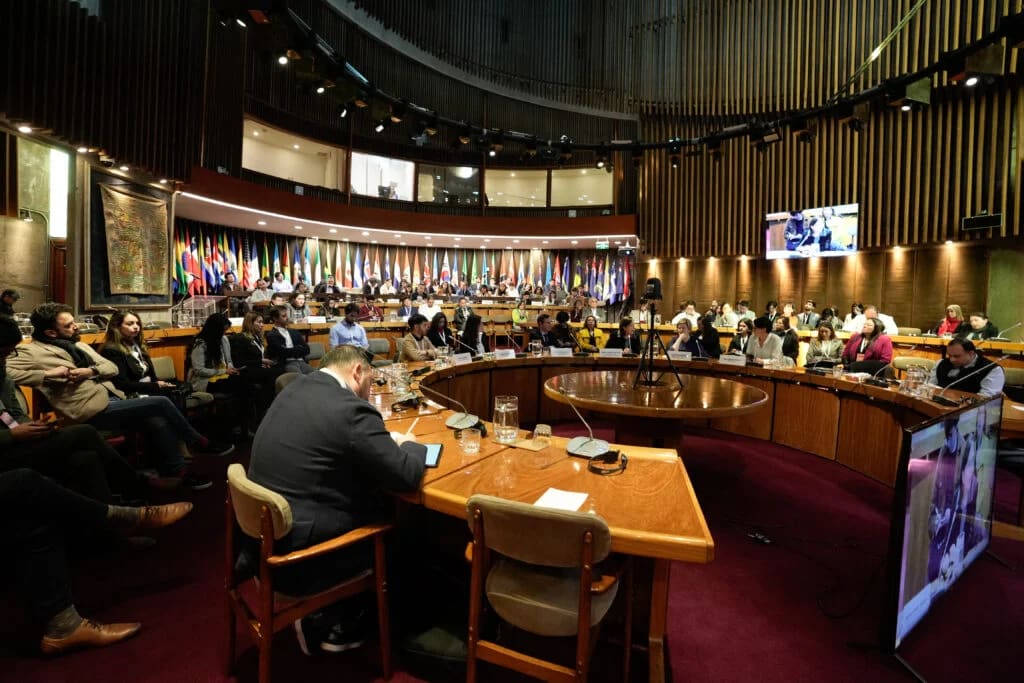
QUITO: Education ministers from eight Andean and Central American nations, convening alongside UNESCO educational specialists in Quito, formally launched the "Pan-American Digital STEM Initiative," a groundbreaking multilateral educational framework providing open-source science, technology, engineering, and mathematics curricula to more than 2.5 million public school students.
The joint accord—signed by educational authorities from Ecuador, Colombia, Peru, Bolivia, Guatemala, Honduras, El Salvador, and Costa Rica—establishes a standardized, multilingual digital learning platform accessible online and offline on low-cost tablet devices across rural and urban schools.
The program directly tackles persistent regional learning disparities by equipping students in remote mountainous and agricultural communities with essential digital literacy, algorithmic thinking, robotics foundations, and applied environmental science skills.
Open-Source Digital Learning and Offline Accessibility
Recognizing regional connectivity gaps where rural internet access remains fragmented, the platform incorporates offline mesh-caching technology, allowing teachers to download weekly interactive science modules, coding exercises, and video masterclasses onto solar-powered local school servers.
The curriculum has been customized in Spanish and four major indigenous languages—Quechua, Aymara, K'iche', and Wayuunaiki—ensuring cultural inclusivity and linguistic preservation.
"Digital literacy and scientific curiosity cannot remain the exclusive privilege of urban private schools," declared Ecuadorian Education Minister Alegría Crespo. "By providing shared, high-quality STEM education to every public classroom, we are empowering the next generation of Latin American innovators."
Key Pillars of the Multilateral STEM Framework
The regional initiative establishes four foundational operational programs:
- Teacher Professional Certification: Upskilling and certifying 60,000 public school educators in modern STEM pedagogical techniques and classroom programming instruction.
- Hands-On Renewable Energy Labs: Distributing 15,000 modular solar, wind, and soil sensor laboratory kits for applied climate science experiments.
- Youth Hackathons & Innovation Challenges: Hosting annual inter-school coding and robotics competitions focused on solving localized agricultural and environmental challenges.
- Girls in STEM Mentorship Network: Connecting female secondary school students with leading Latin American scientists, software engineers, and university faculty.
Funding and International Co-Financing
The Inter-American Development Bank (IDB) and global philanthropic education foundations committed $180 million in matching concessionary financing to guarantee the hardware distribution and server maintenance through 2029.
Reader Conversation
You must be logged in to post a comment.