Dominican Republic Tightens Migration Controls with Haiti

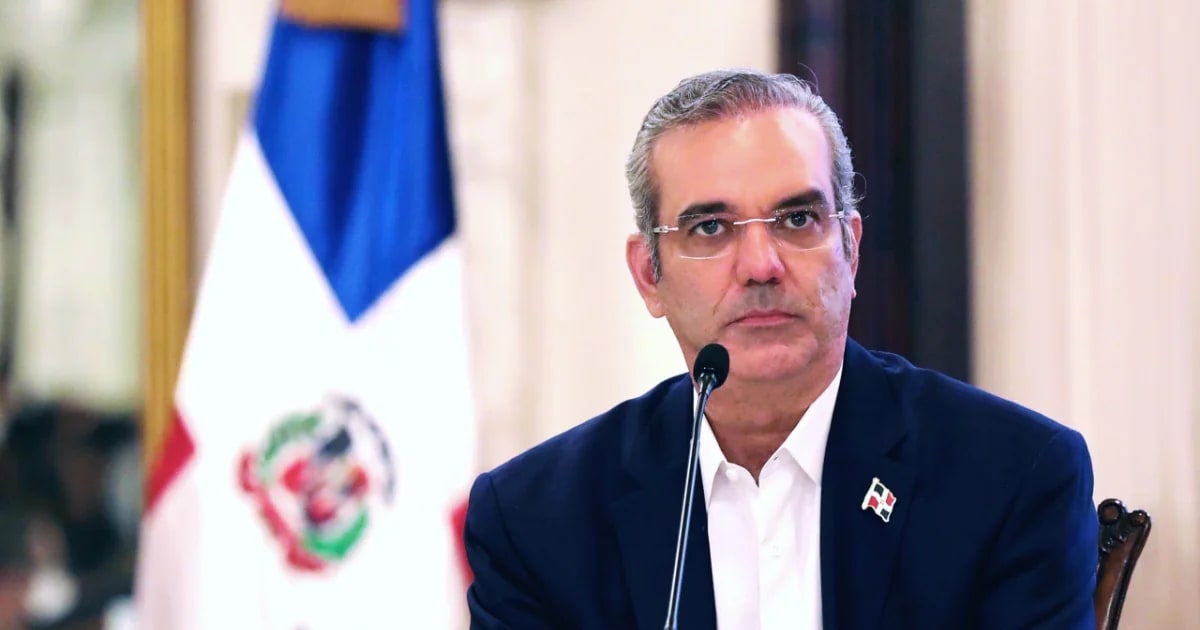
Santo Domingo: The Dominican Republic intensified in the first quarter of 2026 its migration controls on the border with Haiti, responding to the worsening security and humanitarian crisis in the neighboring country. President Luis Abinader's government announced additional measures including reinforcement of the border barrier, greater deployment of military personnel, and acceleration of repatriation processes.
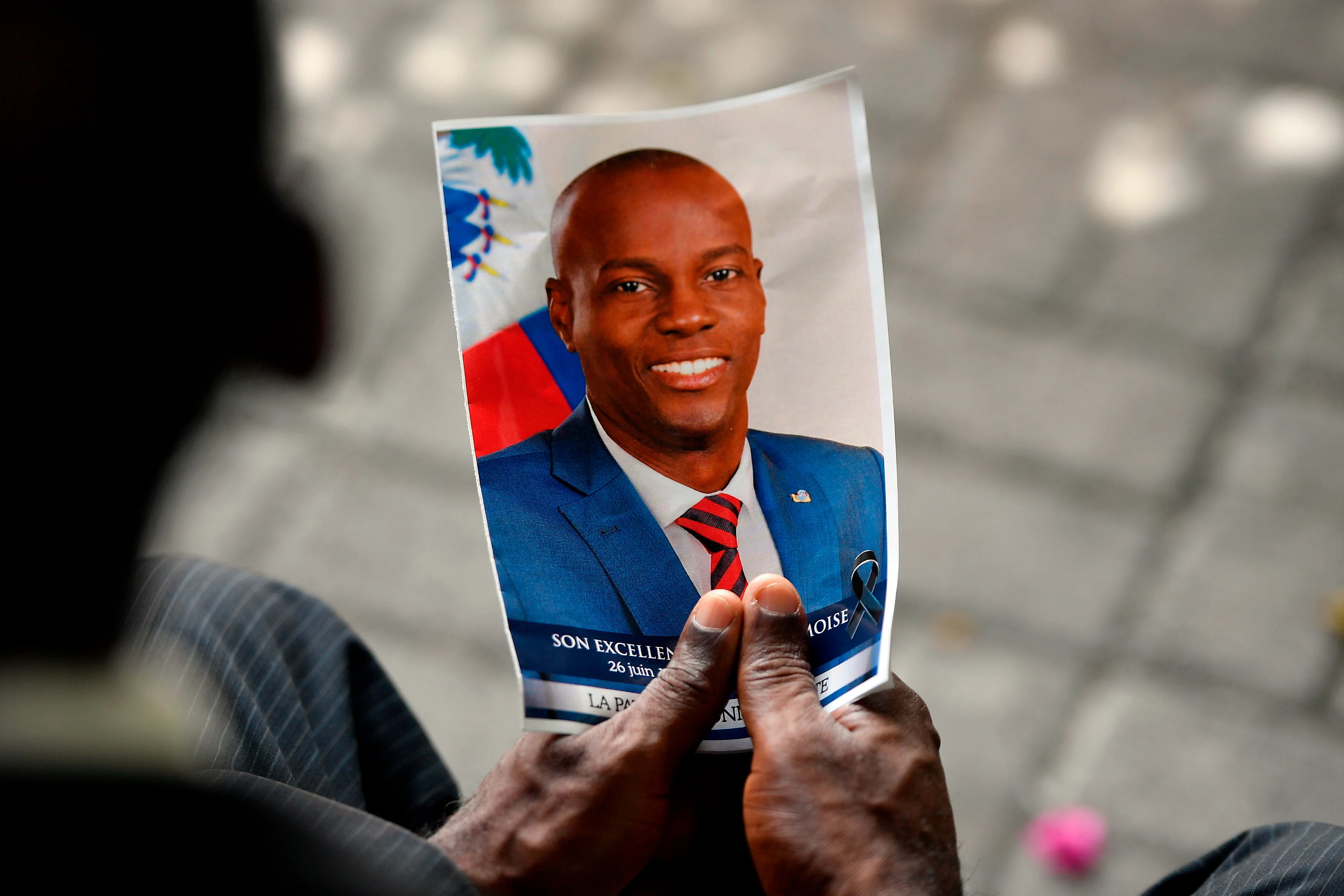
The Haitian crisis has deepened in 2026, with armed groups controlling wide areas of the country including sectors of the capital Port-au-Prince. The Haitian political system, which tried to stabilize with the installation of a Transitional Presidential Council in 2024, faces enormous difficulties. The massive arrival of Haitians generates domestic political pressure in the Dominican Republic.
Dominican Migration Policy
The Dominican migration policy toward Haiti has been criticized by international human rights organizations like Amnesty International and Human Rights Watch, which denounce deportations of people with legal ties to the country, including in some cases people of Haitian origin but born on Dominican soil.
The Abinader government defends its policies as necessary for state sovereignty and security, arguing that the Dominican Republic cannot bear the weight of the crisis of a collapsed state. The position generates tension with international bodies but has broad domestic popular support.
Haiti: The Crisis That Does Not End
Haiti recorded at the start of 2026 a historic fact: 280 political parties registered to participate in the first general elections in a decade, scheduled for the second half of the year. However, the violence of armed groups that control complete territories in the country threatens to make the electoral process impossible.
Reader Conversation
You must be logged in to post a comment.