Jamaica Launches Landmark Legal Challenge Seeking Slavery Reparations from Former Colonial Powers

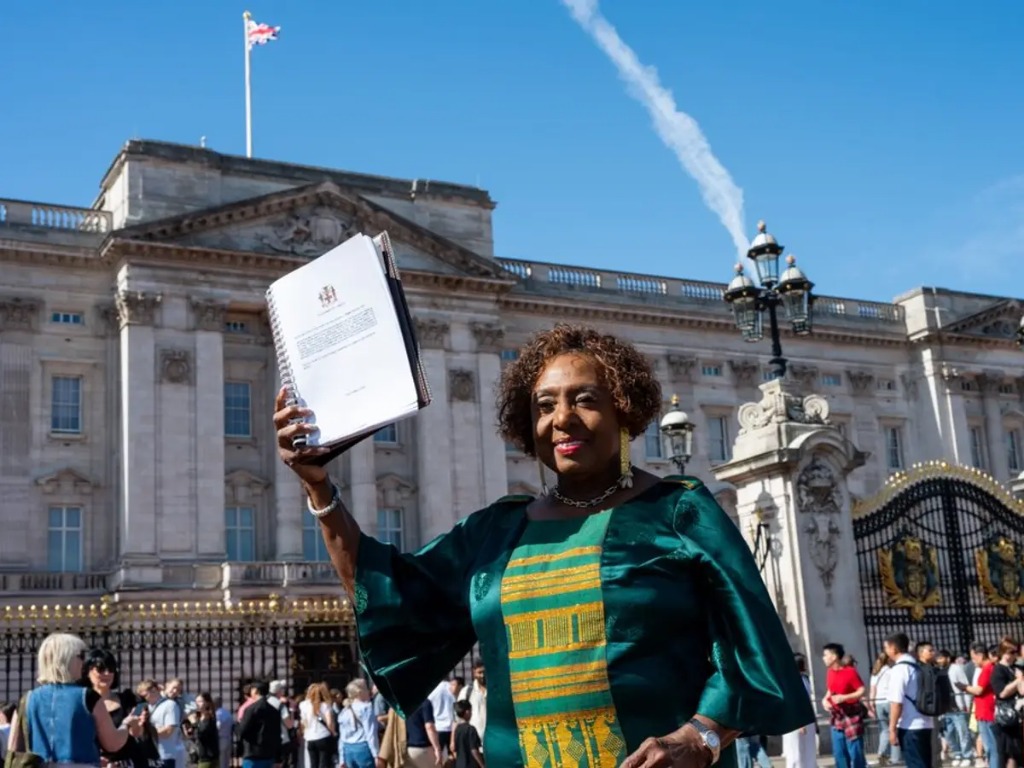
KINGSTON: The government of Jamaica, in coordination with the 15-nation Caribbean Community (CARICOM) Reparations Commission, has officially launched a historic international legal petition seeking formal reparatory justice, economic restitution, and institutional debt relief from former European colonial powers for the generational impacts of transatlantic chattel slavery.
The comprehensive legal filing—prepared by a distinguished panel of international jurists, economic historians, and human rights advocates—was presented at the National Heroes Park in Kingston and formally submitted to the United Nations Human Rights Council and the Permanent Court of Arbitration in The Hague.
The petition asserts that centuries of forced labor, systemic human subjugation, and uncompensated resource extraction between the 16th and 19th centuries laid the foundational wealth of European industrial economies while entrenching structural underdevelopment, fiscal debt burdens, and healthcare vulnerabilities across Caribbean societies.
The Economic and Legal Architecture of the Claim
The Jamaican legal submission presents an exhaustive quantitative accounting of colonial economic extraction. Drawing from declassified colonial trade registries and Bank of England archives, economists on the commission calculate the modern-day value of uncompensated labor extracted from hundreds of thousands of enslaved Africans in Jamaica at over $30 billion.
The filing specifically highlights the historical injustice of the 1833 Slavery Abolition Act, wherein the British government paid £20 million (equivalent to approximately £20 billion today) in financial compensation to former slave owners for the loss of their "property," while formerly enslaved people received zero compensation, land allocations, or civil restitution.
Jamaican legal scholars argue that this statutory compensation established a legal precedent acknowledging financial liability for the institution of slavery, forming a valid jurisprudence for modern reparative settlements.
CARICOM’s 10-Point Plan for Reparatory Justice
The petition aligns directly with CARICOM’s established 10-Point Reparations Agenda, which outlines structured avenues for international reconciliation:
- Formal Unconditional State Apologies: Demanding explicit apologies acknowledging state responsibility for crimes against humanity, beyond non-binding expressions of regret.
- Sovereign Debt Cancellation: Direct restructuring and forgiveness of high-interest sovereign debt burdens that severely restrict Caribbean public investments in education and healthcare.
- Caribbean Cultural Heritage Restitution: The return of sacred artifacts, historic archives, and cultural relics currently held in European museum collections.
- Development Funds for Public Infrastructure: Direct funding for specialized regional hospitals, technical universities, and climate-resilience seawall infrastructure.
- Eradication of Illiteracy and Health Inequities: Joint investments in literacy programs and specialized medical research targeting high rates of hypertension and diabetes linked to historical dietary dislocation.
Growing Global Momentum and International Repercussions
Jamaica’s legal move comes amid rising global dialogue surrounding post-colonial accountability, with African Union nations, civic institutions, and religious organizations increasingly endorsing formal reparations frameworks.
While European governments have historically resisted direct cash reparations, Jamaican officials noted that international legal proceedings aim to establish binding diplomatic negotiation tables to agree on structured developmental and educational partnerships.
The legal challenge represents a watershed moment for Caribbean self-determination, transforming centuries of moral argument into a rigorous, internationally recognized legal campaign for historical accountability and enduring justice.
Reader Conversation
You must be logged in to post a comment.