Bolivia Faces Economic Crisis Under Rodrigo Paz Government

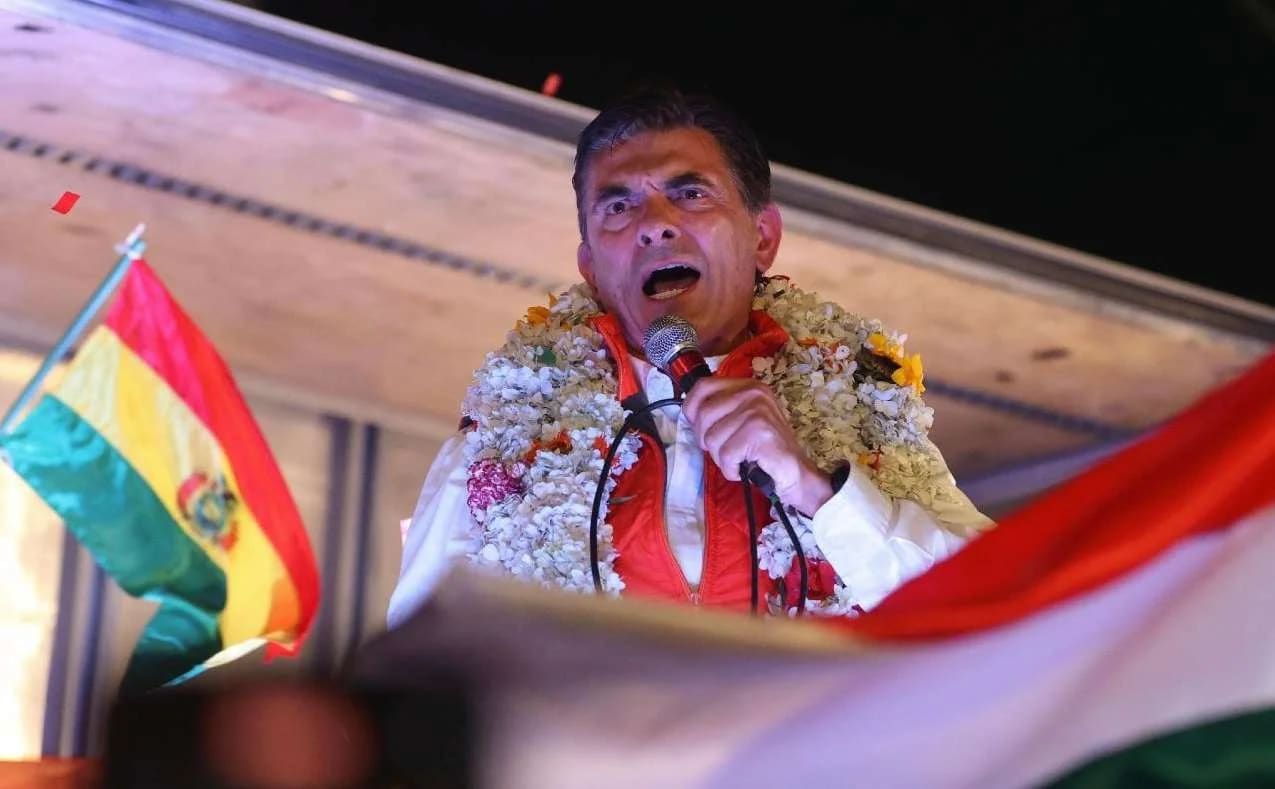
La Paz: Bolivia faces in 2026 one of its most serious economic crises in decades under President Rodrigo Paz, who assumed office following the turbulent political period of 2025. The shortage of dollars, the fall of international reserves to historic lows of just 1.8 billion dollars, inflation exceeding 8%, and the contraction of natural gas production configure a picture of economic emergency.
Bolivia was, during the first decade of the 2000s under Evo Morales's government, a model of macroeconomic stability in the region: low fiscal deficits, ample international reserves, and strong growth driven by natural gas exports to Brazil and Argentina. That cycle ended with the depletion of gas fields and the fall of international commodity prices.
The Gas Crisis
Bolivia's natural gas production fell from a peak of 60 million cubic meters per day in 2015 to less than 30 million in 2025, drastically reducing fiscal revenues and exports. Export contracts to Brazil were renegotiated downward, and Argentina has reduced its imports by developing its own Vaca Muerta field.
The Paz government has launched an austerity plan and is seeking to negotiate a program with the IMF that would allow access to emergency financing. It is also exploring the possibility of attracting private investment for the development of lithium in the Salar de Uyuni, which could become the country's economic engine in the medium term if technical and political obstacles are resolved.
Social Tensions
The economic crisis exacerbates social tensions. Sectors linked to Masismo, Evo Morales's political movement, have called protests against adjustment measures. The political polarization between the Paz government and Evismo makes it difficult to build the consensus needed to pull the country out of the crisis.

Reader Conversation
You must be logged in to post a comment.