Brazil Faces Economic Pressures Ahead of October Elections

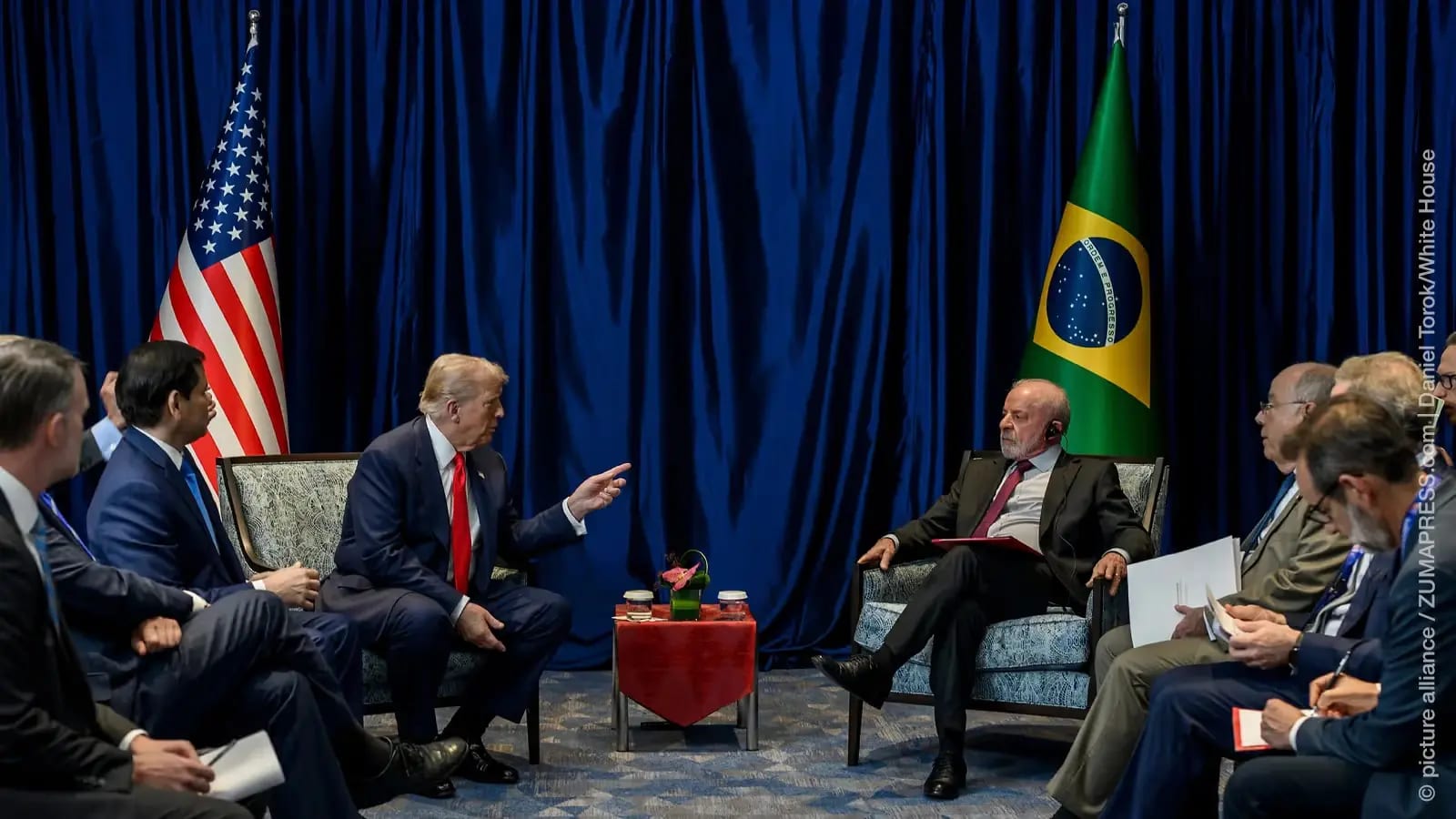
Brasilia: Brazil is heading toward its October 4, 2026 presidential elections amid growing economic pressures and trade frictions with the Trump administration, which imposed 50% tariffs on Brazilian exports — the highest in South America — and has maintained diplomatic tensions with the Lula government over the conviction of former President Jair Bolsonaro, an ally of the US president.
Brazil's BVSP stock index has gained 21.7% since the start of 2026, partly thanks to the reorientation of international capital from developed to emerging markets. However, the real economy shows mixed signals: the Brazilian central bank — which in 2025 projected rate cuts — has revised its expectations upward amid inflationary pressures from the Iran conflict. The IMF projects limited growth for Brazil, constrained by "tight domestic financial conditions, limited fiscal space, and trade policy uncertainty."
The Presidential Race: Lula vs. Flávio Bolsonaro
President Luiz Inácio Lula da Silva, who will turn 81 on the eve of the first electoral round, seeks a fourth presidential term. His main rival is Flávio Bolsonaro, son of former President Jair Bolsonaro, seeking to avenge his father's defeat. The contest is shaping up as one of the most polarized in recent Brazilian history. Former President Jair Bolsonaro, convicted by a court, is barred from running for office. Trump's stance in defense of Bolsonaro has been a source of diplomatic tension with the Lula government.
The Impact of Trump's Tariffs
The US Supreme Court is reviewing the legality of tariffs based on the International Emergency Economic Powers Act (IEEPA) that Trump used to impose the 50% levy on Brazil. A ruling against it could invalidate the tariffs, which would improve Brazil's economic outlook.

Reader Conversation
You must be logged in to post a comment.