Brazil Supreme Court and Electoral Tribunal Launch Anti-Disinformation War Room as Lula and Bolsonaro Enter Tense Second Round Campaign Phase

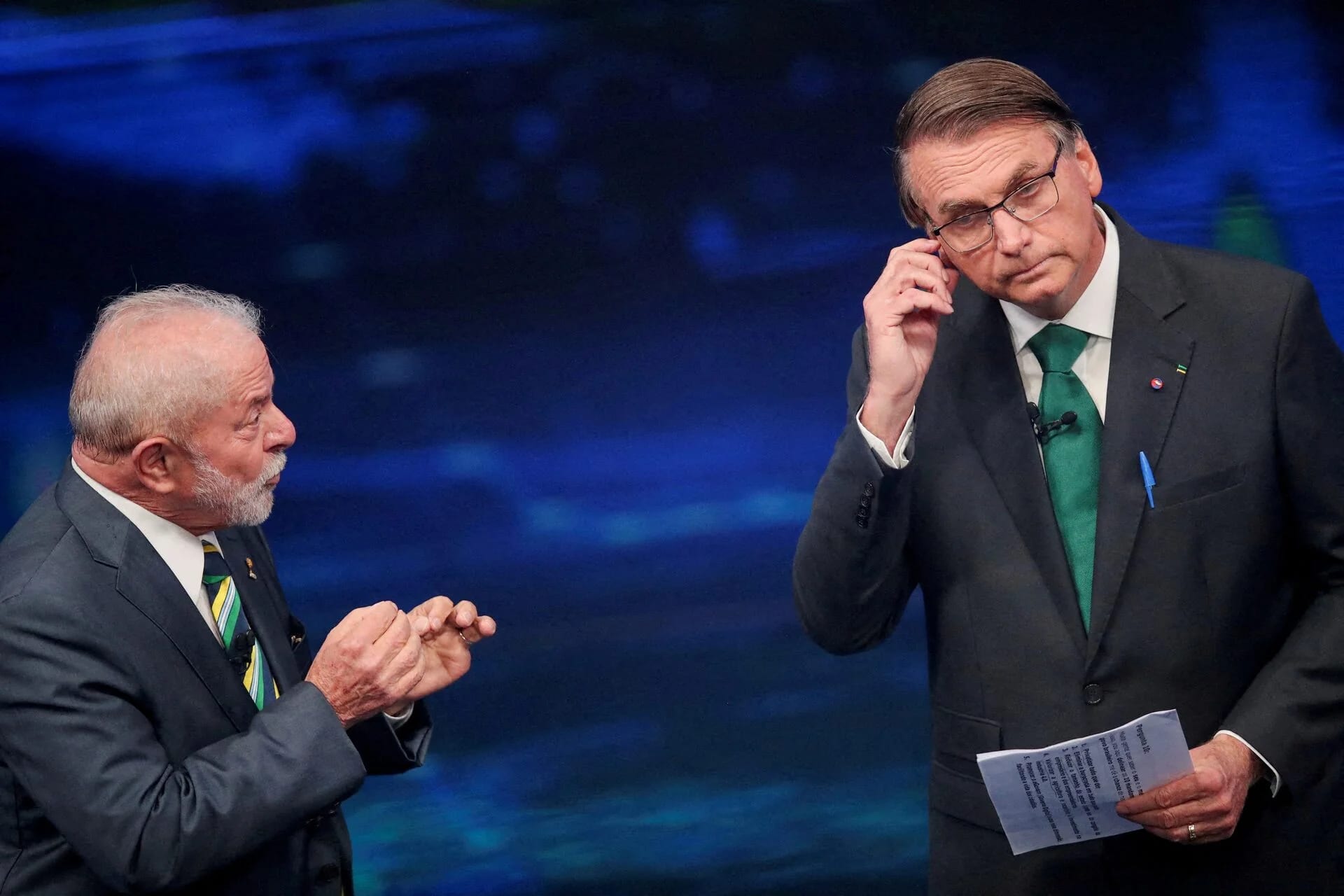
BRASÍLIA — The Federal Supreme Court (STF) and the Superior Electoral Court (TSE) of Brazil inaugurated a permanent, round-the-clock digital monitoring center in Brasília on Sunday morning, assembling federal prosecutors, intelligence analysts, and computational forensic specialists to neutralize synthetic media, hyper-targeted disinformation campaigns, and automated voter suppression operations ahead of the October 25 presidential runoff election.
The coordinated security deployment follows a sudden surge of algorithmic manipulation detected across encrypted messaging channels and video-sharing platforms over the weekend, as incumbent President Luiz Inácio Lula da Silva and conservative challenger Senator Flávio Bolsonaro took to the campaign trail in the pivotal industrial belt of Greater São Paulo and the conservative farming municipalities of western Paraná.
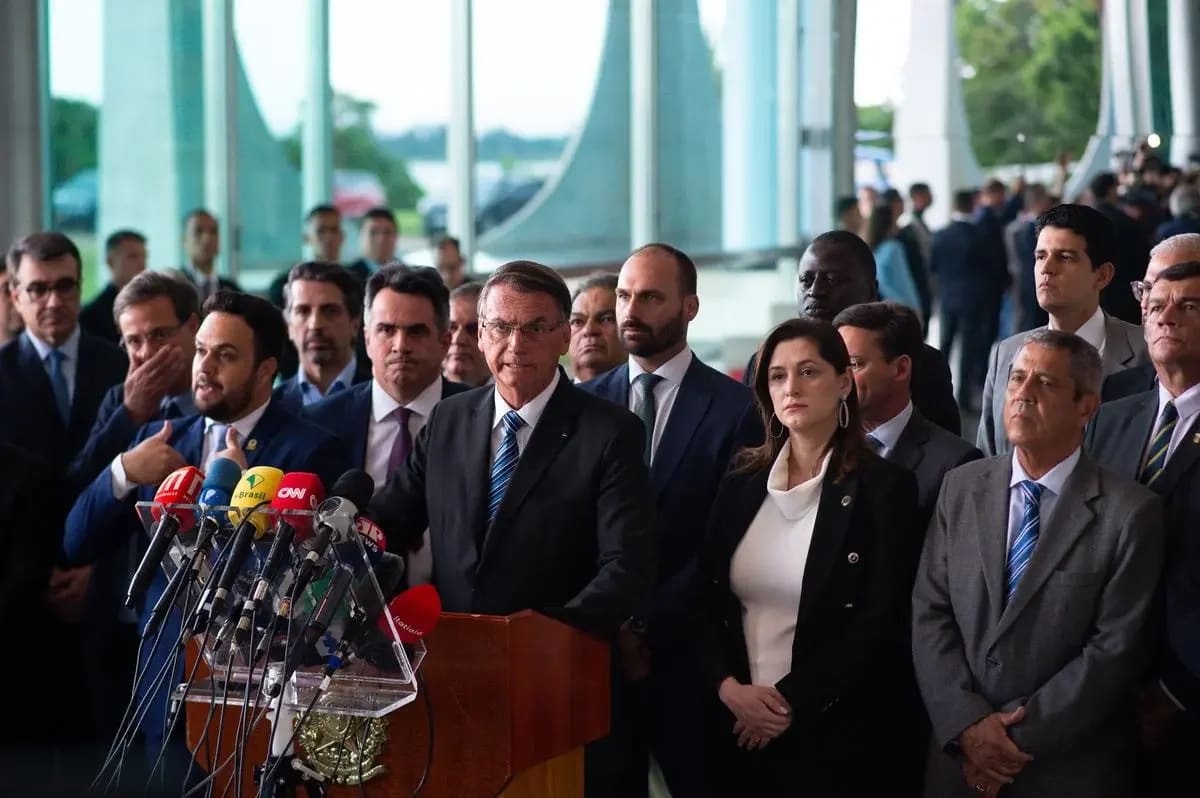
Speaking from the TSE headquarters alongside regional electoral judges, Chief Justice Luís Roberto Barroso underscored that electoral authorities will exercise immediate injunctive powers against organized disinformation networks. Under emergency protocols ratified this week, social media platforms and content delivery networks must take down verified deepfakes, synthetic voice impersonations, and fabricated polling figures within one hour of notification or face escalating daily fines and regional service suspensions.
On the political front, the two remaining candidates escalated their rhetoric during competing mass mobilizations. President Lula delivered a passionate address in São Bernardo do Campo before tens of thousands of auto workers, unveiling an expanded public investment agenda centered on industrial re-shoring, minimum wage purchasing power guarantees, and federal subsidized mortgage lines aimed at working-class families strained by global inflationary pressures.
Simultaneously, Senator Bolsonaro held a high-profile motorcade and rally in Curitiba alongside prominent southern governors and agribusiness leaders, promising wholesale regulatory deregulation, immediate tax exemptions for agricultural exporters, and a sweeping constitutional overhaul of federal public security mandates to empower militarized state police forces.
Political strategists and independent pollsters noted that with less than two weeks before 156 million eligible Brazilians head to the electronic voting urns, the race remains historically tight, with voter turnout in the bellwether swing states of Minas Gerais and Rio de Janeiro expected to determine the definitive victor of Latin America's most consequential democratic contest.
Reader Conversation
You must be logged in to post a comment.