Latin American Fintech Grows 18% Annually Toward 2028

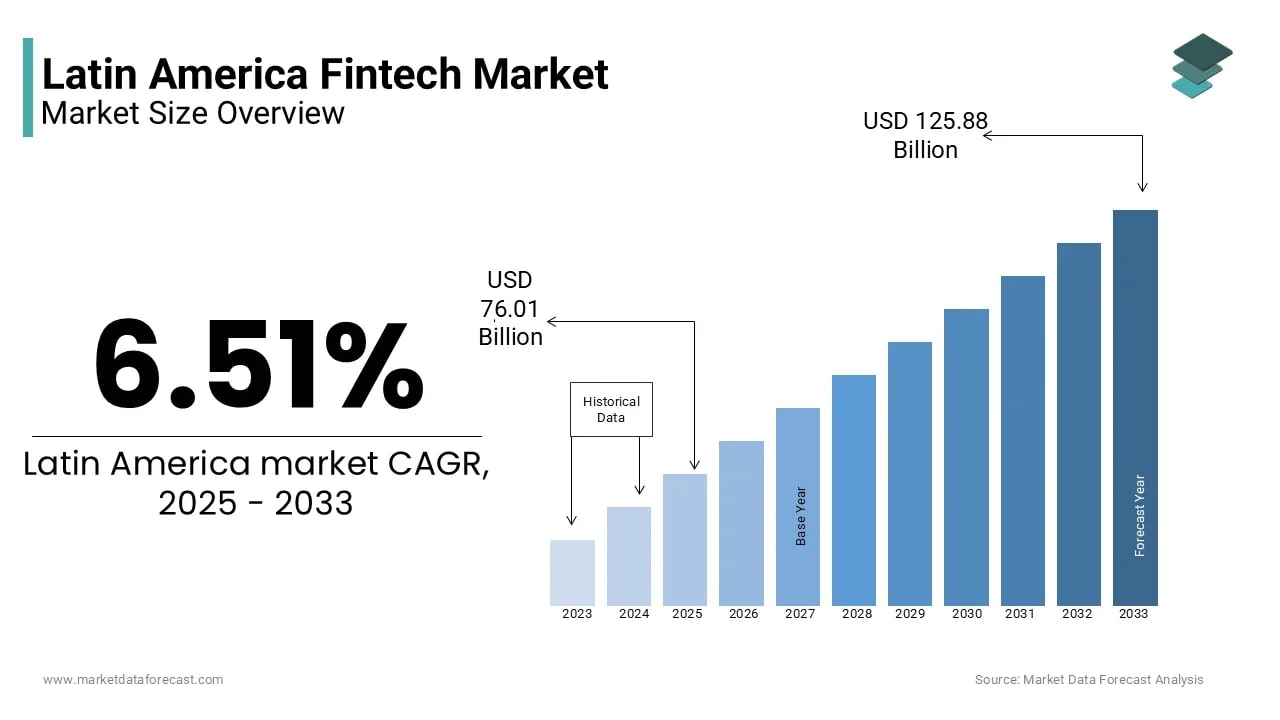
São Paulo: The Latin American fintech sector is experiencing accelerated expansion, with a compound annual growth rate of 18.4% projected for the period 2022-2028, according to an analysis by consulting firm Delasport. The region is emerging as one of the world's most dynamic markets in digital financial services, driven by high smartphone penetration, incomplete banking coverage, and growing adoption of digital payments.
Brazil is by far the largest market, representing 38.8% of the region's total in digital sports betting and fintech services. Mexico follows with 20.7%, Argentina with 13.2%, and the remaining Latin American countries share the remaining 27.3%. Colombia and Chile are emerging as fast-growing markets thanks to favorable regulatory reforms.
Growth Factors
The adoption of artificial intelligence is transforming the sector. In 2026, platforms like Nubank, Mercado Pago, Clip, and Kushki integrate AI models for service personalization, fraud detection, and alternative credit analysis. AI is no longer a competitive advantage but an operational obligation for platforms that want to survive in an increasingly competitive market.
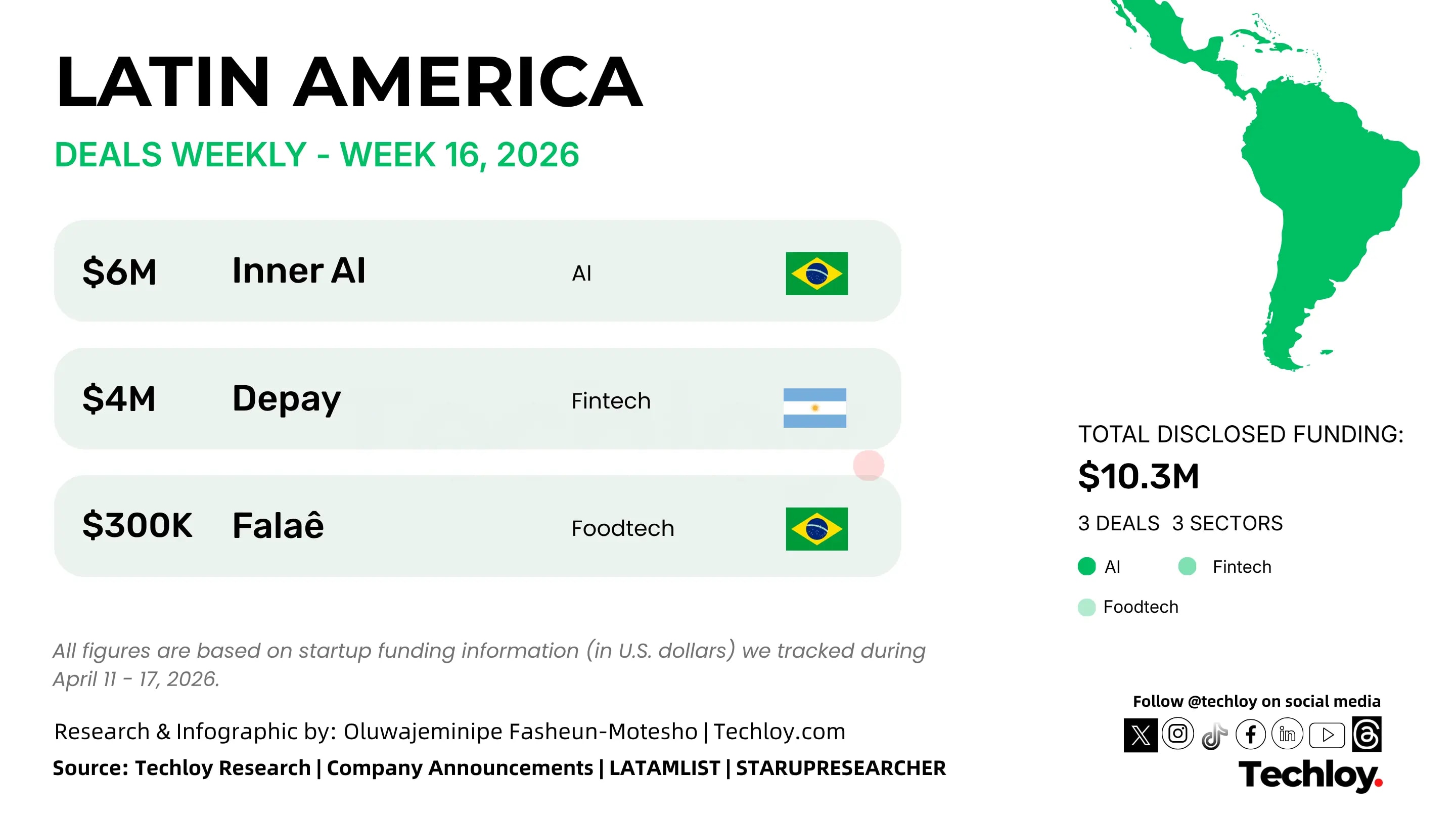
Venture capital has stabilized after the excesses of 2021-2022, concentrating on startups with positive unit economics and sustainable business models. Investors prioritize platforms that combine financial services with logistics, insurance, or data, seeking to increase customer lifetime value and reduce the marginal cost of service through AI.
Sector Challenges
Regulatory fragmentation remains the main obstacle. Each country has different frameworks for digital banking, crypto assets, and cross-border payments, complicating the regional expansion of platforms. Cybersecurity also represents a growing challenge, with a 45% increase in attacks on digital financial platforms in 2025 compared to the previous year.


Reader Conversation
You must be logged in to post a comment.