Panama Leads Port Infrastructure Investment in the Region

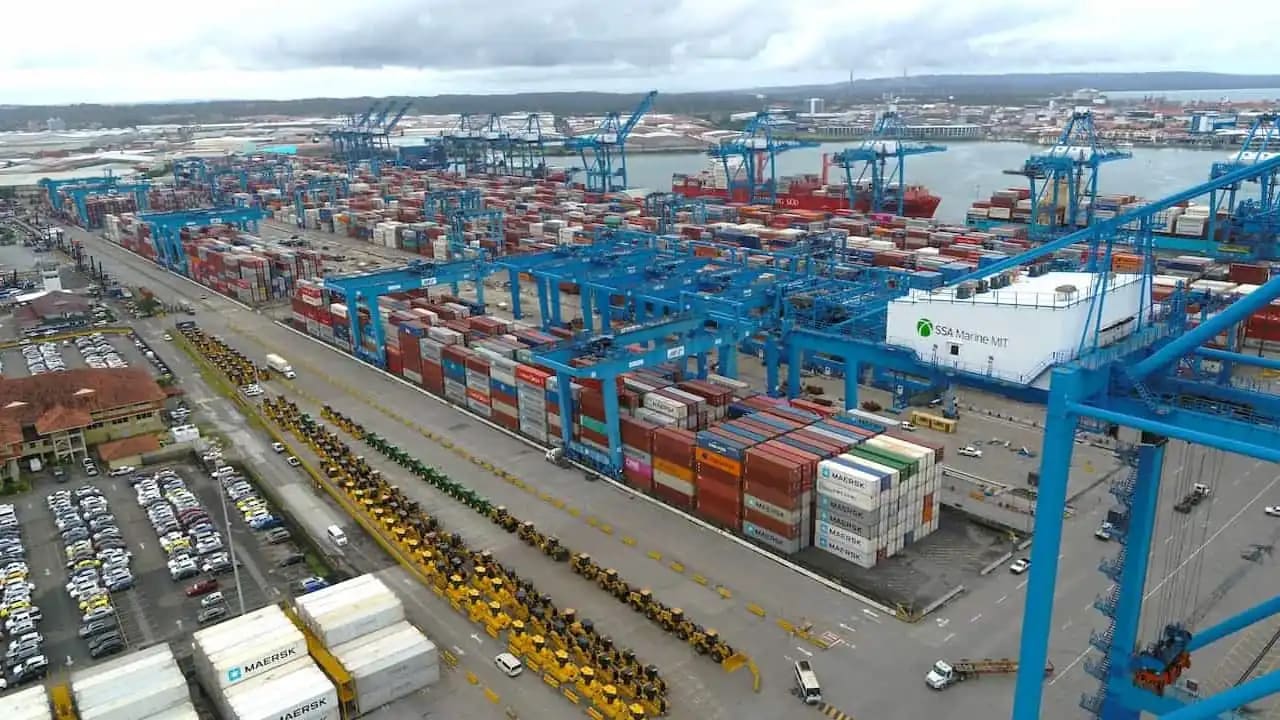
Panama City: Panama consolidates its position as Central America's main logistics and port hub, with an investment of 3.2 billion dollars in port infrastructure expansion and modernization planned for the 2026-2030 period. The Panama Canal Authority announced in February the opening of a new bid for the concession of a fourth container terminal on the Atlantic side, which would increase the complex's total capacity by 30%.
The expansion comes at a time of growing global demand for alternative maritime routes. The conflict in the Middle East and its impact on traffic through the Suez Canal have redirected some maritime traffic toward Atlantic-Pacific routes, benefiting the Panama Canal. In 2025, the canal processed a record 504 million long tons of cargo, with toll revenues of 4.2 billion dollars.
Competition with Colón and Balboa
The ports of Colón on the Atlantic and Balboa on the Pacific, which flank the canal, are managed by private operators and compete directly with terminals in Colombia, Jamaica, and Mexico for transshipment traffic. The improvement of Panamanian infrastructure reinforces its competitive advantage, although the decrease in Gatún Lake levels due to climate change is a medium-term threat that authorities monitor with concern.
The water challenge is particularly worrying: in 2023, a severe drought forced the canal to impose draft restrictions that affected hundreds of ships and cost tens of millions of dollars in additional costs for shipowners. The Canal Authority is studying the construction of new reservoirs and the use of water-saving technologies in the locks.
Regional Impact
Panama's port expansion has effects throughout the region. Panamanian logistics services generate employment for workers from Costa Rica, Colombia, and other neighboring countries. Panama City consolidates its position as Central America's main business and financial center, attracting regional headquarters of multinational companies.



Reader Conversation
You must be logged in to post a comment.