Andean Indigenous Cinema and Literary Renaissance Capture Global Acclaim at International Film and Book Festivals
LIMA: A vibrant cultural renaissance led by contemporary indigenous filmmakers, poets, and visual artists from the Andean region is capturing widespread international acclaim, redefining Latin American artistic expression on the world’s most prestigious cultural stages.
From major European film festivals in San Sebastián and Venice to international book fairs in Guadalajara and Bogotá, works produced in native Quechua, Aymara, and Mapuzugun languages are breaking box office records and securing top critical distinctions.
Cultural critics describe the current wave as a transformative shift away from folkloric exoticism toward complex, auteur-driven narratives exploring contemporary social struggles, memory, ecological kinship, and urban migration.
Cinematic Triumphs and Multilingual Storytelling
In Lima and La Paz, new independent cinema collectives are leveraging decentralized funding and digital streaming distribution to reach global audiences without compromising cultural authenticity.
The internationally celebrated Quechua-language drama *Yaku Pachamama* (Water and Earth), directed by Cusco-born filmmaker Maywa Quispe, recently secured the Jury Prize at San Sebastián, hailed for its breathtaking cinematography in high-altitude Andean communities.
"Our ancestral languages hold sophisticated cosmologies, philosophies of balance, and poetic depth that the global cinematic world is finally embracing with the respect they deserve," Quispe stated during a masterclass at the National University of San Marcos.
Key Trends in the Andean Cultural Movement
Scholars and cultural curators highlight three defining pillars of the movement:
- Bilingual Literary Publishing: Rapid growth of independent presses publishing dual-language Quechua-Spanish and Aymara-Spanish poetry and speculative fiction anthologies.
- Digital Audio & Oral History Archives: Youth-led community projects digitizing ancestral oral storytelling and traditional music for educational podcasts.
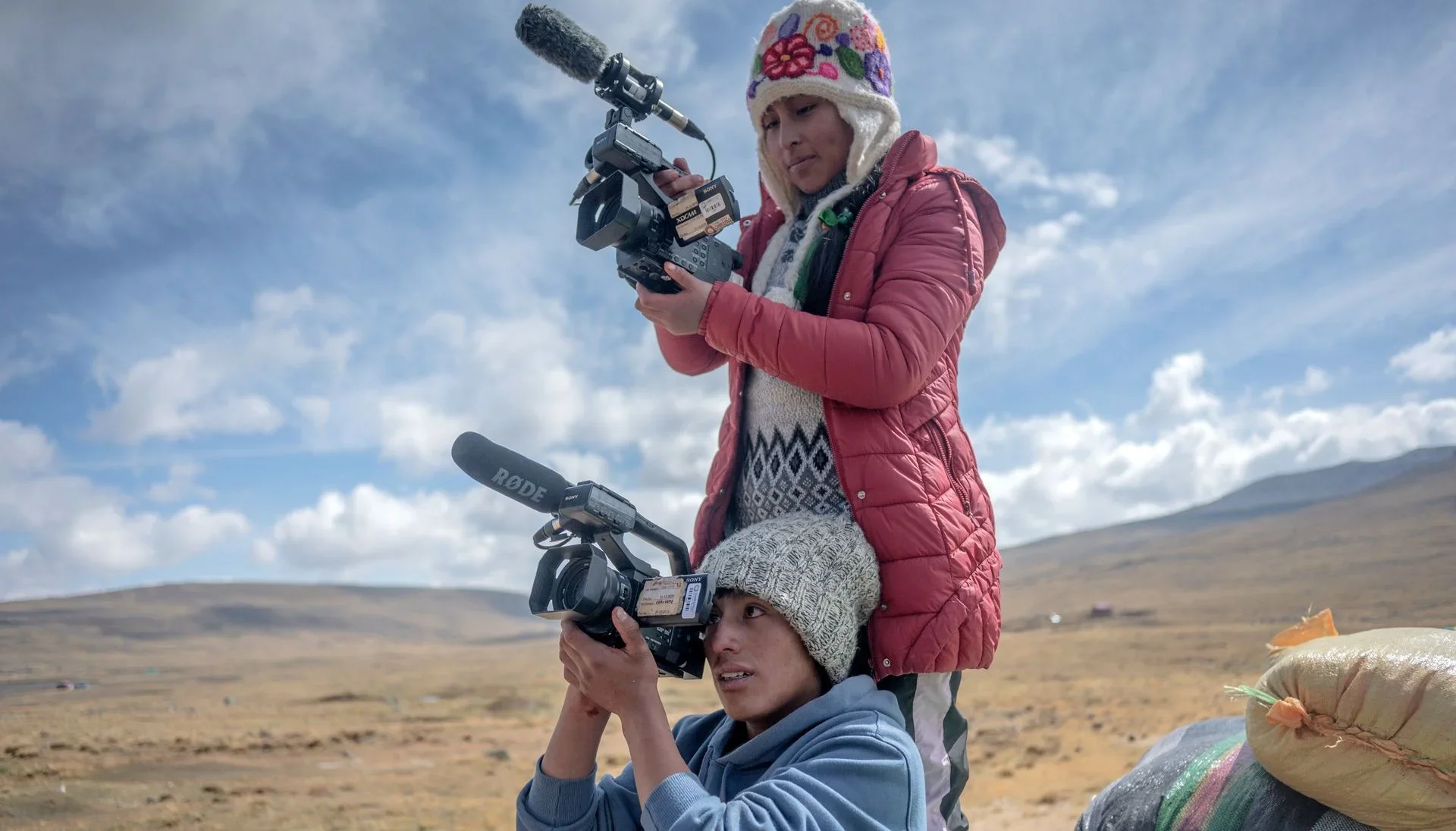
- Indigenous Film Labs & Training: Creation of community-rooted audiovisual workshops training young indigenous creators in cinematography, sound design, and screenwriting.
Preserving Heritage for Future Generations
Cultural ministries across Peru, Bolivia, and Ecuador pledged expanded grants and digital preservation funding to ensure indigenous linguistic heritage continues to thrive in education, cinema, and global literature.
Reader Conversation
You must be logged in to post a comment.