Brazil Heads to Polarized Presidential Runoff as Flávio Bolsonaro Leads First Round Over Incumbent Lula da Silva

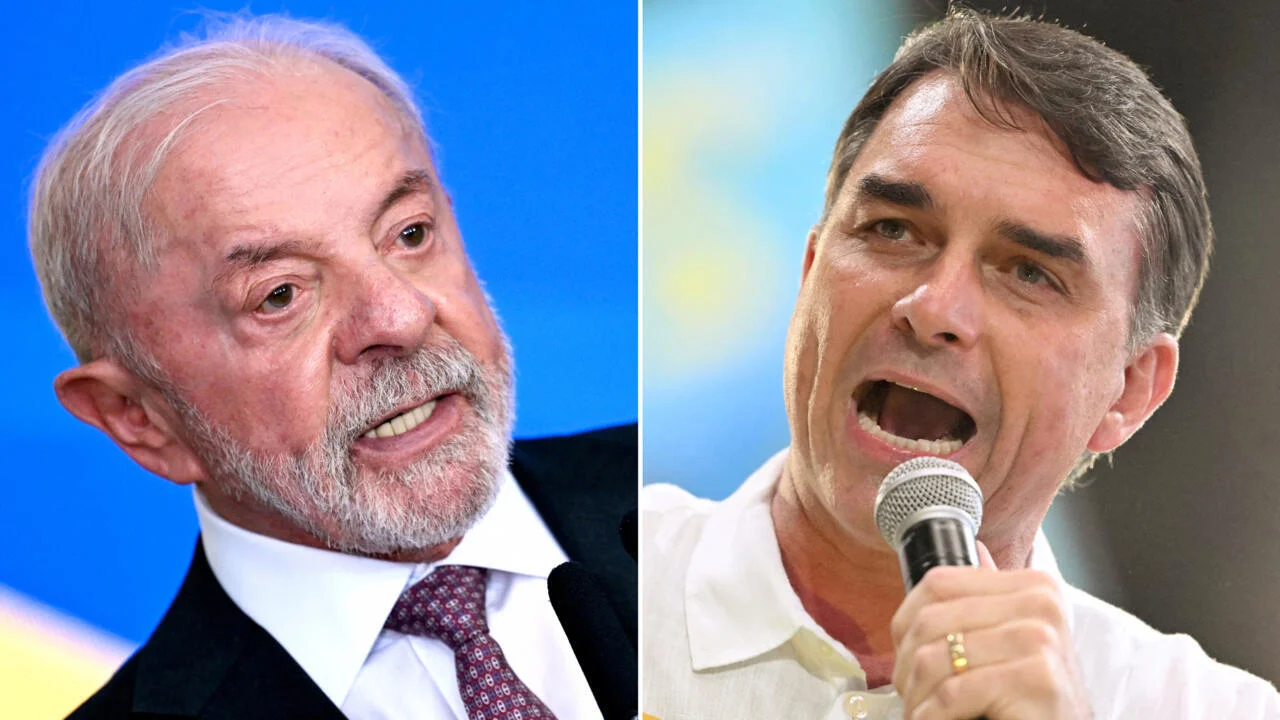
BRASÍLIA: Brazil’s presidential election is advancing to a high-voltage second-round runoff after official election returns confirmed that conservative Senator Flávio Bolsonaro secured a narrow first-round lead over incumbent President Luiz Inácio Lula da Silva, defying mainstream polling predictions in Latin America’s largest democracy.
With more than 99.9 percent of electronic voting tallies verified by the Superior Electoral Court (TSE), Senator Bolsonaro captured 47.1 percent of valid votes compared to 45.3 percent for President Lula. Because neither candidate surpassed the 50 percent threshold required for an outright victory, the two ideological rivals will face off in a decisive runoff vote on Sunday, October 25.
The result marks a powerful resurgence for Brazil’s conservative movement, propelled by sweeping victories in congressional races across the country and dominant pluralities across the industrialized southeast, center-west agricultural hubs, and southern states.
The Scramble for Centrist Endorsements and Swing States
Both campaigns commenced aggressive campaign outreach on Monday, targeting third-place voters who supported center-right and environmental candidates who gathered roughly 7.6 percent of the national tally.
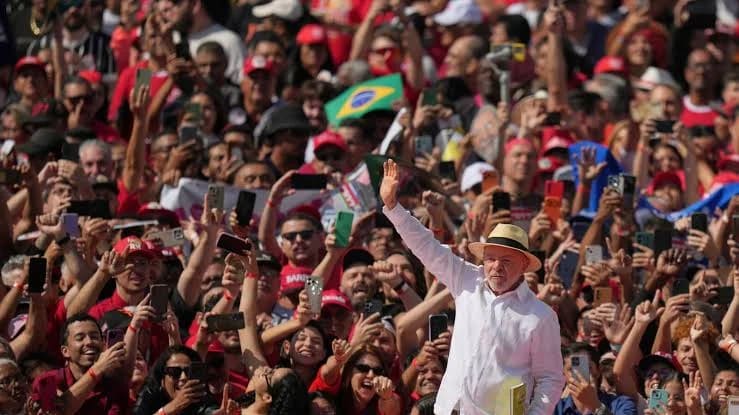
President Lula, addressing a massive rally of supporters in São Paulo, called for a broad democratic united front, emphasizing his administration's social welfare achievements, poverty reduction initiatives, and aggressive anti-deforestation measures across the Amazon basin.
"The second round is a new election entirely," Lula declared. "We will converse with every democratic sector to defend social justice, public education, workers' purchasing power, and Brazil's environmental leadership on the world stage."
Bolsonaro Camp Builds on Congressional Momentum
In Brasília, Flávio Bolsonaro and allied governors emphasized a pro-market platform centered on regulatory simplification, fiscal discipline, privatization of state assets, and zero-tolerance nationwide policing against organized crime.
"The Brazilian people have sent an unmistakable message that they reject high public spending, excessive state taxation, and bureaucratic intervention," Bolsonaro stated during a press briefing alongside newly elected federal deputies.
Key Factors Shaping the October 25 Vote
Political scientists and election observers highlight three decisive elements defining the runoff:
- The Battle for Minas Gerais: Historically Brazil's ultimate bellwether state, Minas Gerais saw an extraordinarily close first-round finish and will be the central focus of candidate travel.
- Turnout and Abstention Dynamics: Over 20 million electors abstained in round one; mobilizing low-income and youth voters represents a core operational objective.
- Televised Debates & Direct Media Parity: Both candidates will receive equal daily television and radio broadcast allocations under federal electoral law.
Security and Judicial Oversight
The Superior Electoral Court reiterated that international observer missions verified the flawless technological operation of Brazil’s electronic ballot boxes, confirming that security and digital integrity protocols will remain heightened through election day.
Reader Conversation
You must be logged in to post a comment.