United States Revokes Visas of 27 High-Ranking Judicial and Political Officials Across South America Amid Anti-Corruption Drive

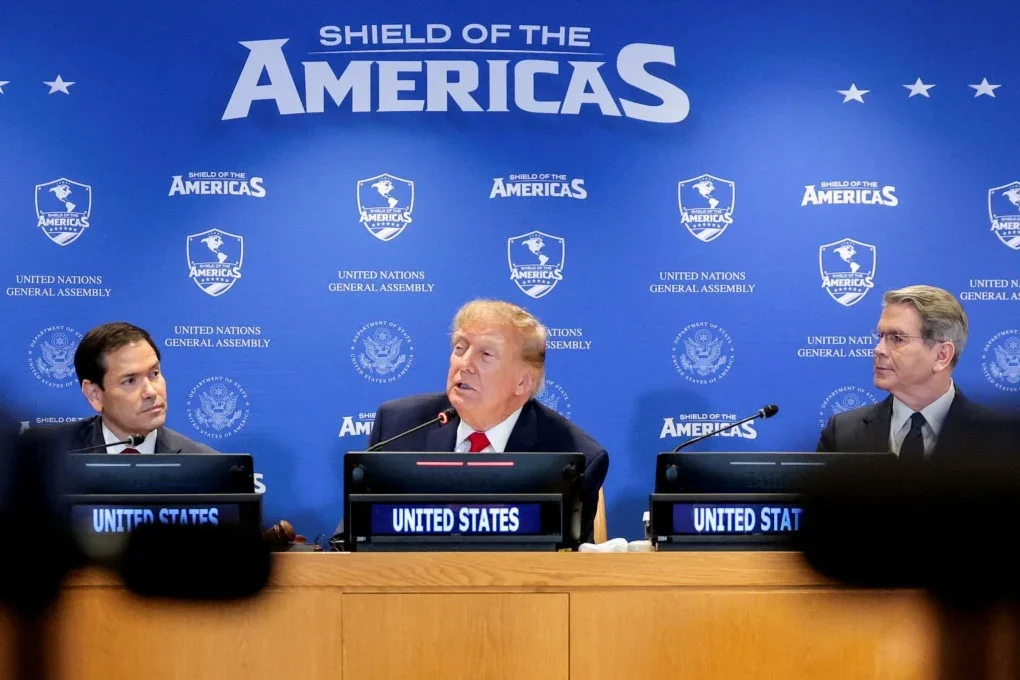
WASHINGTON: The United States Department of State announced the revocation of entry visas for 27 high-ranking government officials, judicial figures, and their immediate family members across Bolivia, Colombia, Ecuador, and Peru, citing credible evidence of significant corruption, bribery, and complicity with transnational narcotics syndicates.
The sweeping diplomatic sanctions, enacted under Section 7031(c) of the Department of State, Foreign Operations, and Related Programs Appropriations Act, mark one of the most extensive anti-corruption enforcement actions executed in South America this year.
Among the prominent individuals designated in the official release is the sitting Attorney General of Bolivia, alongside several appellate court judges and former provincial governors from neighboring Andean nations accused of obstructing criminal investigations into cross-border money laundering.
Diplomatic Fallback and Legal Basis for the Designations
According to State Department briefings, the designations follow multi-year joint intelligence reviews conducted in coordination with regional financial intelligence units and anti-narcotics task forces.
"Corrupt judicial and political actors who undermine the rule of law and shield transnational criminal enterprises will find no safe haven or financial refuge in the United States," State Department spokesperson Matthew Miller affirmed during a press briefing in Washington.
In La Paz and Lima, legal representatives for designated officials denied wrongdoing, with Bolivian parliamentary leaders describing the unilateral sanctions as extraterritorial diplomatic pressure. However, civil society watchdogs and transparency advocates across the region praised the international accountability measures.
Key Implications for Regional Governance and Justice Reform
Legal scholars and political analysts across Latin America point to several significant repercussions arising from the diplomatic sanctions:
- Judicial Vetting & Domestic Inquiries: In Ecuador and Colombia, justice ministries face mounting public pressure to initiate independent internal audits of court rulings issued by the sanctioned magistrates.
- Financial Asset Scrutiny: The visa bans are expected to trigger parallel scrutiny from international banking networks and anti-money laundering compliance bodies.
- Bilateral Cooperation on Security: The enforcement highlights Washington’s recalibrated strategy linking bilateral security assistance directly to demonstrable judicial independence.
Next Steps in International Anti-Corruption Cooperation
The State Department indicated that additional tranches of visa restrictions and targeted sanctions under the Global Magnitsky Act remain under active review as multilateral anti-corruption investigations expand throughout the Andean corridor.
Reader Conversation
You must be logged in to post a comment.