7.4-Magnitude Earthquake Hits Western Colombia, Killing 100

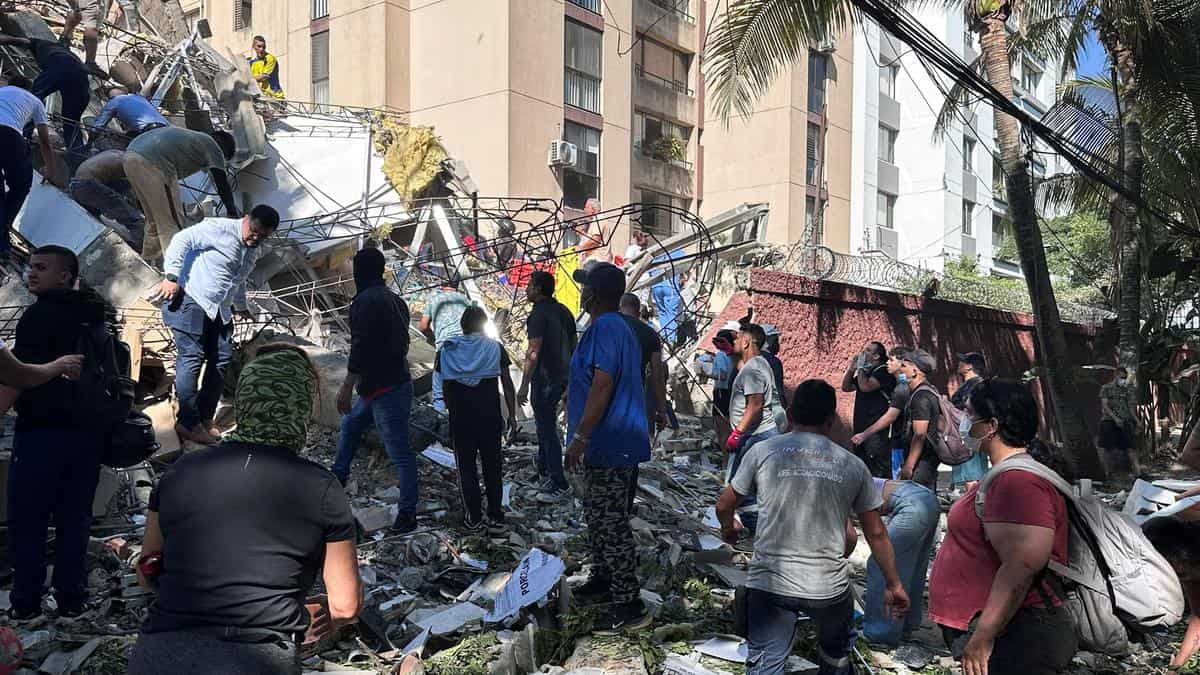
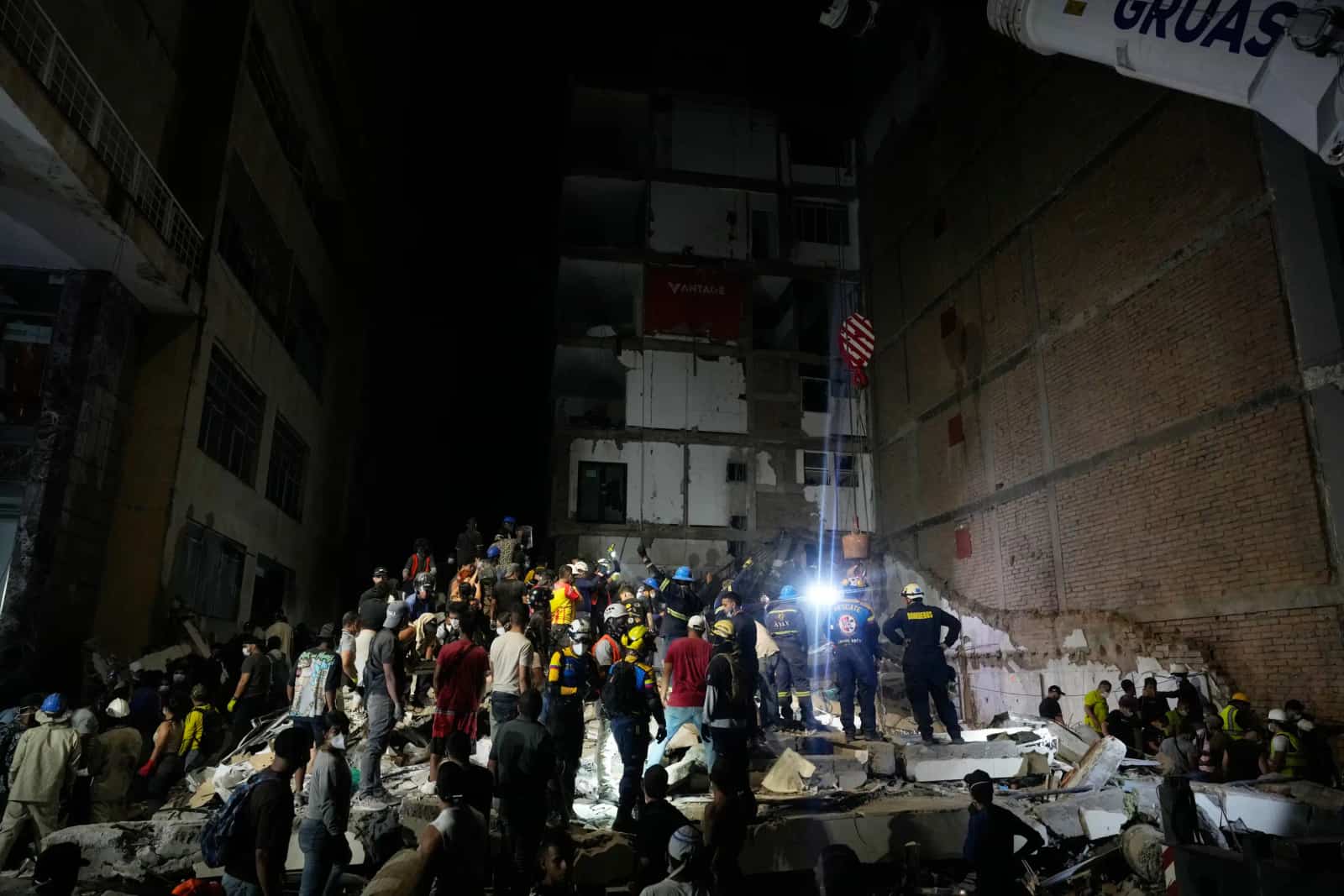
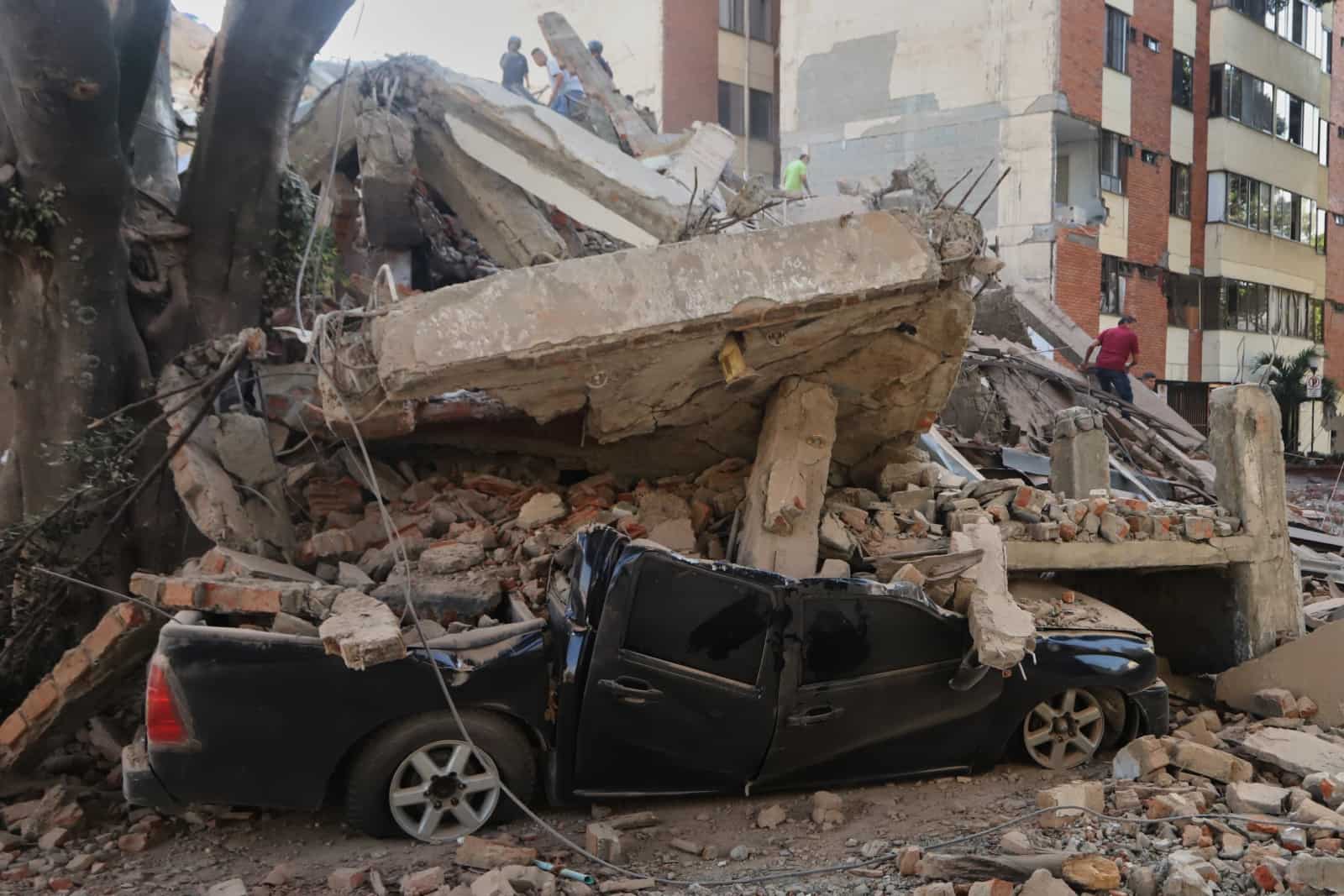
A strong earthquake, measuring 7.4 magnitude, shook western Colombia on Aug. 10, damaging some areas and rattling neighboring Ecuador. The quake toppled buildings, crippled transport networks and triggered sweeping emergency operations as authorities searched for survivors trapped in the rubble.
The tremor struck near San Jose del Palmar, some 400 kilometers (250 miles) west of Bogota in Colombia's Choco region. The quake was one of the strongest ever recorded in Colombia in the 21st century, and it had major impacts on cities such as Cali, Pereira, Quibdó and Manizales. More than 100 people were dead, hundreds injured and there was widespread structural damage, officials said. Officials went in to assess the damage and rescue teams, emergency workers and volunteers were deployed to the affected areas. The quake also shook neighboring Ecuador where residents reported strong shaking. The first quake was followed by aftershocks and governments across the region mobilized to coordinate emergency aid.
Severe Damage in Western Colombia
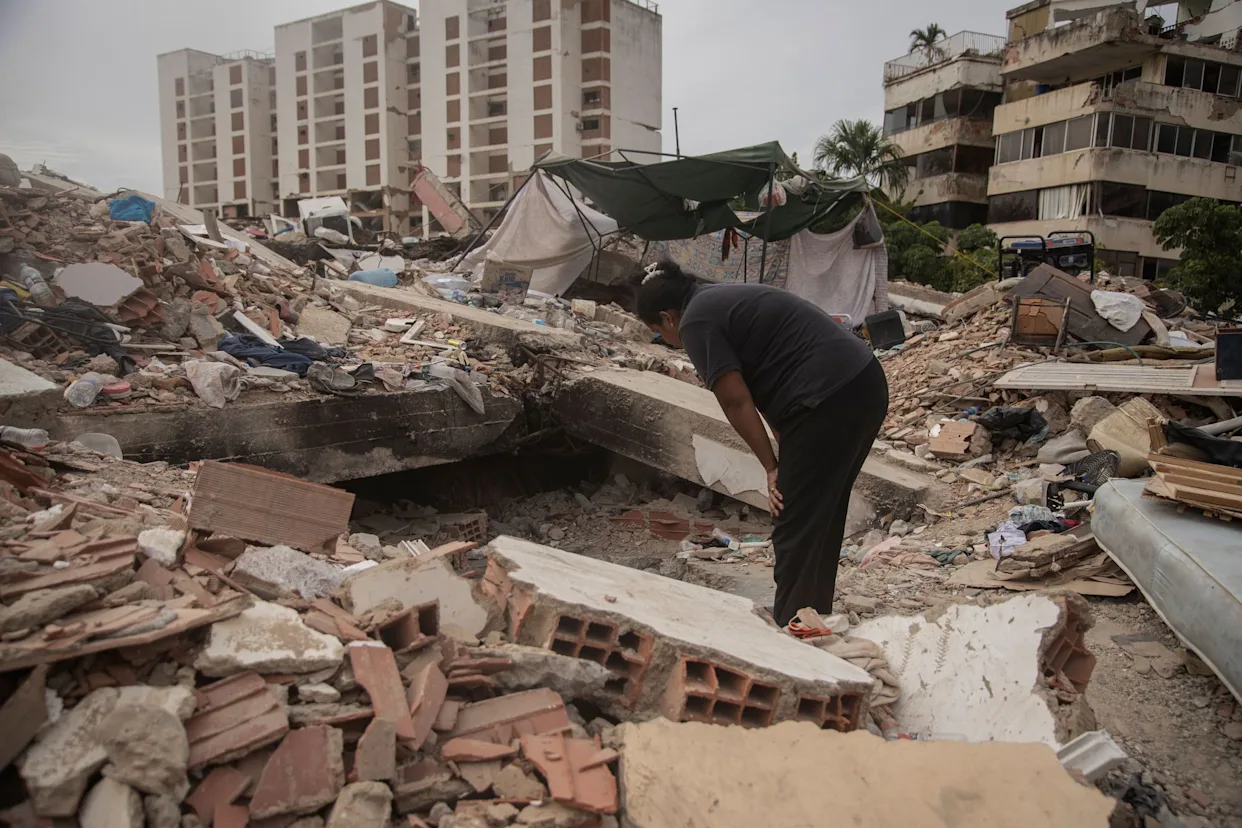
The quake shook the mountainous Chocó region, but some of the worst effects were felt in cities, causing major destruction across western Colombia. Authorities coped with the disaster as buildings were flattened, roads buckled and emergency services were stretched.
Widespread damage was reported in Cali, Colombia's third largest city with reports of buildings collapsing and many residents injured. Victims and damage to infrastructure also occurred in Pereira and Manizales from the powerful tremor.
More than 1,600 structures were damaged, including dozens that were flattened, officials said. Rescue teams used heavy equipment to search the rubble of fallen buildings for people still inside.
Local health systems were swamped and hospitals in the areas hit were deluged with large numbers of injured residents. Officials established response centers, and medical aid was provided to communities impacted by the disaster.
Transport networks also suffered. Airports in affected areas were closed temporarily for safety inspections and officials were assessing damage to roads and other critical infrastructure.
The earthquake was made worse in western Colombia by the rough landscape and isolated settlements, which also made it harder to reach the emergency. Rescue teams struggled to reach some areas, especially in the Chocó region.
Colombia Declares Emergency Rescue Effort Begins
Colombian authorities mounted a vast rescue and recovery operation after the quake, sending emergency workers to comb thru damaged buildings and assist communities struck by the disaster. President Abelardo de la Espriella declared a national emergency to expedite relief efforts and mobilize government resources.
Rescue teams have reached more remote areas but officials warned the final toll could rise as rescue workers sift thru the rubble of flattened buildings. Some communities were hard to reach because of problems with communications and bad roads.
It was one of the first major tests for de la Espriella, who was just sworn in. The government concentrated on emergency relief, medical aid and restoration of essential services in the affected areas.
Security forces were also deployed in the worst-hit areas to help with rescue operations and to maintain order. Officials ramped up emergency staffing as fears loomed of further structural collapses and supplies ran low.
Neighboring countries and global partners started to flow international assistance. The United States has pledged financial aid and other governments in the region have sent emergency supplies and technical assistance.
There was some fear of aftershocks after the main quake. Seismologists warned residents to brace for more tremors in the days after the disaster.
Shake Earthquake South America Ecuador
The quake was strongly felt and residents in neighboring Ecuador reported shaking. Officials were monitoring and looking for damage to buildings or infrastructure.
The quake struck one of South America's most active seismic zones. Ecuador and Colombia are part of the Pacific Ring of Fire, an area where many large tectonic plates come together, and earthquakes are frequent.
The tremor was felt over a wide area, with reports of tremors received from major cities far away from the epicenter. As a precaution, buildings in both countries were evacuated in the wake of the first jolt.
Emergency teams were mobilized by Ecuador’s authorities, who were monitoring reports from border areas. The government was assessing potential damage and had been in contact with Colombian officials involved in the response.
The disaster is the latest in a spate of major earthquakes to hit the Colombia-Ecuador region. The region is situated along active tectonic boundaries and has experienced destructive earthquakes in the last decades.
The latest quake underscores the challenges that remain for countries in areas of high seismic activity, experts say. Governments in the region want to build infrastructure, improve early warning systems and ensure emergency preparedness.
Strong Quake in Colombia Raises Questions on Preparedness
The 7.4-magnitude quake has revived questions about Colombia’s preparedness for earthquakes and the difficulties of protecting communities living near active fault lines. The quake struck an area where officials routinely conduct earthquake drills, but damage was widespread.
The damage shows how devastating earthquakes can be for big cities and small towns alike, experts say. In many places the building codes are so much better now, but older buildings can still be very vulnerable in a big earthquake.
It also highlighted the need for quick emergency response systems. Rescue teams were able to get to work quickly, but in some areas, challenging terrain and broken infrastructure hampered their efforts.
In the weeks ahead, officials will make detailed assessments of damaged buildings, transportation systems and public facilities. These will identify reconstruction needs and improvements for future safety.
The earthquake was one of the deadliest natural disasters to hit Colombia in recent years and has prompted a national relief effort. Western Colombian communities are searching thru the rubble for survivors, treating injured locals and beginning recovery efforts.
Officials are urging residents to remain vigilant as emergency crews continue to work in the impacted areas and aftershocks continue. We will learn the full extent of the reconstruction and the human cost of the earthquake in the days to come.
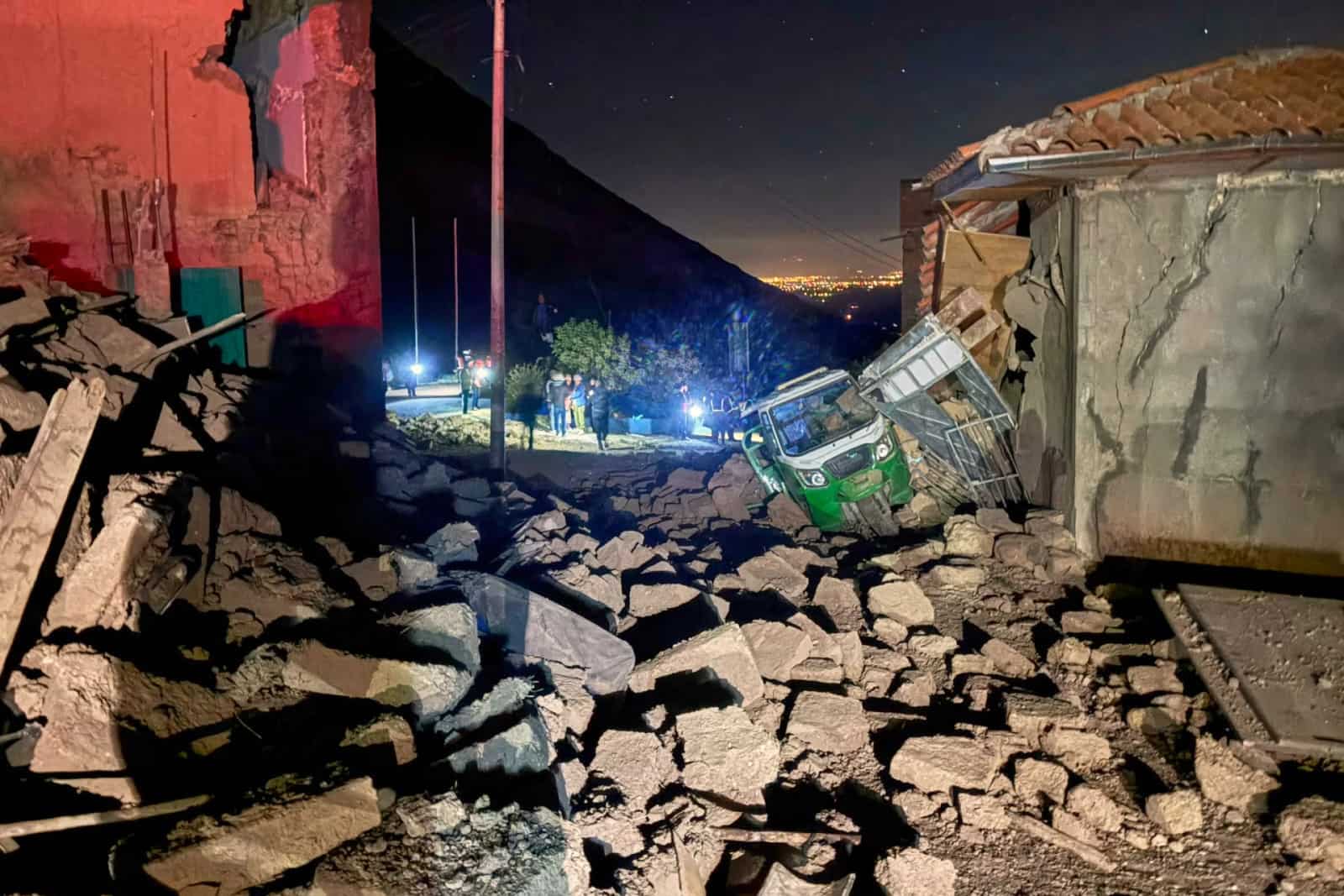
Reader Conversation
You must be logged in to post a comment.