Venezuela Earthquake Death Toll Reaches 3,685

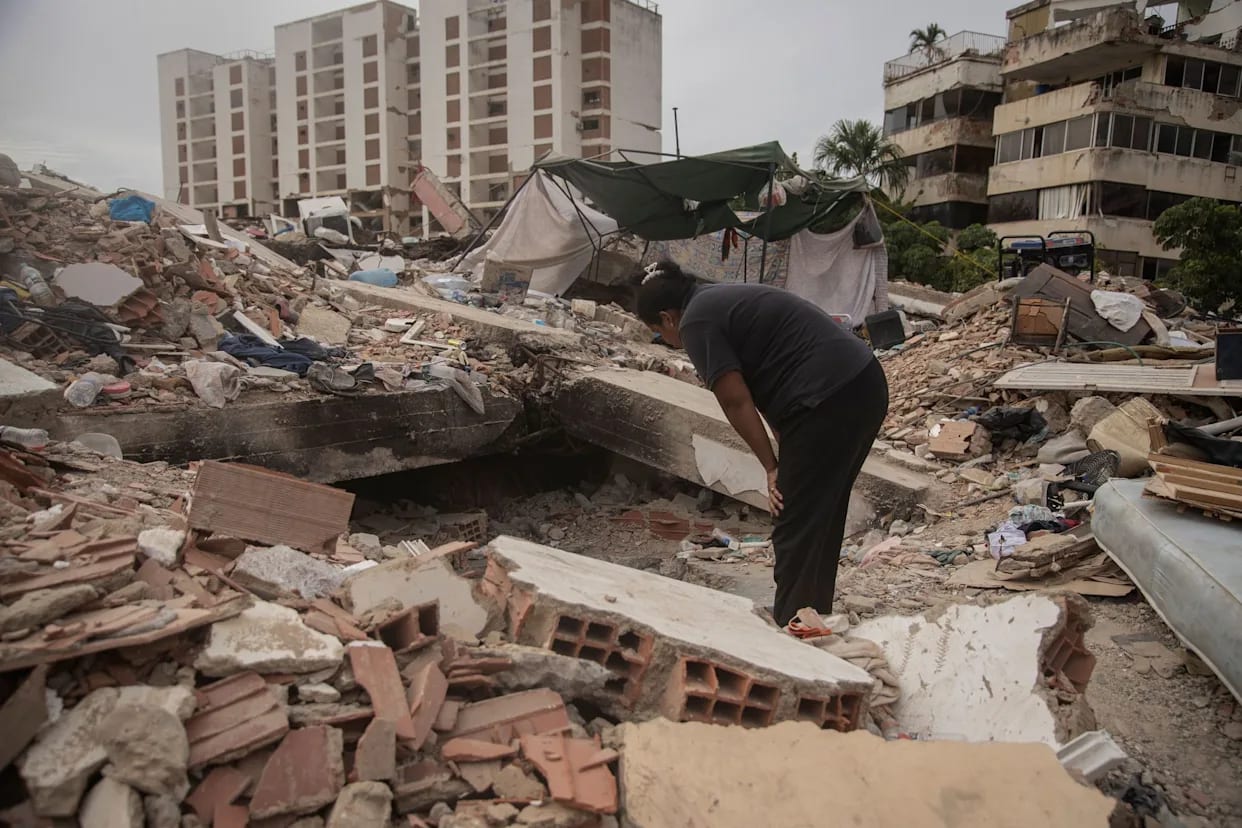
The death toll from Venezuela's devastating twin earthquakes has climbed to 3,685 as rescue operations continue across the country's hardest-hit regions, making it one of the deadliest natural disasters in the nation's recent history.
The powerful earthquakes struck northern Venezuela, causing catastrophic damage across Caracas, La Guaira and surrounding communities. Thousands of buildings were damaged or destroyed, critical infrastructure suffered extensive losses and emergency services were overwhelmed as search operations intensified.
Authorities continue updating casualty figures as rescue teams work through collapsed structures while humanitarian agencies expand relief operations for thousands of displaced residents. Hospitals, emergency shelters and aid organizations remain under significant pressure as they respond to growing humanitarian needs.
Twin Earthquakes Leave Trail of Destruction
The disaster began when two powerful earthquakes struck within a short period, triggering widespread destruction across densely populated urban and coastal regions.
Entire residential buildings collapsed, roads cracked, bridges sustained damage and essential public services were disrupted in several municipalities. Communication networks were also affected, making it difficult for emergency officials to assess the full extent of the destruction during the first hours after the disaster.
La Guaira has emerged as one of the worst-affected areas, with rescue workers continuing to search heavily damaged neighborhoods for survivors believed to remain trapped beneath collapsed buildings.
In Caracas, emergency responders have been working around the clock to stabilize damaged infrastructure, assist injured residents and support thousands forced to evacuate unsafe buildings.
Thousands Injured and Displaced
Beyond the rising death toll, the earthquakes have left thousands of people injured while forcing large numbers of families from their homes.
Temporary shelters have been established to accommodate displaced residents as authorities assess structural damage throughout affected communities. Many survivors remain unable to return home because buildings have been declared unsafe or completely destroyed.
Medical teams continue treating trauma patients while facing shortages of medicines, equipment and hospital capacity. Emergency officials have also warned that overcrowded shelters and damaged sanitation systems could increase public health risks if humanitarian assistance does not continue expanding.
The disaster has placed enormous strain on Venezuela's healthcare system as hospitals struggle to cope with the large number of casualties requiring emergency treatment.
Rescue Teams Continue Search Operations
National emergency services, military personnel, firefighters, volunteers and international rescue specialists continue searching through collapsed buildings across the affected regions.
Heavy machinery has been deployed to remove debris, although unstable structures and repeated aftershocks have slowed rescue operations in several locations.
Residents have also joined emergency efforts by helping clear rubble, locating missing relatives and supporting rescue crews wherever possible. Community volunteers have played a vital role in areas where official resources remain stretched.
Emergency workers continue recovering victims while maintaining hope that additional survivors may still be found beneath collapsed structures.
Aftershocks Complicate Recovery Efforts
Frequent aftershocks have continued following the initial earthquakes, creating additional dangers for both rescue workers and survivors.
Each new tremor forces emergency crews to temporarily suspend operations while engineers assess the stability of partially collapsed buildings. Authorities have urged residents to remain away from damaged structures until comprehensive safety inspections are completed.
The ongoing seismic activity has also delayed efforts to restore utilities and reopen transportation routes needed to deliver emergency supplies into isolated communities.
Government Expands Emergency Response
Venezuelan authorities have expanded emergency response measures as criticism grows over the pace of relief efforts.
Government agencies continue coordinating rescue operations, distributing humanitarian assistance and providing temporary housing for displaced families. Officials say emergency resources are being directed toward restoring electricity, water services and transportation links in the most severely affected areas.
However, humanitarian organizations and local residents have expressed concerns over shortages of food, medical supplies and shelter materials, particularly in remote communities where access remains limited.
Damaged roads, collapsed bridges and disrupted communications have complicated logistics and slowed aid deliveries throughout several disaster zones.
International Humanitarian Aid Increases
International governments, humanitarian organizations and rescue teams have expanded assistance as Venezuela's recovery effort grows.
Medical supplies, emergency shelter materials, food assistance and specialized search-and-rescue equipment continue arriving from multiple countries to support local response operations.
Humanitarian agencies have emphasized that sustained international cooperation will remain essential as Venezuela moves from emergency rescue efforts toward long-term recovery and reconstruction.
Aid organizations are also working to support displaced families through healthcare services, psychological assistance and emergency relief programs.
Long Recovery Lies Ahead
As rescue operations continue, attention is gradually shifting toward the enormous task of rebuilding communities devastated by the earthquakes.
Thousands of homes, schools, hospitals, public buildings and transportation networks will require extensive reconstruction. Engineers continue inspecting damaged structures while authorities prepare long-term housing solutions for displaced families.
The disaster has highlighted the challenges of responding to major natural catastrophes in regions already facing infrastructure and economic difficulties.
Recovery is expected to take months, and in some communities, rebuilding efforts may continue for years before normal conditions return.
Communities Face Difficult Road Forward
While rescue teams continue searching for survivors, thousands of Venezuelan families now face the difficult task of rebuilding their lives after losing loved ones, homes and livelihoods.
The earthquakes have transformed neighborhoods across northern Venezuela into disaster zones, leaving communities dependent on emergency assistance while recovery efforts continue.
Despite the immense destruction, volunteers, emergency workers and humanitarian organizations remain on the ground providing vital support to survivors as Venezuela begins what is expected to be a long and challenging recovery.
Reader Conversation
You must be logged in to post a comment.