Wildfires Encircle Quito as Drought Conditions Force Evacuations and Red Alert in Ecuador

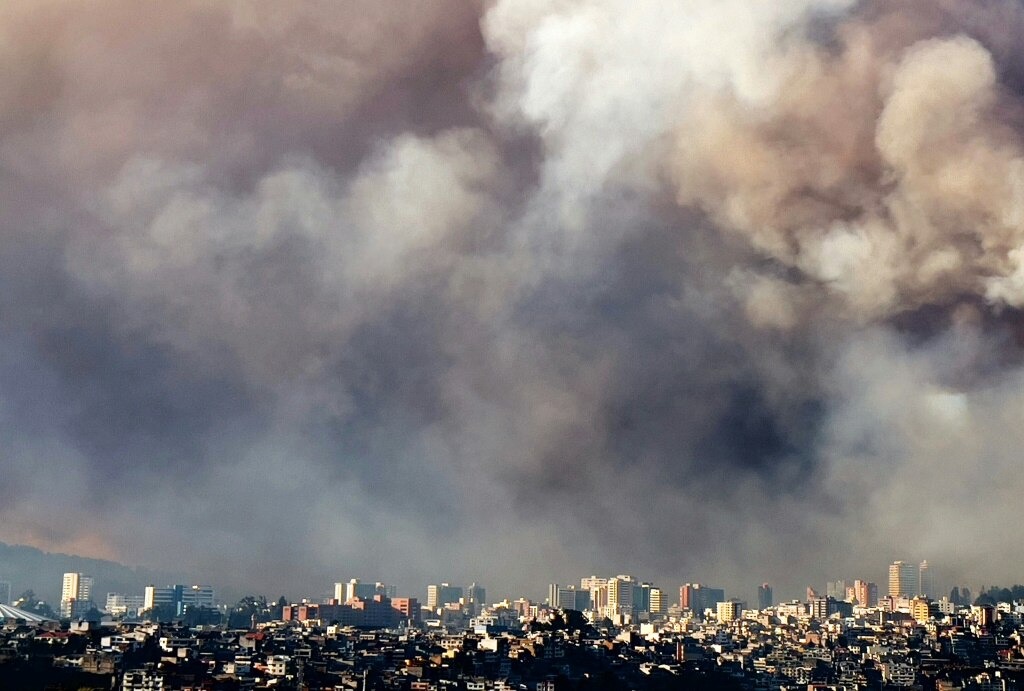
QUITO: Massive wildfires fueled by historic drought and high mountain gusts advanced rapidly into the residential perimeter of Quito on Monday, blanketing the Ecuadorian capital in thick smoke, forcing emergency evacuations across northeastern neighborhoods, and prompting city authorities to declare an immediate red alert status.
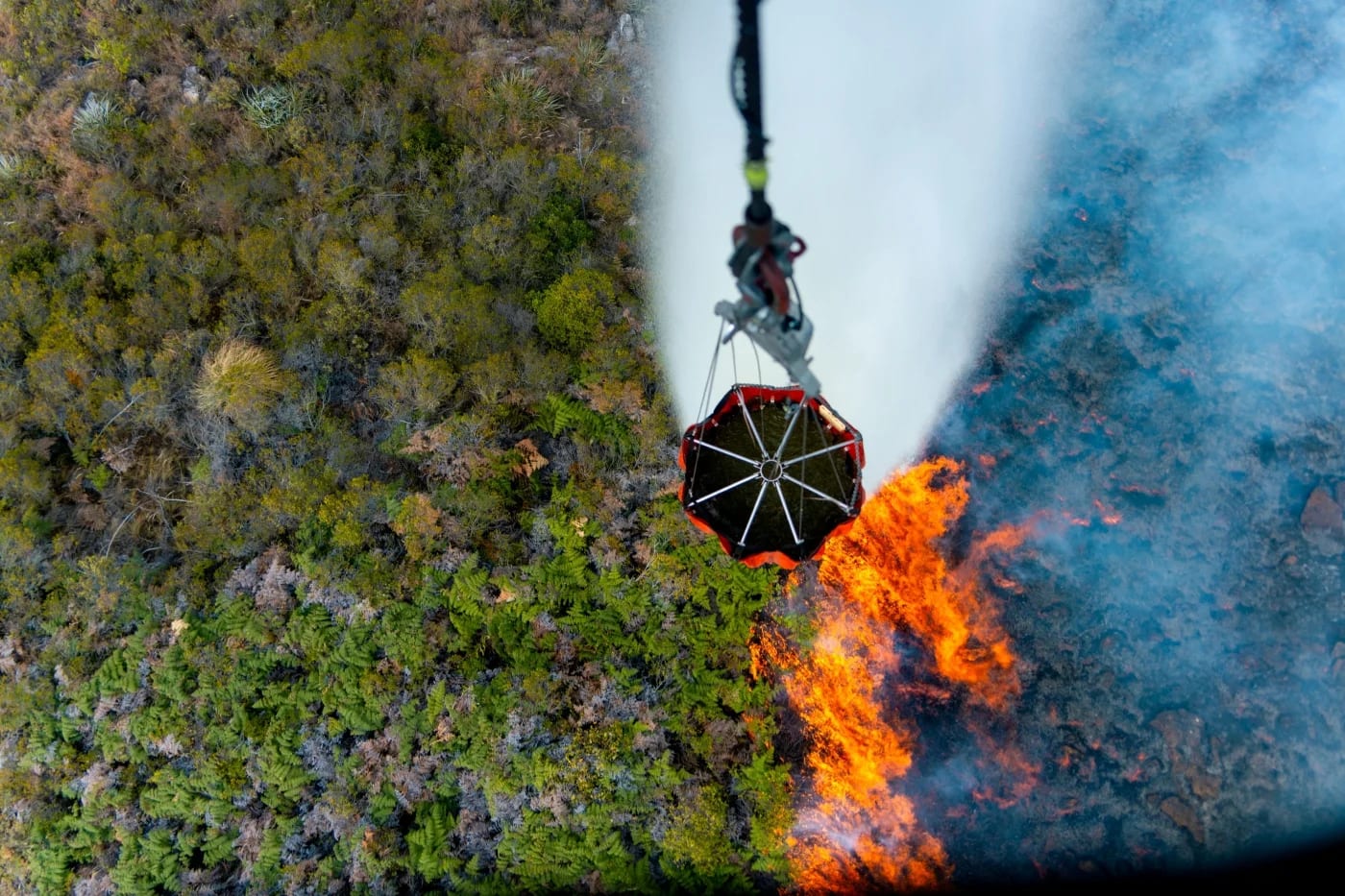
Over 800 firefighters, complemented by military units, aerial water bombers, and hundreds of volunteer brigades, have been deployed across the rugged slopes of Guápulo, Bellavista, and the flanks of the Auqui mountain to protect densely populated subdivisions from encroaching fire walls.
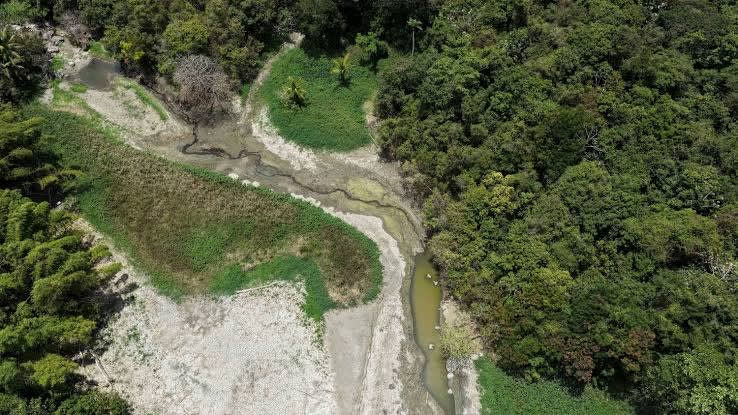
The emergency follows months of unprecedented dry conditions linked to a severe El Niño climatic cycle, which has left the parched Andean vegetation vulnerable to rapid spark ignition and severely diminished municipal water reserves.
Residential Evacuations and Structural Damages
As wind gusts exceeded 45 kilometers per hour, flames leaped across dry canyons and urban ravines, torching residential perimeter fences and threatening high-voltage power transmission lines serving the capital.
Municipal authorities coordinated the immediate evacuation of over 1,200 households in vulnerable hillside communities, establishing temporary emergency shelters and field medical stations to treat residents suffering from acute smoke inhalation and thermal burns.
Quito Mayor Pabel Muñoz announced that educational institutions across the metropolitan area would suspend in-person classes, urging citizens to stay indoors, wear protective masks, and conserve household water to support firefighting pressure in municipal hydrants.
Cascading Energy Strain and Critical Infrastructure Risks
The wildfire crisis has compounded Ecuador’s already delicate energy situation. Hydroelectric reservoirs, which supply over 75% of the nation’s electricity, are hovering near record lows due to the prolonged dry spell.
The dual burden of power rationing and wildfire containment has stretched emergency logistics to the limit:
- Aerial Water Bombing Bottlenecks: Helicopters equipped with Bambi buckets have faced operational constraints due to reduced reservoir water depths and dense smoke reducing pilot visibility.
- Air Quality Emergency: Atmospheric monitoring stations across Quito recorded particulate matter (PM2.5) levels exceeding hazardous thresholds, leading public health officials to issue citywide respiratory alerts.
- Transport Disruptions: Major arterial highways connecting Quito to the eastern valleys and the international airport were closed intermittently to prioritize emergency response vehicles and tanker convoys.
National Emergency Response and Long-Term Outlook
President Daniel Noboa’s administration has authorized the mobilization of national disaster relief reserves and requested cross-border mutual aid from neighboring Colombia and Peru, including specialized aerial firefighting aircraft.
Climatologists warn that while emergency crews are making progress in establishing containment firebreaks, persistent high temperatures and the absence of forecasted rain over the next ten days will keep the capital region at extreme risk.
Government agencies continue to emphasize that beyond immediate containment, Ecuador must undertake comprehensive reforms in urban-forest buffer zoning, modernize satellite-based early fire detection grids, and accelerate investments in watershed resilience.
Reader Conversation
You must be logged in to post a comment.