Major Wildfire Threatens Historic Colonial Town of Villa de Leyva as Dry Season Strains Colombian Emergency Crews

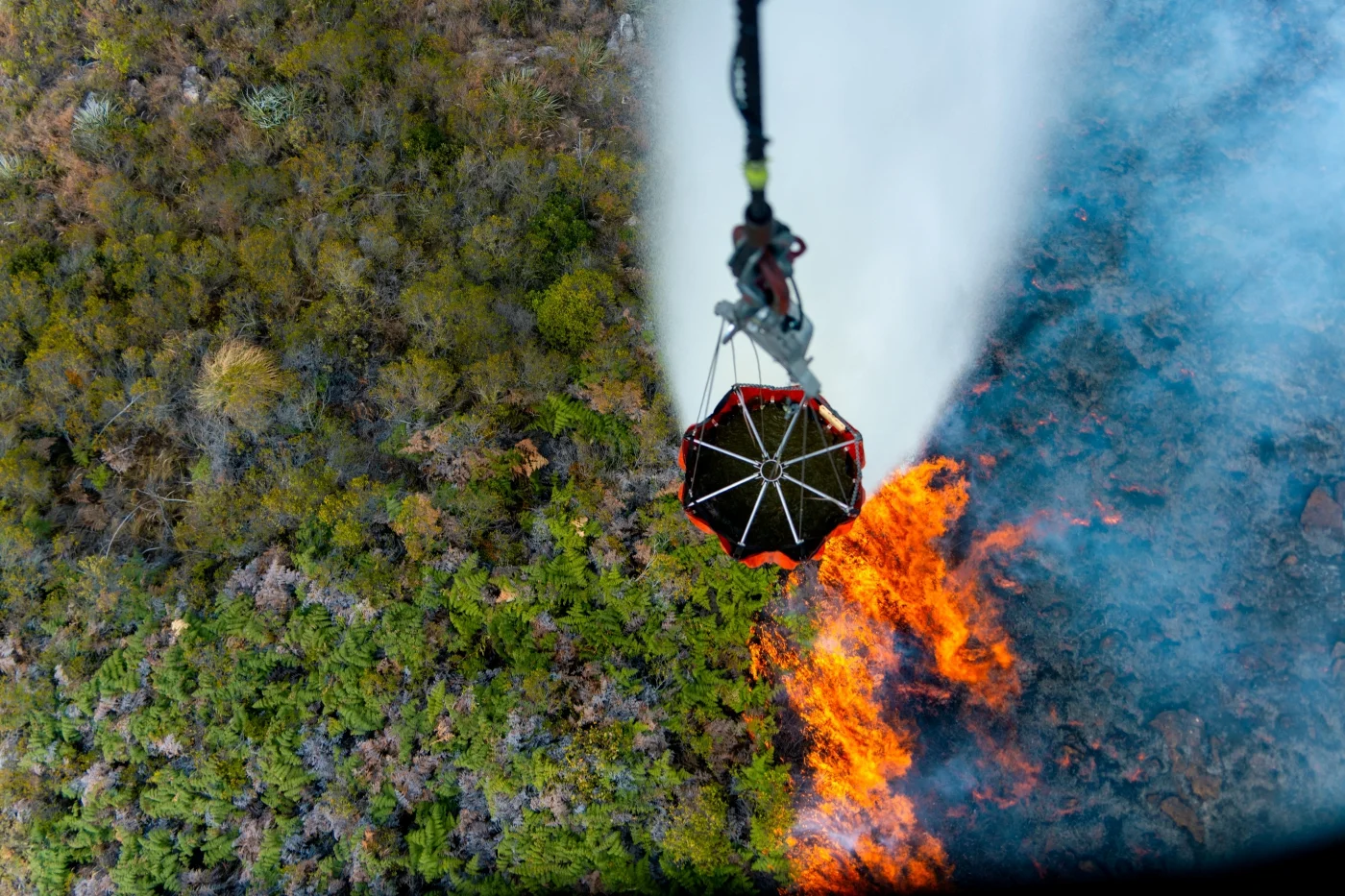
VILLA DE LEYVA: A raging wildfire driven by severe drought and high mountain winds swept through the arid hillsides encircling the historic colonial town of Villa de Leyva on Sunday, prompting Colombian disaster authorities to declare an amber emergency and mobilize military helicopters to protect centuries-old heritage structures and rural residential hamlets.
Over 200 firefighters, Civil Defense volunteers, Red Cross personnel, and Colombian Army soldiers have established defensive containment perimeters along the upper slopes of the Iguaque sanctuary corridor to prevent flames from descending into the cobblestone urban center of one of South America’s most celebrated architectural landmarks.
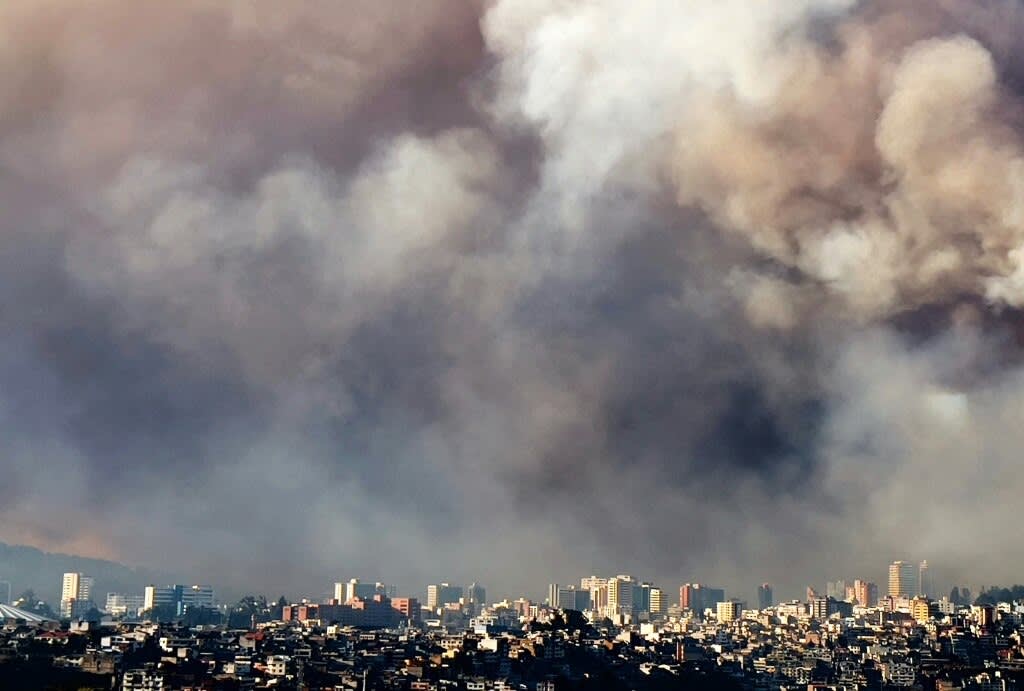
The blaze has already consumed more than 350 hectares of native Andean scrubland, pine forests, and fragile paramo ecosystems, sending massive plumes of grey smoke billowing across the desert-like valleys of Boyacá department.
Aerial Water Bombing and Containment Challenges
The Colombian Air Force deployed UH-60 Black Hawk helicopters equipped with Bambi buckets to conduct continuous water drops over the highest ridges, drawing water from nearby agricultural reservoirs in Sáchica and Sutamarchán.
However, firefighting operations have encountered extreme obstacles due to steep rock faces, shifting afternoon wind gusts of up to 40 kilometers per hour, and localized temperatures exceeding seasonal averages by nearly four degrees Celsius.
Rural families living in the veredas of El Roble and Monquirá were evacuated as precautionary measures, while local hotel operators in the town center distributed masks and closed outdoor terraces due to heavy ash fallout.
Compounding Climate Pressures in the Colombian Andes
The Villa de Leyva emergency is the latest in a relentless wave of seasonal wildfires that have erupted across central Colombia following months of below-average rainfall:
- Paramo Watershed Degradation: Environmental scientists warn that burning in high-altitude paramo buffer zones destroys delicate frailejón plants, threatening critical sponge ecosystems that regulate water supplies for thousands of downstream farmers.
- Tourism and Economic Strain: Villa de Leyva’s tourism-dependent economy faces significant cancellations during a peak weekend period, impacting local artisans, boutique hotels, and regional gastronomy.
- Wildlife and Ecological Loss: Rescue veterinarians from the regional environmental authority (Corpoboyacá) have set up emergency treatment centers for endemic birds, reptiles, and small mammals displaced by the fire front.
Government Mobilization and Conservation Warnings
Colombia’s National Disaster Risk Management Unit (UNGRD) reported that coordinated water drops and ground firebreaks have achieved approximately 60% containment, though active hot spots remain a severe threat under direct midday sun.
Environmental authorities urged residents throughout the Andean region to avoid agricultural burning, campfires, or debris clearing, noting that over 90% of forest blazes during the dry season originate from human activity.
Emergency response teams will remain deployed across the Boyacá mountains on round-the-clock patrol to secure the perimeter and safeguard Villa de Leyva’s invaluable cultural and ecological heritage.
Reader Conversation
You must be logged in to post a comment.