Colombia’s President Asks Trump to Suspend Tariffs After Deadly Earthquake
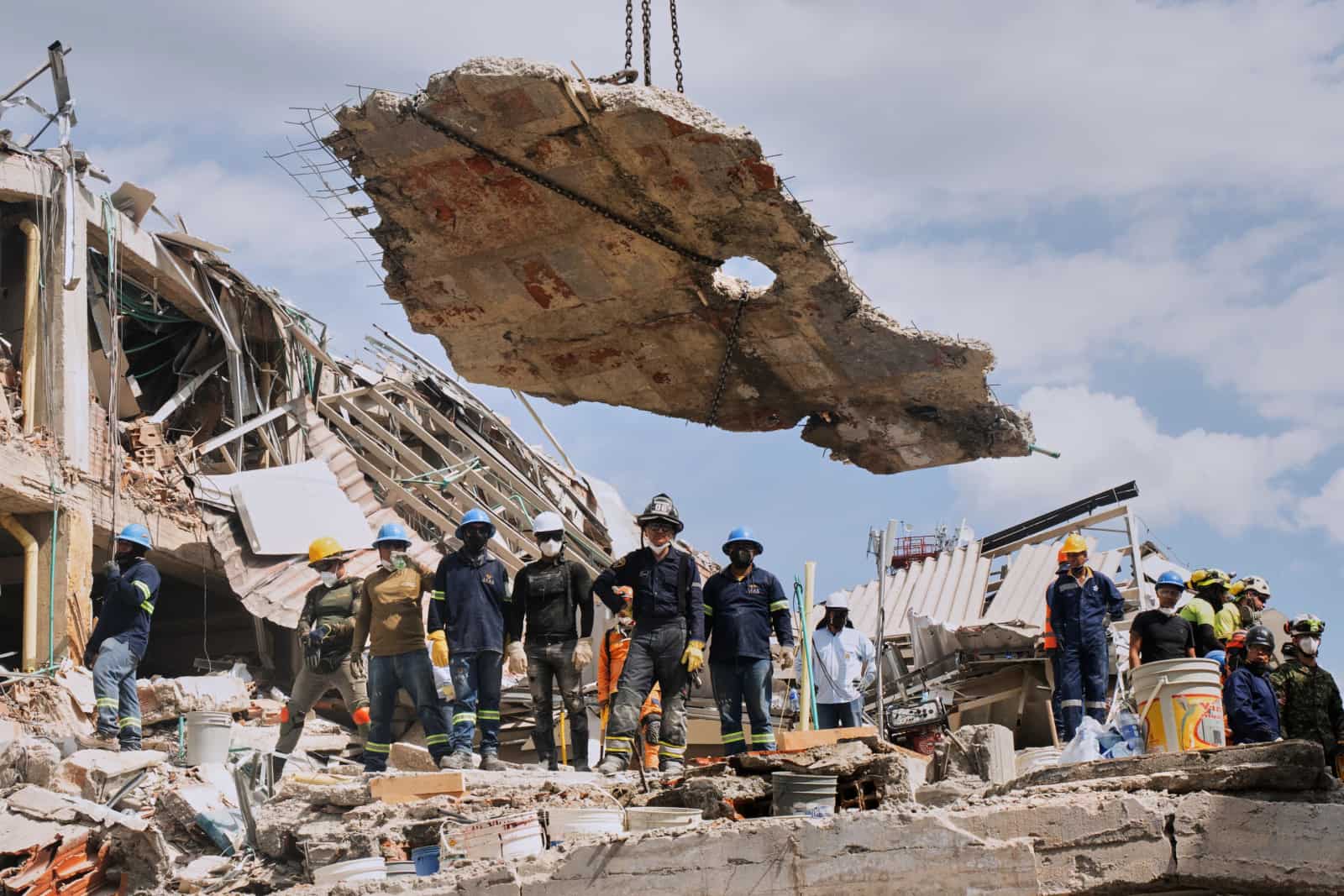
Colombian President Abelardo de la Espriella has asked U.S. President Donald Trump to temporarily suspend tariffs on Colombian goods as the country starts recovery efforts following a devastating earthquake that killed hundreds and destroyed much of the country.
De la Espriella made the request in a telephone conversation between the two leaders, saying tariff relief would offer economic help to Colombian businesses and help speed reconstruction after the disaster.
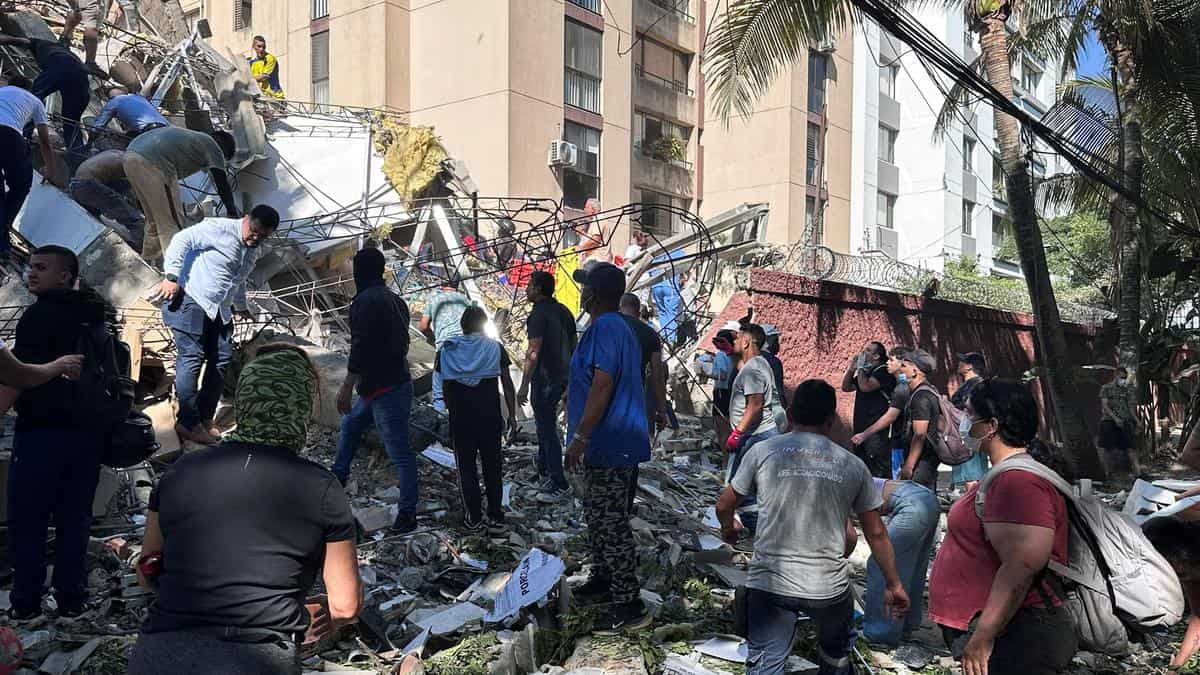
A 7.4 magnitude quake on August 10 shook western Colombia damaging cities such as Cali, Pereira and Quibdó. The disaster ravaged homes, infrastructure and public facilities, presenting a huge humanitarian and economic challenge to the newly installed government of Colombia.
De la Espriella, who took office just before the quake, has stressed his close ties with Washington and said working with the United States will be key to Colombia's recovery.
The tariff request adds a trade dimension to the fallout from the disaster, as Colombia seeks immediate economic relief amid the costs of rebuilding and helping affected communities.
Colombia Looks for Economic Relief after Devastating Quake
Colombian officials are grappling with the massive financial burden of rebuilding after one of the country’s most destructive earthquakes in decades.
The quake rattled several areas of western Colombia, damaging buildings and pushing emergency agencies to focus on rescue operations, medical aid and rebuilding.
Reports say the disaster has killed at least 289 people and injured thousands more. Communities in the impacted areas faced shortages of critical supplies and thousands of homes were damaged or destroyed.
Removing trade barriers will help lower costs and give Colombian companies better access to international markets so they can get back on their feet faster, President Abelardo de la Espriella said.
The request adds that natural disasters can have economic impact beyond the immediate need for rescue operations. Governments should not only provide emergency aid but also help businesses, workers and industries damaged by the destruction of infrastructure.
Colombia’s economy is largely based on exports, such as commodities and agricultural products. Disruptions to production, transportation or trade flows could present more challenges for reconstruction.
International support has been granted to the government after the earthquake. The United States has pledged emergency assistance including humanitarian assistance and disaster response support and other international organizations have contributed recovery resources.
For Colombia the tariff debate is an effort to tie diplomatic cooperation to economic recovery planning.
Trump Links Colombia Color with Washington Appeal
The tariff relief request additionally emphasizes the close political ties between President de la Espriella and President Trump.
Trump backed De la Espriella in the campaign for Colombia's presidential election and has called for closer relations between Bogota and Washington.
The strengthening of cooperation with the United States is a fundamental pillar of the Colombian president's foreign policy, especially in economic and security matters.
The earthquake was a big early test for his administration. De la Espriella, who only assumed the presidency days before the disaster, now has to balance the emergency response with the wider economic agenda.
His pitch to Trump is that temporary tariff relief would give Colombian companies more breathing room and help them rebound.
But it is uncertain whether Washington will give its OK. So far, the Trump administration has used tariffs as a bargaining chip in trade negotiations and foreign policy discussions
The decision will likely be influenced by wider US trade goals as well as humanitarian concerns.
Tariff suspensions would also be politically expedient for both governments, as a sign of cooperation in a crisis. It might relieve economic pressure on Colombia during the rebuilding. For Washington, it could solidify ties with a key regional ally.
It’s also a matter of disaster recovery crossing with international trade policy.
Colombia’s rebuilding could see economic diplomacy with the United States play an important role in its recovery.
First Big Test for De La Espriella Government: Earthquake Recovery
The earthquake is the first major national crisis for Abelardo de la Espriella since he took office as Colombia’s president.
The disaster struck just days after he was sworn in, thrusting the new administration straight into emergency management and reconstruction.
Rescue teams have been sent into the worst affected areas and government officials are co-ordinating humanitarian aid and infrastructure recovery.
The damage has taken its toll on Colombia’s public finances. The costs of the reconstruction are expected to be high and the international assistance and the economic stability will be even more important.
The government has sought the help of foreign partners like the United States and international financial institutions. The World Bank is also providing emergency funding for Colombia’s response efforts.
A call for tariffs to be suspended is part of a broader effort to create economic space as the recovery continues.
But there are longer-term challenges as well, such as rebuilding damaged infrastructure, helping displaced residents and reviving affected industries.
The quake also raised questions about Colombia’s ability to respond to large-scale disasters and the challenges facing a new administration in a national emergency.
For de la Espriella, the answer will probably help define how the public views his leadership.
A successful recovery effort would boost his standing at home, while delays or economic difficulties could increase political pressure.
The tariff appeal shows that Colombia's recovery plan is not only about providing emergency aid, but also about protecting trade, investment and economic growth.
Colombia-U.S. Trade Ruling Could Impact Recovery Plan
Colombia’s request for tariff relief could be a key indicator of the future of relations between Bogotá and Washington.
A temporary suspension would provide more support to Colombian exporters on the reconstruction and could be indicative of more economic cooperation between the two countries.
Colombia would have to rely more on existing financial resources, international aid and domestic recovery programs if the request is denied.
The move comes as trade policy is a major focus of the Trump administration.
Tariffs have been a bargaining chip for Washington in negotiations with its trading partners and any change is a major policy decision.
Colombia is focusing on rebuilding communities damaged by the earthquake right now. But officials say a stable economy will be crucial to a successful recovery.
The tragedy has already created a major humanitarian crisis, with thousands of people affected and reports of widespread damage to infrastructure in the western areas.
Colombia will receive more trade relief from Washington in the weeks ahead or the recovery will take place on the basis of the tariffs that now exist, he said.
Whatever the outcome of the tariff, the earthquake has shown how important international partnerships are in the face of major crises.
One of the hallmark challenges of President de la Espriella’s early presidency will be dealing with reconstruction while attracting economic help.
Reader Conversation
You must be logged in to post a comment.