Cuba Battles Nationwide Grid Collapse as Total Blackout Shuts Down Industry and Public Services
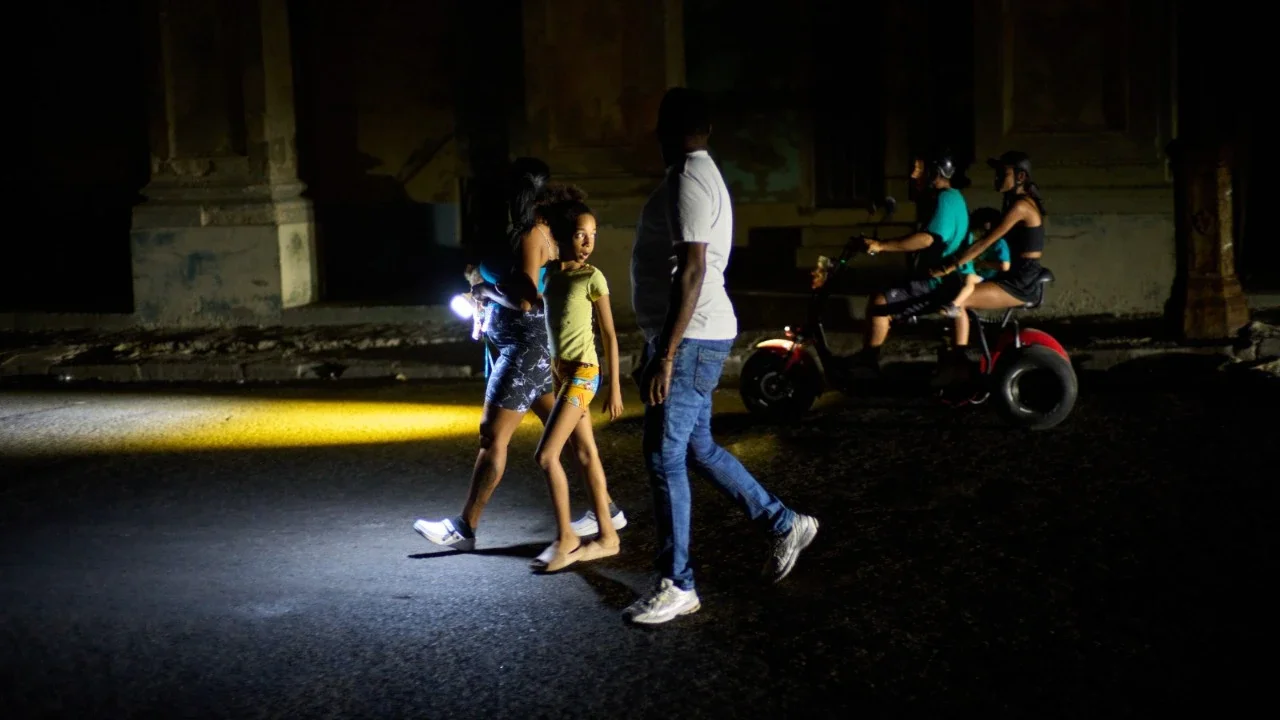
HAVANA: Cuba was plunged into a catastrophic nationwide blackout on Sunday following the unexpected total failure of the Antonio Guiteras thermoelectric plant in Matanzas—the backbone of the island’s electric grid—paralyzing public transit, forcing the shutdown of all non-essential state institutions, and leaving over ten million citizens without electricity.
The catastrophic "zero generation" event, confirmed by the Ministry of Energy and Mines and the state-run Electric Union (UNE), represents the most extensive systemic power grid collapse on the island in over two years, compounding an already acute humanitarian and economic crisis marked by severe food, water, and fuel shortages.
Emergency technical crews have been working around the clock to create isolated micro-systems and restore starter voltage to critical thermoelectric units, but officials acknowledge that stabilizing the fragile transmission network will require multiple days of delicate synchronization.
Aging Infrastructure and Severe Fuel Deficits
Cuba’s electrical grid has been operating on the brink of collapse for years due to decades of underinvestment, deferred maintenance on Soviet-era thermoelectric boilers, and a critical shortfall of imported diesel and heavy crude oil needed to power distributed floating power barges.
Traditional crude suppliers, including Venezuela and regional trading partners, have reduced oil shipments over the past year, while tightening international trade restrictions have restricted Cuba’s ability to procure replacement turbine components and specialized boiler parts on commercial markets.
The Antonio Guiteras plant, located approximately 100 kilometers east of Havana, tripped offline during peak morning load, triggering a cascading frequency imbalance that automatically disconnected every major generating facility across the island’s central and western provinces.
Widespread Disruptions and Emergency Measures
The total power outage has brought everyday economic and civic life across the island to a virtual standstill:
- Public Services and Schools Suspended: The Cuban government ordered the immediate suspension of all non-vital administrative activities, commercial venues, cultural events, and in-person schooling until power is restored.
- Water Pumping and Food Refrigeration Crisis: Without electric municipal water pumps, residential neighborhoods across Havana, Santiago, and Holguín have lost tap water access, while families struggle to preserve perishable food in tropical heat.
- Hospitals on Emergency Generators: Major provincial hospitals and intensive care units have switched to backup diesel generators, though healthcare workers express deep concern over finite fuel reserves.
- Communications and Banking Blackout: Mobile cell towers, electronic banking transactions, and internet connectivity have experienced widespread outages across all 15 provinces.
Long-Term Outlook for the Cuban Energy Sector
Cuban Prime Minister Manuel Marrero Cruz delivered a televised address acknowledging the gravity of the energy emergency and outlined planned emergency measures, including shifting commercial tariffs and accelerating agreements for small-scale photovoltaic solar parks.
However, energy experts emphasize that without billions of dollars in capital investment to completely overhaul thermal generating plants and secure reliable long-term fuel import pipelines, temporary grid restorations will remain vulnerable to sudden and systemic blackouts.
As night fell over Havana with streetlights completely dark and residents sitting on doorsteps to escape stifling indoor heat, the island faces one of the most grueling tests of resilience in its modern history.


Reader Conversation
You must be logged in to post a comment.