Dominican Republic Expels Nine Cuban Diplomats Amid Tensions

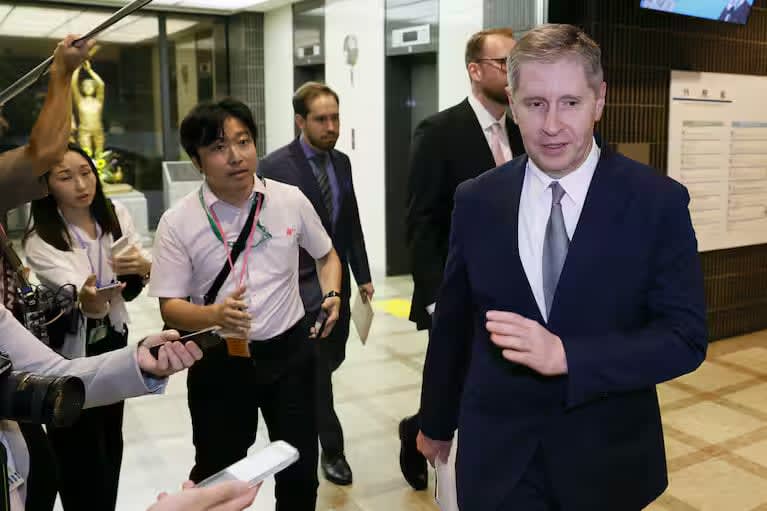
The Dominican Republic has expelled nine Cuban diplomats and their families, fanning the flames of a bitter diplomatic row with Havana and adding to a widening strain over Cuba’s regional ties. The Dominican Foreign Ministry took the decision on August 13 but did not publicly explain why the expulsions.
The Dominican Foreign Ministry said it has given seven days to Cuban officials to leave. Cuba has strongly condemned the action, accusing the administration of President Luis Abinader of acting under the pressure of the United States and the increasingly restrictive policy of Washington against Havana.
The row is especially sensitive for Cuba, which is facing mounting economic pressure with energy shortages and growing diplomatic isolation. Washington has continued to tighten sanctions and other measures against the Cuban government and entities tied to its economy.
The Dominican Republic has maintained diplomatic relations with Cuba, and the decision to expel members of Havana’s diplomatic mission represents a major escalation. The move could further cloud relations between the two Caribbean nations and highlights the increasingly polarized regional debate over Cuba’s relationship with the United States.
Dominican Republic Expels Nine Cuban Diplomats
The Dominican government has officially requested that Cuba recall nine members of its mission and their families from the country. The country’s Foreign Ministry said the officials were given seven days to depart the Dominican Republic.
The government has not provided any public rationale for the diplomats’ expulsion. The Dominican authorities said the matter would be addressed thru established diplomatic channels, and said the decision was taken under applicable international rules.
The expulsion represented a major escalation of Santo Domingo-Havana relations. Cuba and the Dominican Republic established diplomatic relations in 1998, following a break during Rafael Leonidas Trujillo’s dictatorship.
Cuba's Foreign Ministry denounced the move as an act of submission to U.S. policy toward Havana. Cuban officials said the Dominican government was giving in to pressure from Washington, which is trying to diplomatically and economically isolate Cuba.
The Cuban government also challenged the Dominican government’s accounting, saying that 10 officials had been affected, not nine. Another source of contention between the two governments is the conflicting figures.
Former Dominican minister Miguel Mejía criticized the decision, saying he wanted more transparency from the government on why it was throwing out the Cuban officials.
The Dominican government has offered no explanation to the public other than to confirm the diplomatic measure, leaving the specifics behind the expulsions shrouded in mystery.
Cuba Slams Santo Domingo for Bowing to US Pressure
Havana has said the expulsions are part of a wider campaign to isolate Cuba, especially as the Trump administration has ramped up economic and political pressure on the government there.
Cuba's Foreign Ministry said the Dominican decision could only be explained as what it called Santo Domingo's capitulation to U.S. pressure. The Cuban government has repeatedly condemned Washington’s sanctions and other restrictions, which it says worsen conditions on the island.
The latest spat comes after Washington announced in July further sanctions against nine Cuban entities and two individuals. The U.S. State Department said the steps are aimed at limiting access to funds linked to what it called illicit activities, sanctions evasion and repression in Cuba.
Cuba’s economy has been hit by acute shortages of fuel, electricity, food and medicine, while Havana has repeatedly accused the US of economic pressure to destabilize the government. Cuban officials also have said that past talks with Washington have achieved little progress.
Historically, the Dominican Republic has maintained strong economic and social ties with Cuba, despite political differences. Therefore the present diplomatic step is not only a matter of importance for the officials in question.
This development comes as other governments in the region review relations with Havana. The Dominican decision could help build a greater sense that Cuba is becoming more isolated among governments seeking to get closer to Washington.
But the Dominican government has not publicly connected the expulsions directly to U.S. policy or the recent U.S. sanctions.
It is unclear what the motivation for the move was and Santo Domingo has not given a reason.
Cuba was Facing Increasing Diplomatic Pressure from Regional Politics
The dismissal is part of a broader realignment of politics around Cuba. Several Latin American governments have grown more critical of Havana and pressure on the Cuban government has intensified in the United States.
In fact, Santo Domingo’s policy toward Havana has not always coincided with that of Washington. The Dominican Republic itself recently abstained in a United Nations vote on the U.S. embargo against Cuba.
But the latest decision shows ties are entering a more difficult phase.
Cuba has accused the US of seeking to isolate the island and has strongly condemned governments that take measures it considers to be in line with Washington. Havana made similar accusations in July after the president-elect of Colombia said he planned to close his country’s embassy in Cuba, calling the proposed move a sort of subordination of U.S. policy.
The Dominican Republic’s stance is especially significant because of its geographic and economic ties to Cuba. Both are big Caribbean countries, with strong regional links in tourism, migration, trade and security.
The expulsion of the diplomats does not mean that Santo Domingo wishes to break diplomatic relations with Havana. Instead it’s a huge diplomatic slap in the face, even with formal bilateral relations in place.
No reason was given, so it is difficult to say if the decision was made on security concerns, diplomatic disagreements, foreign policy considerations or something else.
That uncertainty is sure to spark speculation as Cuba and the Dominican Republic deal with the fallout.
The episode is yet another sign to Havana of the tough diplomatic climate surrounding the government. This is a sign of a willingness on the part of Santo Domingo to adopt a more aggressive stance toward Cuba, but to keep formal diplomatic relations.
Further Diplomatic Repercussions Could Isolate Cuba in the Region
The immediate question now is how the Cuban officials will leave and whether Havana or Santo Domingo will take further diplomatic action.
The Dominican Republic has given the members of Cuba’s diplomatic mission and their families affected by the decision seven days to leave.
Cuba's sharp response raises the possibility of further diplomatic retribution, tho neither government has announced a wider breakdown in relations.
The fight is likely to attract attention in Washington, too. The Trump administration has continued to put pressure on Havana, including economic sanctions against Cuban entities and individuals.
The Dominican Republic will have to manage relations with Cuba and the United States, while protecting its own diplomatic interests. Santo Domingo has important economic and strategic interests throughout the Caribbean and has tended to favor close ties with Washington.
Cuba may be concerned that its influence in the region is fading as diplomatic staff leave another nearby Caribbean country.
Yet it would be wrong to assume that the latest development amounts to a complete diplomatic rupture. The Dominican government has not announced plans to cut diplomatic relations with Havana and Cuba maintains its embassy in Santo Domingo.
The biggest question without an answer is why the expulsions happened. Pending further information from Santo Domingo, it is not clear whether the measure is a response to a particular diplomatic row, security concerns or wider foreign policy considerations.
Clearly, the incident has only added another layer of tension to an already difficult international environment for Cuba. The expulsion of the nine Cuban officials could thus be a major test of whether the relationship between Havana and Santo Domingo stabilizes or deteriorates in the coming weeks.
Reader Conversation
You must be logged in to post a comment.