Mexico President Claudia Sheinbaum Reaffirms State Energy Sovereignty Amid US Trade Pressures and PEMEX Debt Overhaul

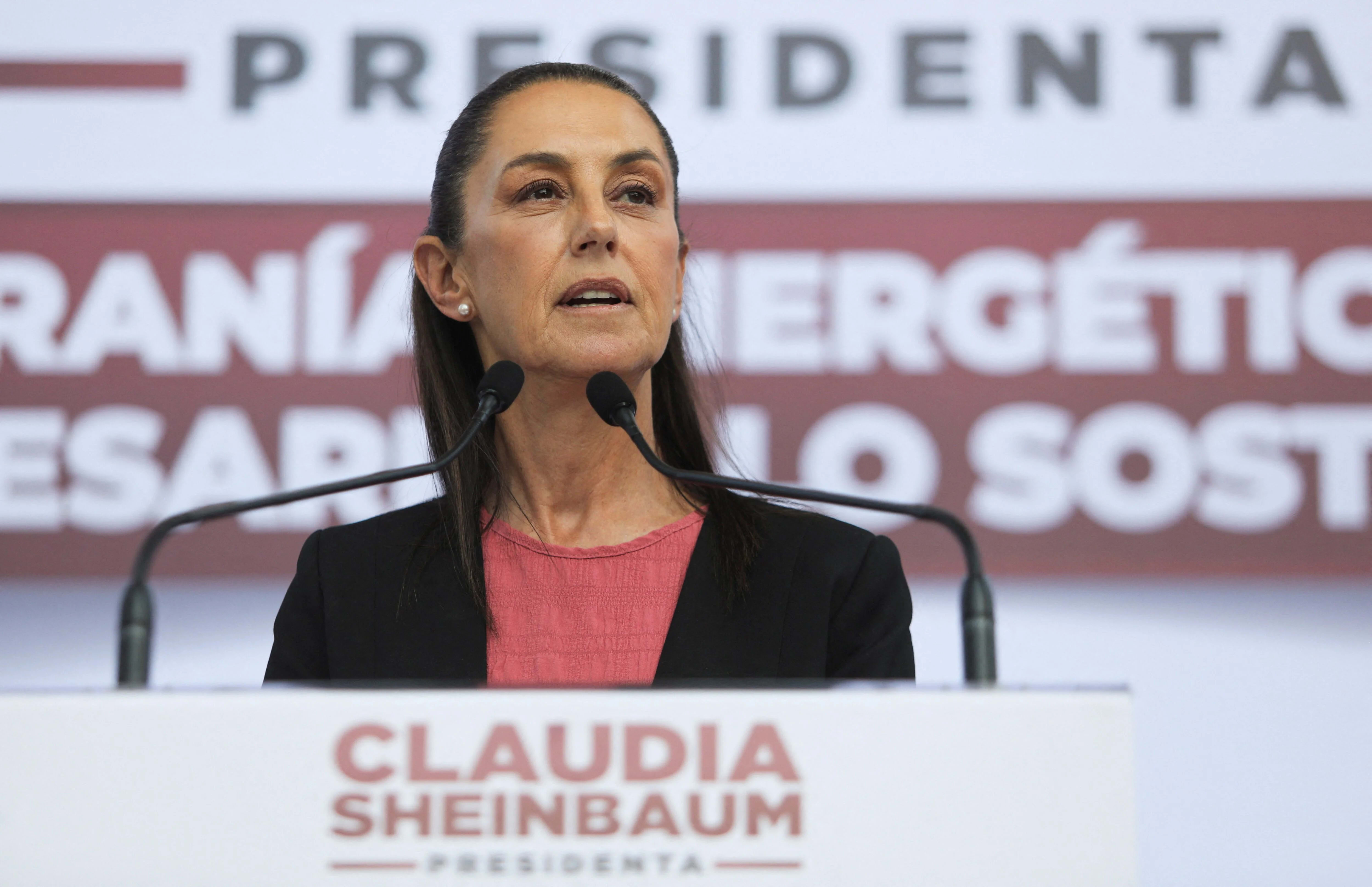
MEXICO CITY — In her second full week as Mexico's head of state, President Claudia Sheinbaum sent a firm and calculated economic signal during high-level cabinet consultations at the National Palace on Monday, vigorously defending constitutional energy reforms that designate state oil monopoly Petróleos Mexicanos (PEMEX) and the Federal Electricity Commission (CFE) as strategic "public enterprises" while preparing to receive top corporate executives at the upcoming U.S.–Mexico CEO Dialogue.
The Mexican president’s economic blueprint navigates a complex balancing act between asserting sovereign domestic control over petroleum extraction, refining, and electrical transmission, and reassuring foreign institutional capital nervous about regulatory predictability under the USMCA North American trade framework. The constitutional adjustments recently enacted explicitly mandate that the state must generate at least fifty-four percent of Mexico’s electrical power, leaving forty-six percent open to private clean energy developers under clear, predictable market rules.
Treasury officials in Mexico City unveiled updated financial projections detailing a 20-billion-dollar sovereign liability management framework aimed at refinancing PEMEX’s outstanding international bond maturities. The restructuring plan pairs federal debt guarantees with disciplined production targets focused on stabilizing domestic crude oil output around 1.77 million barrels per day, maximizing processing efficiency at the newly operational Olmeca refinery in Dos Bocas, and slashing costly imports of foreign refined gasoline and diesel.
Addressing international press inquiries regarding pressure from Washington trade envoys seeking broader market access for U.S. natural gas and private energy infrastructure, Sheinbaum reaffirmed: "Foreign investment is welcomed and protected in Mexico under our legal framework, but our strategic national resources belong to the Mexican people. Private companies will have transparent rules for renewable co-investment without compromising national sovereignty."
Business chambers including the Business Coordinating Council (CCE) and the American Chamber of Commerce in Mexico responded constructively to the administration's clear demarcation of private investment lanes, confirming their participation in bilateral working tables focused on nearshoring supply chains, clean logistics corridors, and semiconductor manufacturing along the Bajío and northern industrial states.
Economic observers noted that Sheinbaum’s pragmatism and technocratic expertise in energy engineering provide the administration with formidable credibility to execute ambitious fiscal stabilization goals while maintaining broad public support across Mexican society.
Reader Conversation
You must be logged in to post a comment.