Mexico President Claudia Sheinbaum and US CEO Dialogue Secure 20 Billion Dollar Nearshoring and Clean Energy Pledges

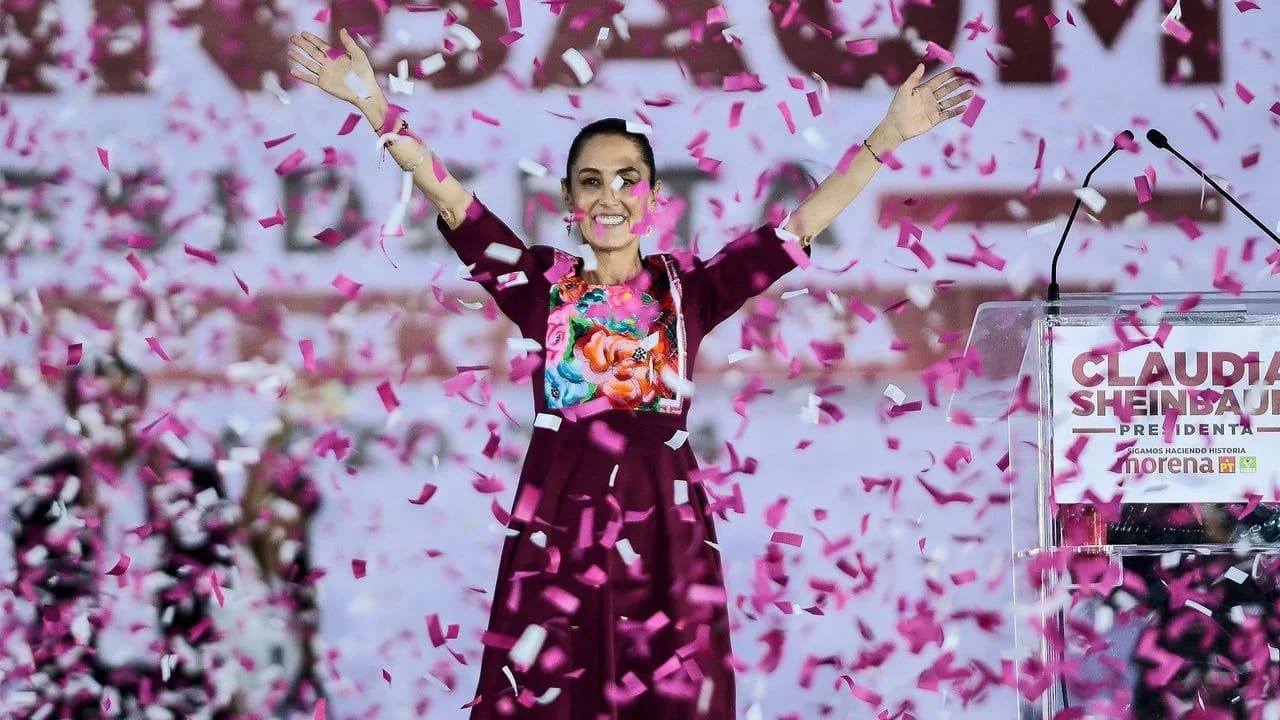
MEXICO CITY — Newly inaugurated Mexican President Claudia Sheinbaum concluded the 14th annual U.S.–Mexico CEO Dialogue at the historic National Palace on Monday, delivering a reassuring message to more than 240 senior corporate executives from both nations and confirming over 20 billion dollars in confirmed foreign direct investment commitments slated for 2025.
The high-stakes bilateral summit served as the Sheinbaum administration's inaugural flagship engagement with international corporate leadership, addressing persistent market anxieties following recently enacted constitutional reforms that mandate the popular election of federal judges and reclassify state oil firm PEMEX and utility CFE as public enterprises. Addressing attendees alongside Economy Minister Marcelo Ebrard and U.S. Chamber of Commerce President Suzanne Clark, Sheinbaum was unambiguous: "Your investments are safe in Mexico. Our constitutional reforms enhance legal predictability, strengthen the rule of law, and guarantee transparent, competitive rules for private nearshoring partnerships."
Economy Minister Ebrard detailed the incoming capital allocations, highlighting multi-billion-dollar commitments including a massive liquefied natural gas (LNG) export terminal in Sonora backed by Mexico Pacific LLC, major cloud computing data center clusters deployed by Amazon Web Services in Querétaro, and offshore clean energy and port infrastructure projects led by Australia's Woodside Energy and Royal Caribbean.
To accelerate nearshoring manufacturing and dismantle bureaucratic red tape, Sheinbaum unveiled the creation of the National Digital Transformation Agency, an integrated regulatory portal designed to slash federal licensing approval timelines from months to days for advanced manufacturing, semiconductor testing, and automotive supply chain plants located along the Interoceanic Corridor of the Isthmus of Tehuantepec.
Business leaders from both sides of the border praised the administration's clear, technocratic dialogue, emphasizing that close North American economic integration under the USMCA trade pact is indispensable for competing effectively against Asian manufacturing blocs and maintaining resilient supply chains in critical minerals, medical devices, and electronics.
The summit concluded with the establishment of joint bilateral working committees focused on energy grid expansion, industrial water recycling, and cross-border customs modernization ahead of the official USMCA treaty review scheduled for 2026.

Reader Conversation
You must be logged in to post a comment.