São Paulo Plunged into Chaos as Destructive Spring Gale Leaves 1.6 Million Without Power and Triggers Concession Showdown with Enel

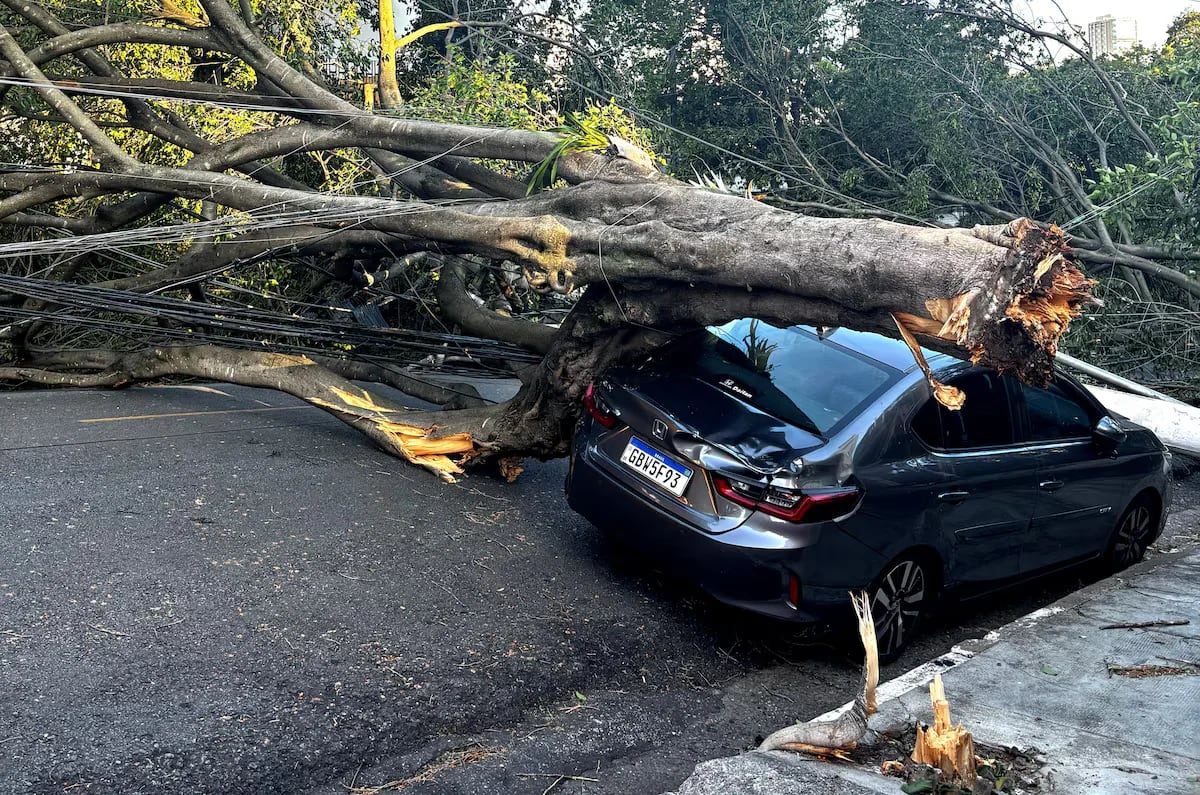
SÃO PAULO — Latin America's largest metropolis remained paralyzed by extensive electrical and logistical disruption on Monday as federal energy regulators and state prosecutors issued emergency ultimatums to private power distributor Enel after an unprecedented spring storm brought devastating wind gusts, toppled thousands of trees, and left over 1.6 million households without electricity across Greater São Paulo.
The meteorological emergency struck the metropolitan area with violent, gale-force atmospheric squalls measuring up to 108 kilometers per hour, downing high-voltage transmission cables, crushing vehicles, and causing at least seven fatalities across the state. Three days after the initial gale, more than 530,000 residences, hospitals, and commercial establishments were still entirely without power, forcing public utility Sabesp to deploy emergency water tankers as electrical pumping stations across western and southern districts failed.
The prolonged blackout triggered fierce public outrage and heated political confrontation. Brazil's federal National Electric Energy Agency (ANEEL) and the Ministry of Mines and Energy summoned Enel executives to emergency hearings in Brasília, issuing a formal three-day deadline to fully restore service to all residential customers or face millions in punitive fines and the immediate formal initiation of administrative proceedings to revoke the company’s distribution concession.
State consumer defense agency PROCON-SP and municipal business chambers reported catastrophic economic losses, calculating that refrigerated perishable inventories across thousands of supermarkets, restaurants, and medical clinics were ruined by prolonged cooling failures. In neighborhoods like Morumbi, Pinheiros, and Santo Amaro, residents banged pots and pans from apartment balconies in furious "panelaço" protests demanding accountability.
Meteorologists and climate researchers at the National Institute for Space Research (INPE) underscored that the violent gale reflects intensifying atmospheric volatility across South America, where prolonged regional drought and record tropical heat anomalies in the interior create severe localized convective instability when encountering cold fronts from the south.
Municipal civil defense teams and army engineering brigades mobilized chainsaws, heavy cranes, and emergency generator units to clear blocked arterial avenues, while state authorities urged citizens to avoid fallen power lines as recovery efforts proceed across the metropolis.
Reader Conversation
You must be logged in to post a comment.