United Nations Launches $60 Million Emergency Appeal to Assist Drought-Hit Communities in Central America

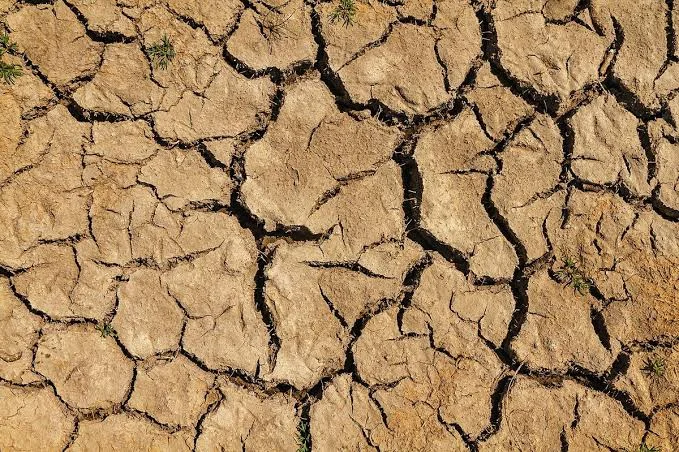
TEGUCIGALPA: The United Nations Office for the Coordination of Humanitarian Affairs (OCHA) together with regional humanitarian partners has launched an urgent US$60 million Flash Appeal to deliver emergency food, clean water, and agricultural relief to more than 538,000 people severely impacted by acute drought conditions across Central America’s Dry Corridor.
The crisis follows the driest primary planting cycle recorded across parts of Honduras, Guatemala, and El Salvador since 1991, decimating subsistence maize and bean harvests that rural farming communities depend upon for year-round sustenance.
The humanitarian appeal aims to mobilize immediate international donor funding to prevent acute nutritional deficits among children under five and stave off forced economic displacement among smallholder agrarian families.
Impact on Rural Livelihoods and Food Security
In the southern and western departments of Honduras, consecutive months of erratic rainfall and extreme heat waves resulted in crop failure rates exceeding 70 percent on non-irrigated plots.
World Food Programme (WFP) field assessments revealed that tens of thousands of rural households have already exhausted their emergency food reserves, forcing families to reduce daily meals and liquidate essential farming assets.
"We are witnessing an unprecedented convergence of climate shocks that threatens the very survival of smallholder farming communities across the Dry Corridor," declared Alice Shackelford, UN Resident Coordinator. "Timely humanitarian intervention is essential to protect children from malnutrition and build sustainable community resilience."
Priority Action Areas of the Humanitarian Plan
The multi-agency response framework focuses on four critical intervention pillars over the coming six months:
- Direct Nutritional Support: Distributing emergency food rations, high-protein supplements, and multipurpose cash transfers to 120,000 vulnerable households.
- Water Sanitation & Tanker Supplies: Rehabilitating rural community wells, installing rainwater harvesting systems, and deploying water purification tablets.
- Drought-Resilient Seed Distribution: Providing certified drought-tolerant sorghum, biofortified bean seeds, and organic fertilizers for upcoming planting cycles.
- Community Health Surveillance: Deploying mobile nutritional screening clinics to detect and treat early signs of acute childhood wasting.
Building Long-Term Climate Adaptation
Beyond immediate emergency relief, regional authorities and multilateral development banks called for accelerated investments in micro-irrigation systems, agroforestry restoration, and climate-indexed agricultural insurance to break the cycle of recurring vulnerability in the Dry Corridor.



Reader Conversation
You must be logged in to post a comment.