Venezuela and Israel Restore Consular Ties After 17 Years

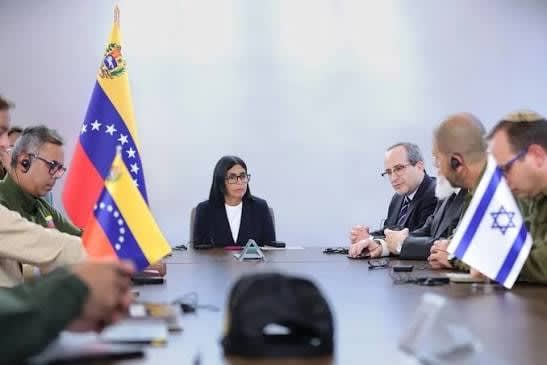
Venezuela and Israel have agreed to set up a mechanism to resume consular services after a 17-year break in diplomatic ties, in a major shift in relations between the two countries. The agreement establishes a formal scheme of consular cooperation that will enable both governments to serve their nationals without having normalized full diplomatic relations.
The move marks a major shift in Venezuela’s foreign policy after years of tense relations with Israel. In 2009, diplomatic ties were cut over tensions with Israel, which, under then-President Hugo Chavez, moved closer to anti-Israel states.
The pact is part of a broader shift in Venezuela’s international relations. Reuters said Caracas has been drawing closer to Washington and away from some of its former geopolitical partners, including its historic alignment with Iran.
The officials of both countries called the move a step toward better communication and co-operation but there has been no announcement of a full restoration of diplomatic relations.
Israel, Venezuela Renew Consular Channel After Years of Estrangement
Israel and Venezuela have agreed to re-establish limited diplomatic relations after nearly 20 years without formal ties. Under the arrangement, the two countries will establish coordination mechanisms to offer consular services to their citizens.
Consular services are generally used by citizens abroad as a way to obtain travel documents, to deal with issues of citizenship, to obtain legal assistance and to solve other administrative problems. The new arrangement is not full diplomatic normalization, but it does create a practical line of communication between the two governments.
Venezuela and Israel had enjoyed cordial relations for decades before they began to sour under the Chávez government. Caracas adopted a more critical position toward Israeli policies in the Middle East and developed closer relations with countries such as Iran. Finally relations broke down completely in 2009.
That was light years from the latest deal. In recent months, Venezuela’s foreign policy has become more aligned with Washington and less aligned with some previous international partners, Reuters reported.
The resumption of consular cooperation might also be useful for Venezuelan citizens who need services associated with Israel. The move provides a framework for both governments to deal with practicalities without an immediate full diplomatic re-start.
For Israel, the agreement was another opening with a Latin American country that had taken a very critical stance. Venezuela has been willing to develop relations with countries outside the traditional Latin American and Caribbean grouping.
Analysts say the deal is part of a broader geopolitical shift in Caracas’ foreign policy. The move is modest but could open the door to more cooperation on trade, technology and humanitarian aid.
Venezuela’s Changing World Role: From the US to the Globe
The return of consular relations coincides with a major shift in Venezuela’s international relations. It has long had close relations with Iran and Russia, but also clashed with the United States and several Western governments.
The reestablishment of contact with Israel signals Caracas’s desire to expand its diplomatic options and reduce its previous isolation. The deal is part of a wider drive by Venezuela to repair ties with countries that had little to do with its government.
The Middle East political disputes have had a profound impact on Israel’s relations with Venezuela. Under Chavez, Venezuela was one of Latin America's most vocal critics of Israel, particularly after the wars in Gaza.
In 2009, diplomatic relations were severed, ending official relations and reducing direct contact between the two nations. Citizens looking for assistance from Israeli or Venezuelan consular services have often had to turn to other diplomatic arrangements for years.
The new deal changes that, creating a formal structure for coordination.
The timing is also important because Venezuela has just seen its international standing change. The country’s relations with Washington have shifted, affecting the general foreign policy direction in Caracas, Reuters said.
Venezuela’s decision to re-establish relations with Israel may be an effort to bolster its economic and diplomatic relations with a broader swath of countries.
Yet huge challenges remain. The resumption of consular services, of course, doesn't resolve the political differences that led to the diplomatic rupture.
The future cooperation will depend on the readiness of both Governments to move beyond limited administrative coordination.
Renewed Cooperation Shaped by Humanitarian and Regional Issues
The resumption of consular relations follows a period of growing contact between Venezuela and Israel, including cooperation on humanitarian issues. Reports also mentioned Israel’s assistance after major earthquakes in Venezuela, which led to a renewal of communication.
Often humanitarian cooperation is a way for countries that have a difficult political relationship to begin talking to each other again. This new deal is a reminder that practical needs can sometimes open the door to wider diplomatic engagement.
Israeli officials stressed the need for the latter, while the Venezuelan government has stressed the need to restore services for its citizens.
The deal could also have repercussions for Venezuela’s Jewish community, which has maintained cultural and family ties with Israel. And renewed consular access could simplify administrative processes for Venezuelans with links to both countries.
Beside the bilateral relations, the move has broader regional implications. Latin American nations have had varying attitudes toward Israel, some having good relations, others criticizing Israeli policies.
Venezuela’s stand is particularly notable because it was once one of the region’s most vocal critics of Israel.
The deal could prompt further diplomatic reshuffling as countries re-assess their relationships in light of economic, security and political interests.
But experts warn consular cooperation should not be confused with full diplomatic normalization. The two governments are still separated by major historical differences that could affect their future ties.
The deal is a tentative first step to rebuilding communications after years of estrangement.
Venezuela-Israel Relations Future Uncertain
The resumption of consular services is an important step forward but the future of the relations between Venezuela and Israel remains to be seen. The deal opens some diplomatic channels again, but doesn't bring full relations back.
Further negotiations on political, economic and regional issues would probably be necessary for full diplomatic normalization.
The move reflects a common belief between the two governments that it is useful to keep channels of direct contact open, even if they have disagreed in the past. If the political environment continues to improve then the consular cooperation could be a platform for more talks.
Better ties with Israel could help Venezuela boost its international presence and open new economic opportunities. More conversation gives Israel an opportunity to mend fences with a country that was once diplomatically hostile.
The deal also reflects a broader trend in international relations of countries sometimes resuming practical cooperation before ironing out bigger political disputes.
The impact in the short term will not be great but the symbolic importance is huge. Venezuela and Israel have reestablished official diplomatic ties after 17 years without such connections.
The months ahead will tell if this is a step that will lead to something more concrete or remain in the consular realm.
The deal is one of the biggest shifts in the orientation of Venezuela’s foreign policy in recent times and could open a new chapter in the relationship between Caracas and Jerusalem.
Reader Conversation
You must be logged in to post a comment.