Active Oil Spill in Gulf of Mexico Damages Reefs, Wildlife

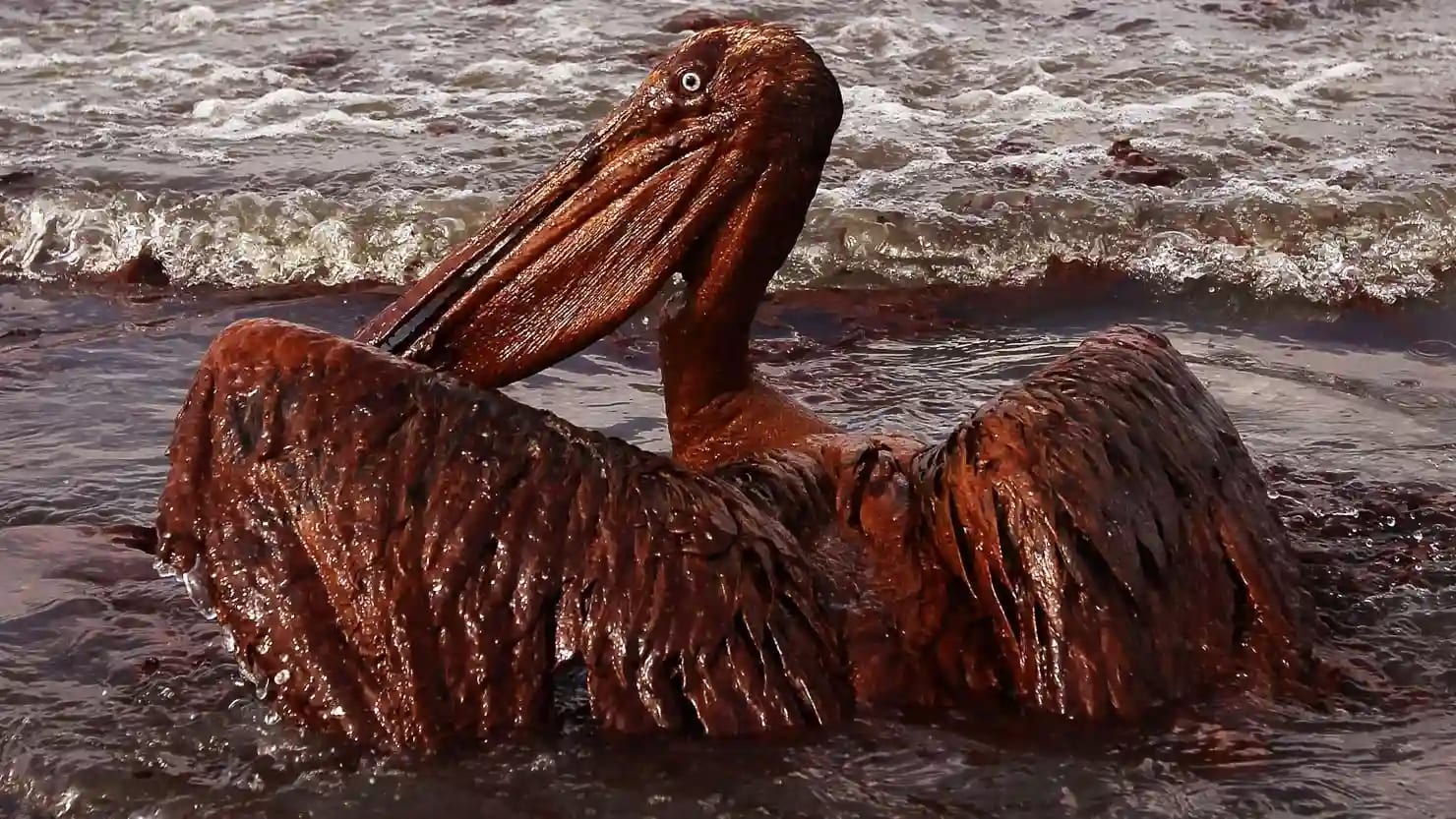
Mexico City: Mexican environmental authorities reported on March 27, 2026, an active oil spill in the Gulf of Mexico that is causing damage to coral reefs and killing marine wildlife on the country's coasts. Members of the Mexican Navy were captured removing tar-stained seaweed from affected beaches, while the Secretariat of Environment and Natural Resources (SEMARNAT) coordinated emergency operations.
The spill, whose exact source and total magnitude researchers are still determining, has contaminated a significant stretch of Mexico's Gulf coast. The coral reef ecosystems in the region, which form part of the Mesoamerican Reef System — the world's second longest barrier reef — are especially vulnerable to hydrocarbons, which can inhibit the photosynthesis of the symbiotic algae that sustain corals.
Wildlife and Ecosystems at Risk
Al Jazeera documented the death of sea turtles, coastal birds, and fish in the affected areas. The spill comes at a critical moment, with sea turtle nesting seasons about to begin on Mexico's Gulf beaches. Artisanal fishermen from coastal communities reported significant losses in their catches and difficulties accessing traditional fishing grounds.
Pressures on Mexico's Oil Industry
The incident revives the debate about the safety of oil facilities in the Gulf of Mexico and the capacity of Pemex — a state company facing structural financial difficulties — to maintain its infrastructure in safe conditions. The President López Obrador government invested massively in the Dos Bocas refinery complex in Tabasco, while preventive inspections of platforms and offshore facilities have been criticized by environmental organizations.
Reader Conversation
You must be logged in to post a comment.