Bombing on Colombia Panamerican Highway Kills 20 in Cauca
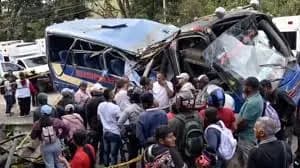
Cajibío, Colombia: At least 20 people were killed and 36 injured on Saturday, April 25, 2026, when an explosive device was detonated on a bus traveling along the Pan-American Highway in the municipality of Cajibío, in the southwestern Colombian department of Cauca. Cauca Governor Octavio Guzmán confirmed that the victims included 15 women and 5 men, with at least three of the 36 injured still in intensive care on Sunday.
According to authorities, the explosive was activated in the El Túnel sector, a heavily trafficked stretch of the Pan-American Highway connecting Popayán with Valle del Cauca. Twelve of the victims were neighbors from the same village near Cajibío, and hundreds of family members held a vigil on Monday to honor those killed. Colombia's Institute of Legal Medicine deployed specialists in forensic odontology, anthropology, and medicine to identify the bodies.
Responsibility and Government Response
President Gustavo Petro attributed the attack to a "narco-terrorist group" led by an individual known as alias "Marlon," identified by the Attorney General's office as Iván Jacob Idrobo Arredondo, the alleged leader of a FARC dissident faction operating in the region. The Defense Minister offered a reward of 5 billion pesos (approximately $1.4 million) for information leading to "Marlon's" capture.
The governor of Valle del Cauca, Francisca Toro, demanded "immediate support" from the national government and reinforcement of security forces, describing the situation as a "terrorist-level escalation." The Cajibío attack was not an isolated incident: more than two dozen violent incidents were reported in southwestern Colombia in the three previous days, and a military base in Cali had been attacked the day before, leaving one dead.
Regional Context
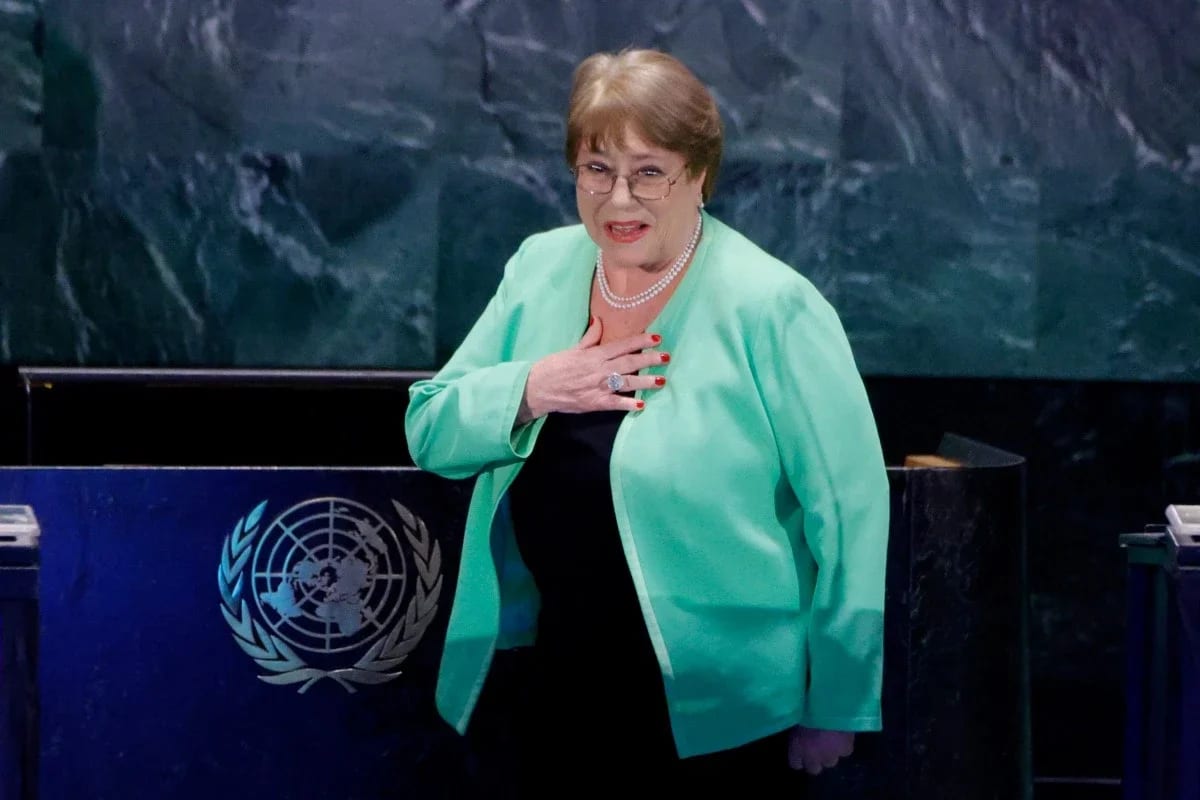
Cauca and Valle del Cauca are strategically important regions for illegal armed groups competing for control of coca cultivation areas and river and maritime routes to the port of Buenaventura, from where drugs are trafficked to Central America and Europe. FARC dissidents have increased their activity in the months leading up to the May 31 presidential elections, which are taking place in an atmosphere of high political and social tension. The UN High Commissioner for Human Rights condemned the attack and called on authorities to investigate and guarantee justice for the victims. Guzmán declared three days of mourning in the department in memory of the dead.
Reader Conversation
You must be logged in to post a comment.