Colombia Elects New Congress Amid Tensions with the US

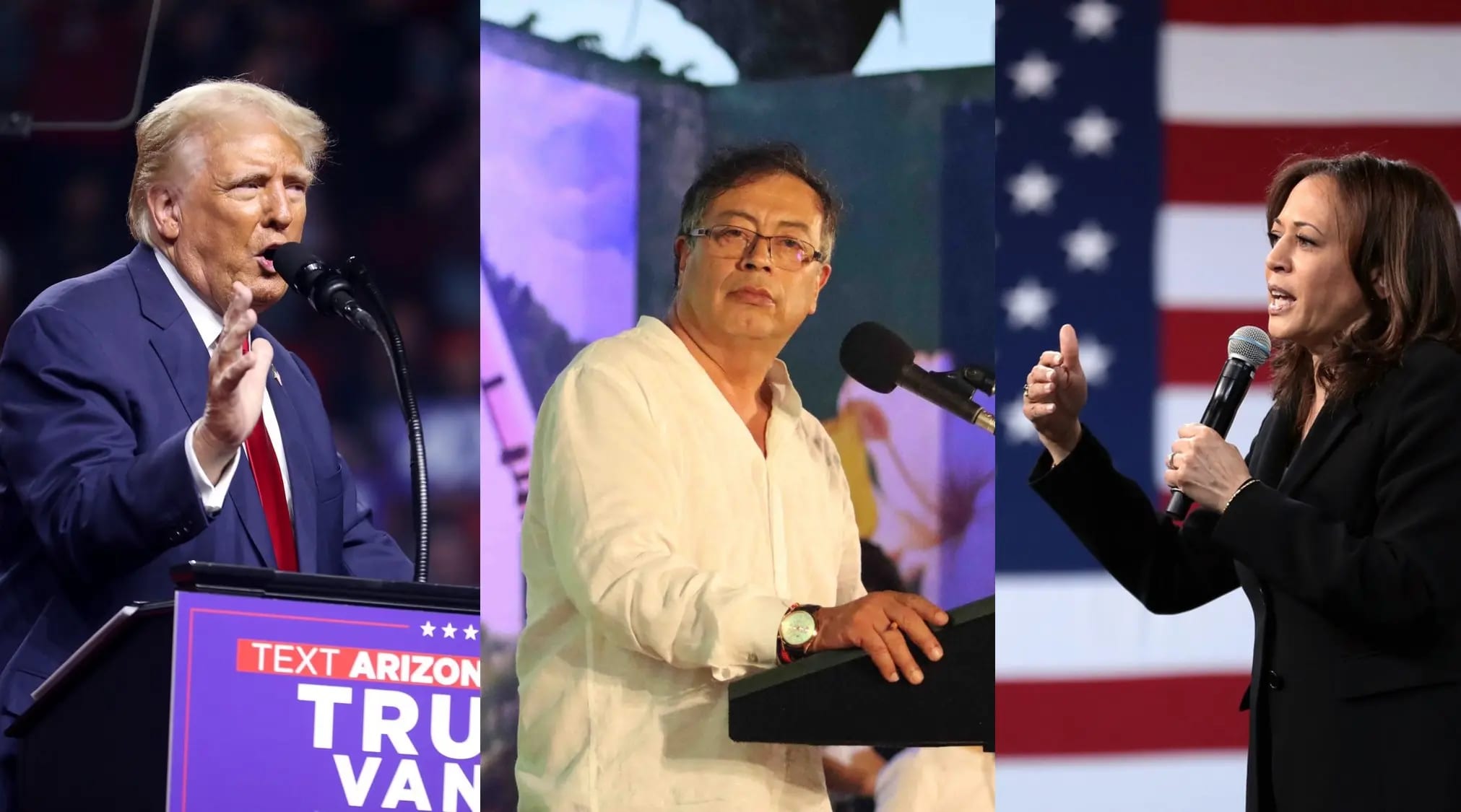
Bogotá: More than 41.2 million Colombians went to the polls on Sunday, March 8, 2026, to elect the new Congress — 102 Senate seats and 182 in the House of Representatives — and decide the presidential candidates of the country's main political coalitions, in elections held under maximum security alert for political violence in rural areas dominated by armed groups.
The session was marked by controversy before voting began: the Defense Minister declared that a group of at least 2,400 people "apparently heading to vote" was detected attempting to illegally enter the country through the Venezuelan border, despite the border closures during the electoral process. President Gustavo Petro described the incident as "large-scale fraud" and "an avalanche of illegal voting."
Results: Victories and Surprises
In the presidential primaries, Senator Paloma Valencia, candidate of the center-right coalition, obtained a victory that analysts described as surprising and which, according to Bloomberg, could reshape the presidential race. In the left-wing primary, Iván Cepeda, a close ally of President Petro, consolidated his candidacy. Right-wing candidate Abelardo de la Espriella and former Bogotá Mayor Sergio Fajardo did not participate in the primaries, presenting directly as candidates in the May 31 first round.
The Context of Relations with the US
The elections took place with Colombia under pressure from the Trump administration, which has threatened military action in the country as part of its pressure policy in Latin America. Whoever wins the presidency will need to manage a complex bilateral relationship, especially in anti-narcotics cooperation and extradition, in a context where the ELN has intensified its operations following the collapse of peace talks in January 2026.
Reader Conversation
You must be logged in to post a comment.