Colombia Prepares for Elections Marked by Political Violence

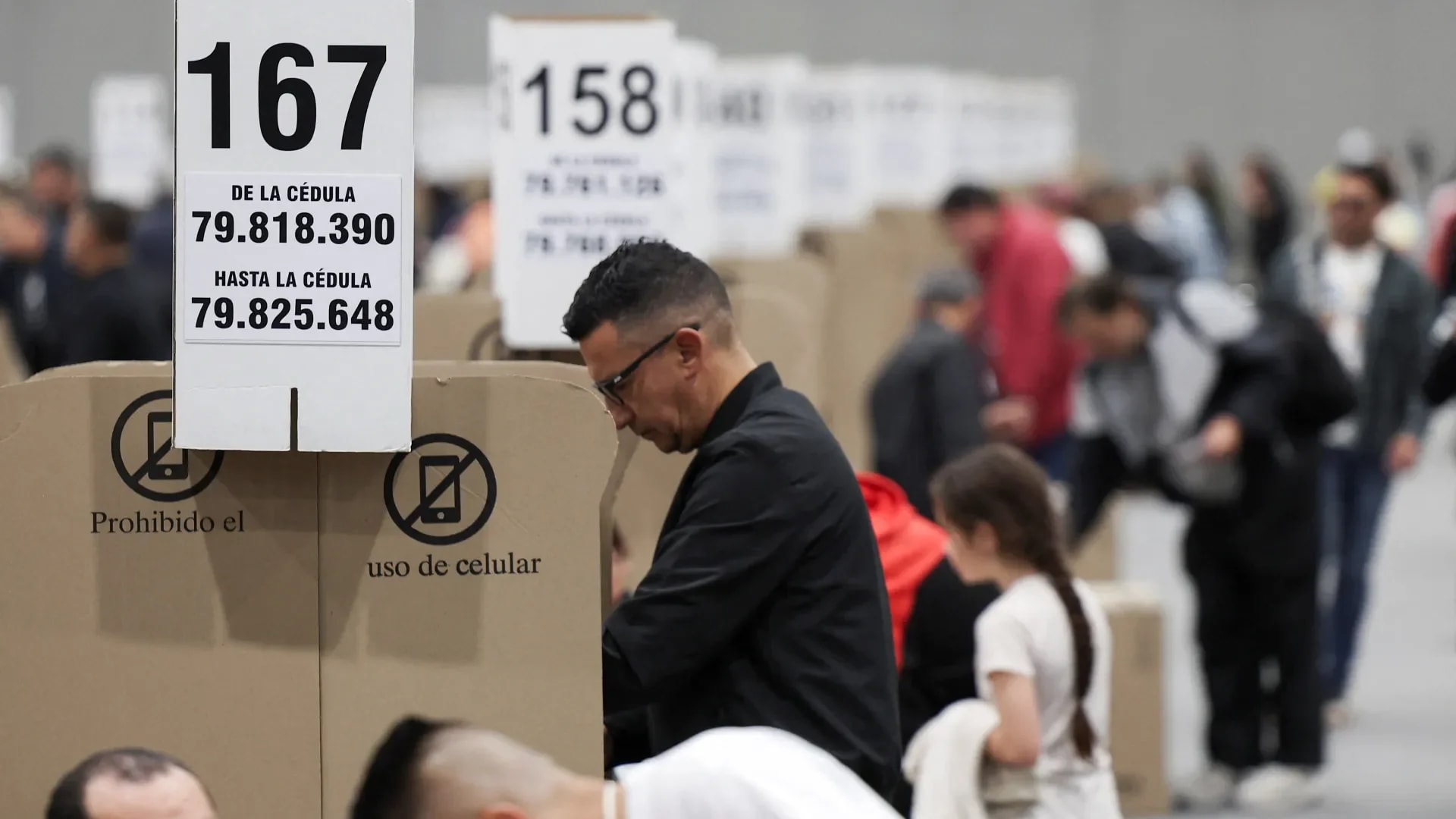
Bogotá: Colombia is heading toward its May 31, 2026 presidential elections in a process characterized by intense political polarization, increased violence against candidates, and an extremely close race between three main contenders. President Gustavo Petro is constitutionally barred from seeking consecutive reelection, so the next president will represent a change of direction for the country.
According to the National Consulting Center poll for Cambio magazine, published in March 2026, left-wing candidate Iván Cepeda Castro of Petro's Historic Pact leads voting intentions with 34.5%, followed by center-right Senator Paloma Valencia at 22.2%, and right-leaning lawyer Abelardo de la Espriella at 15.4%. However, AtlasIntel polls from April indicate that the three main candidates are in a very narrow band between 26 and 28%, making the first round highly uncertain.
Political Violence in the Campaign
The campaign has been marked by an escalation of violence. Senator Miguel Uribe Turbay was assassinated in June 2025, the first killing of a Colombian presidential candidate in over 30 years. The collapse of peace talks with the ELN in January 2026 and the Catatumbo crisis, which left more than 100 dead and displaced 55,000 people, have made security the main concern for voters. Candidates have scaled back in-person campaign events for fear of new attacks.
The International Scenario and Trump's Pressure
Colombia's next president will also need to navigate a complex relationship with the Trump administration. Whoever leads the country must show early willingness to cooperate with Washington on security and drug trafficking. A second round is almost certain on June 21, as no candidate is close to the 50% needed to win in the first round, as established by the Colombian constitution.
Reader Conversation
You must be logged in to post a comment.