Colombia Reforests Conflict Zones After Peace Agreement
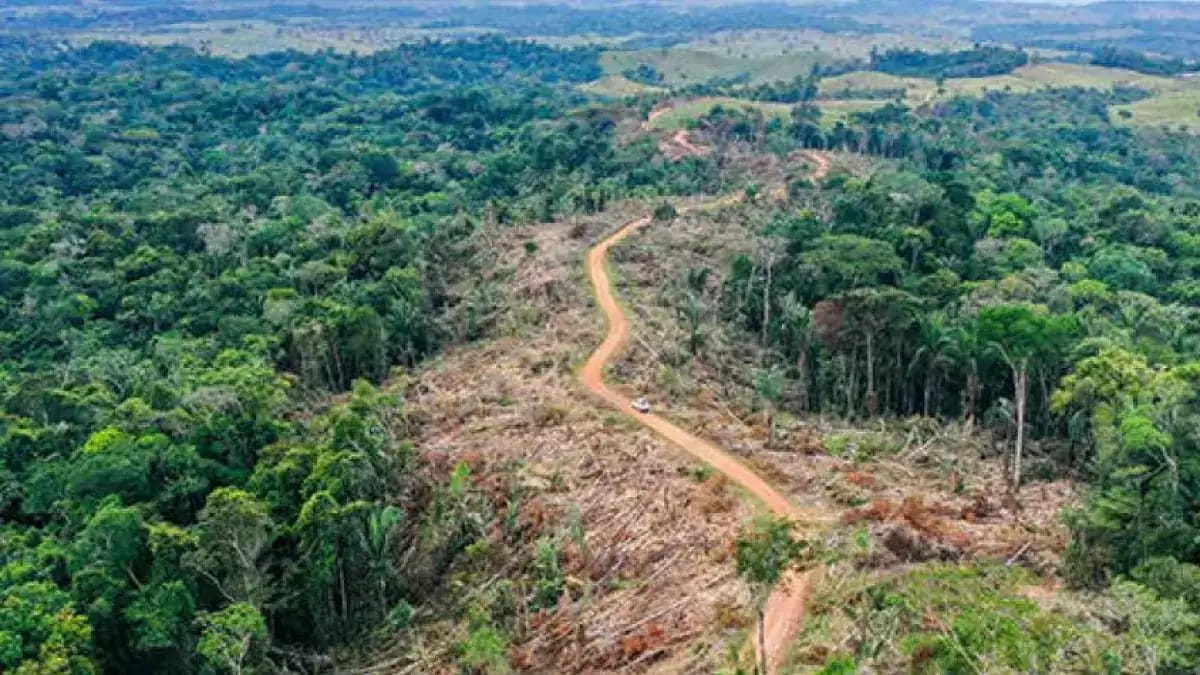
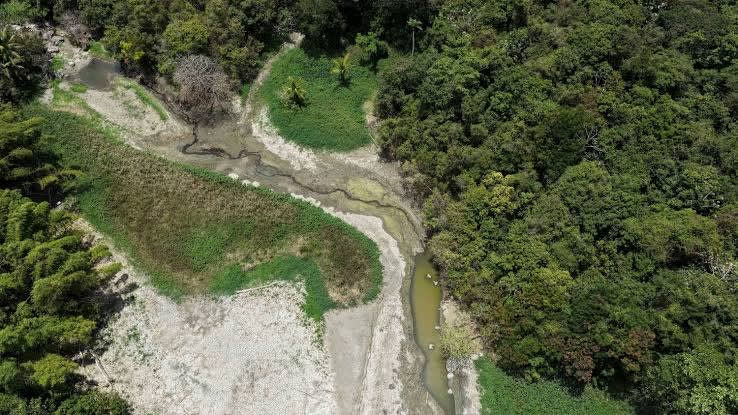
Bogotá: Colombia is turning zones previously controlled by the FARC into forests. Ten years after the signing of the Peace Agreement, the Bosques de Paz program has managed to reforest more than 180,000 hectares in the regions of Caquetá, Putumayo, and Meta, areas where the guerrilla kept deforestation controlled to prevent state entry and which paradoxically became some of the most deforested in the country after the agreement, when settlers and loggers entered the power vacuum.
The program, funded with resources from the Peace and Nature Fund, combines reforestation with payment for environmental services to rural communities. Beneficiaries receive between 800,000 and 1.2 million pesos per month for guarding and restoring forests, transforming from potential deforesters into ecosystem guardians.
Verifiable Results
Satellite images processed by the Institute of Hydrology, Meteorology, and Environmental Studies (IDEAM) show a significant recovery of forest cover in the departments where the program operates. Deforestation in these areas fell 62% between 2022 and 2025, compared to the national average.
The forest recovery has important co-benefits: regulation of water basins that supply intermediate cities, carbon capture that Colombia offers to international credit markets, and biodiversity recovery in one of the world's megadiverse countries.
Pending Challenges
The program faces long-term challenges. Pressure for agricultural land, driven by growing food demand and the lack of land reform, generates permanent incentives for deforestation. And the presence of FARC dissidents and the ELN in some areas complicates program implementation by civil operators.
Reader Conversation
You must be logged in to post a comment.