Cuba Electrical Grid Suffers Total Collapse Plunging 10 Million into Darkness as Largest Power Plant Antonio Guiteras Shuts Down

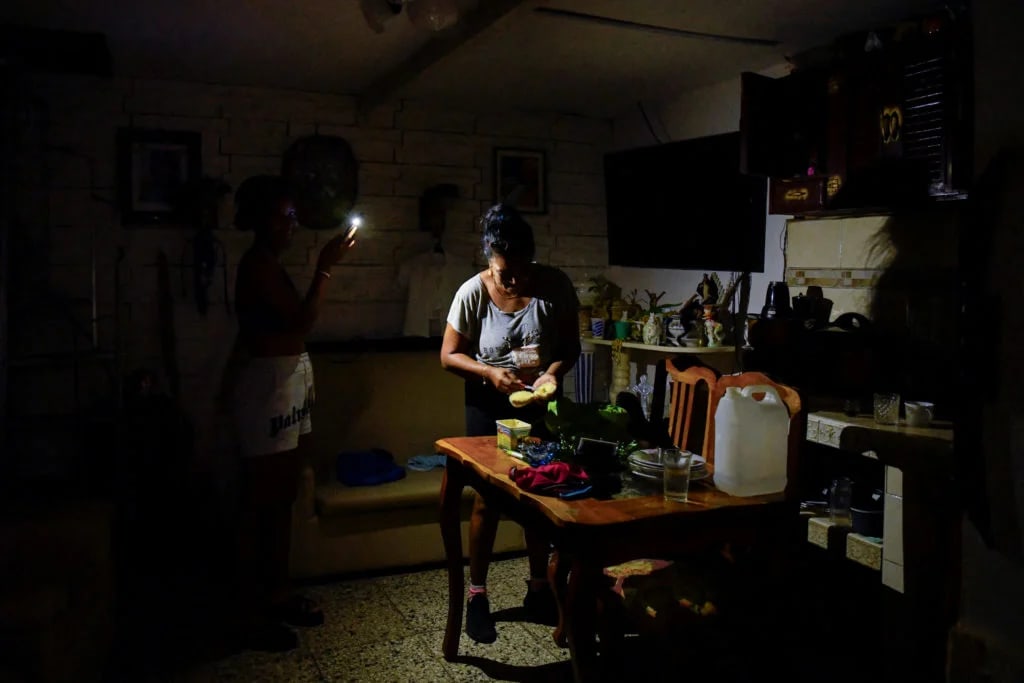
HAVANA — The Republic of Cuba suffered an unprecedented nationwide electrical collapse on Friday midday after the unexpected failure and emergency shutdown of the Antonio Guiteras thermoelectric power plant in Matanzas caused the total disconnection of the National Electric System (SEN), plunging the entire island of approximately ten million residents into sudden and absolute darkness.
The catastrophic grid collapse occurred just twenty-four hours after Prime Minister Manuel Marrero Cruz delivered an emergency televised address alongside energy ministry directors, announcing sweeping contingency measures that suspended all non-essential state activities, shuttered schools and universities through the weekend, and ordered cultural venues, bars, and industrial manufacturing plants to halt operations to preserve dwindling fuel reserves.
According to official reports released by state electrical utility Unión Eléctrica (UNE), technicians and power engineers were already battling a generation deficit exceeding fifty percent due to chronic fuel shipment delays, decrepit boiler infrastructure, and deferred maintenance across seven aged thermoelectric complexes. When the high-capacity Antonio Guiteras facility abruptly dropped offline at 11:00 a.m. local time, the sudden frequency imbalance tripped protective circuit breakers across all regional substations from Pinar del Río to Santiago de Cuba, causing an uncontainable cascading blackout.
In Havana and major provincial capitals, the electrical failure immediately paralyzed daily life, disabling municipal water distribution pumps, cutting traffic signal networks, and disrupting cellular communications. Families scrambled to secure charcoal and gas burners to cook perishable food reserves before refrigeration failed entirely in the oppressive tropical heat. President Miguel Díaz-Canel affirmed via social media that the country’s leadership would not rest until electrical connectivity was restored, ordering civil defense units and provincial energy brigades to prioritize auxiliary generators for public hospitals and water pumping facilities.
Energy analysts and international observers highlighted that the crisis is the culmination of structural economic bottlenecks compounded by tightened foreign currency constraints that prevent the procurement of crude oil shipments and essential spare parts. While emergency teams initiated delicate micro-system restarts across local generation hubs on Friday evening, officials cautioned that synchronizing the national grid will be an arduous, multi-day endeavor.
Regional humanitarian organizations expressed profound concern over the humanitarian repercussions for vulnerable pediatric and elderly populations, urging multilateral assistance to stabilize essential medical services and clean drinking water distribution across the Caribbean nation.
Reader Conversation
You must be logged in to post a comment.