Ecuador Faces Water Crisis as Glaciers Retreat

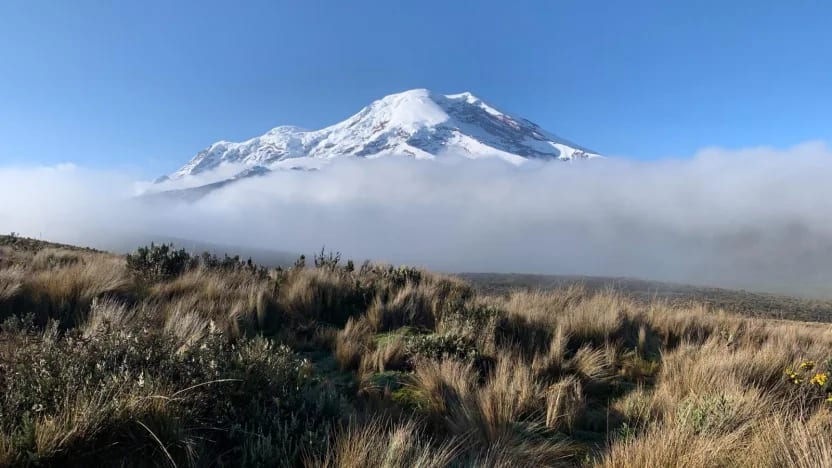
Quito: Ecuador faces an unprecedented water crisis caused by the rapid retreat of its Andean glaciers. The Cotopaxi, Antisana, and Chimborazo volcanoes have lost between 40% and 60% of their glacial surface in the last 30 years, affecting the drinking water supply for millions of people in the Ecuadorian highlands and threatening agricultural productivity in regions that depend on snowmelt for irrigation.
Quito, the capital with more than 2.9 million inhabitants, obtains a significant portion of its drinking water from the Antisana glacier system. Studies from the National Institute of Meteorology and Hydrology (INAMHI) project that, if the current trend continues, the country could face structural water deficits for 30% of its population in the next 15 years.
Agricultural Impact
The provinces of Cotopaxi, Tungurahua, and Chimborazo, known for their export production of flowers, broccoli, and potatoes, report a 22% decline in the flow of the rivers that supply them during dry months. Farmers have had to deepen wells and adopt drip irrigation systems to maintain production, increasing their costs and reducing their margins.
Ecuadorian flower production, which generates more than 800 million dollars annually in exports mainly to the United States and Europe, could be threatened in the medium term if urgent water adaptation measures are not taken.
Government Responses
President Daniel Noboa's government announced in March 2026 the National Water Adaptation Plan, with an investment of 340 million dollars to build storage reservoirs, modernize distribution systems, and support rural communities in the transition to less water-demanding crops. Reforestation programs in páramo zones were also launched, ecosystems that act as natural water sponges in the Andes.
Reader Conversation
You must be logged in to post a comment.