Ecuador Intensifies Anti-Drug Fight with US and Colombia

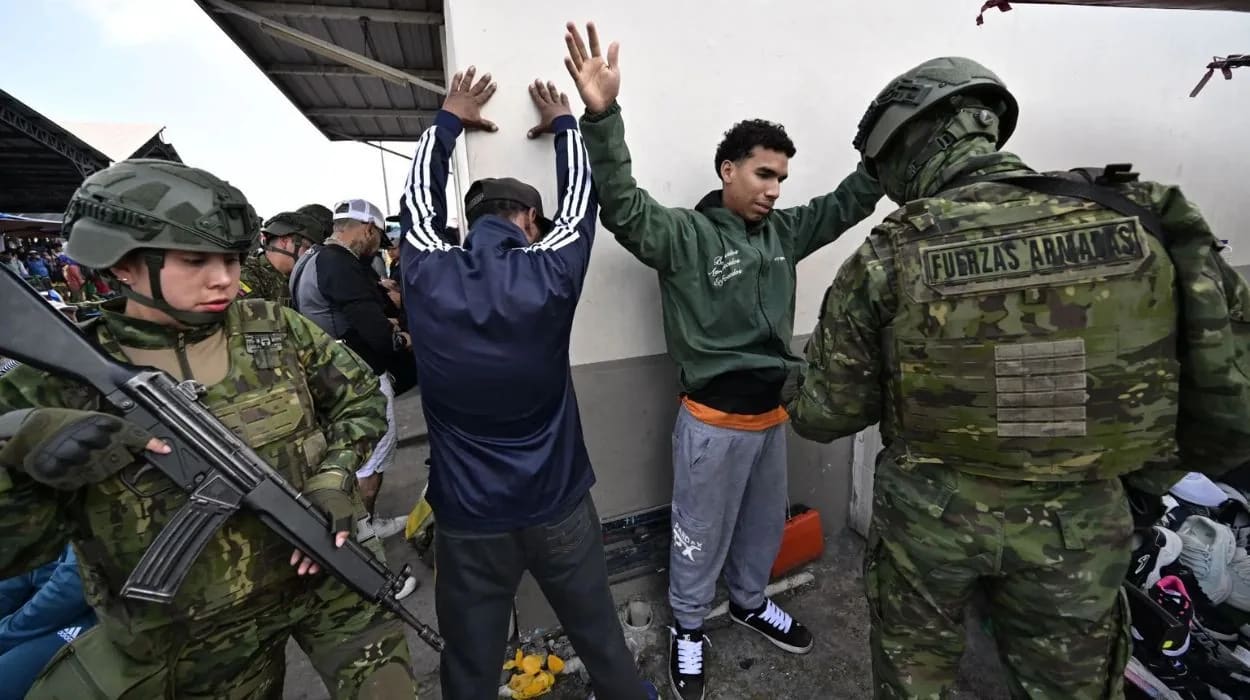
Quito: Ecuador, which in the last three years has emerged as a critical drug trafficking point in the region, intensified in 2026 its security strategy with the operational support of the United States and Colombia. President Daniel Noboa's government, which implemented an internal armed conflict strategy in 2024, reports mixed results: a 15% reduction in homicides in major cities, but persistent violence in ports and trafficking zones.
Ecuador is currently the main transit point for cocaine produced in Colombia toward US, European, and Asian markets. Its commercial openness, port infrastructure in Guayaquil and Esmeraldas, and the use of the dollar as national currency facilitate money laundering and the movement of drug trafficking funds.
Cooperation with the US and Colombia
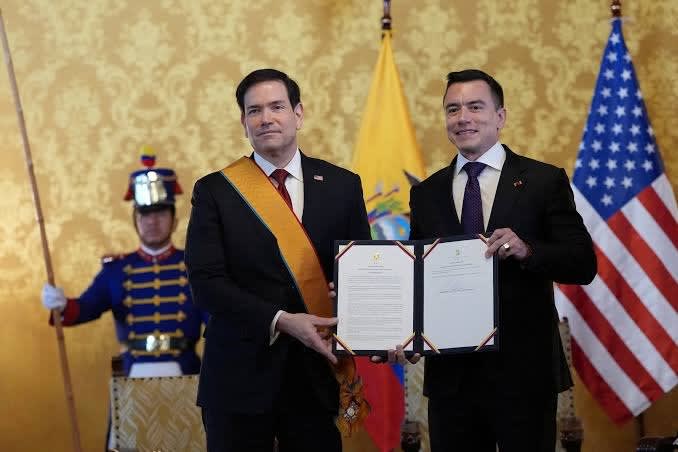
The United States has deployed DEA and Department of Defense advisors to support the training of Ecuadorian special forces. In March 2026, a joint operation with the Colombian Attorney General's office and the FBI dismantled a money laundering network operating from Cali and Quito, with assets seized for more than 45 million dollars.
Colombia, which deals with its own organized crime challenges, shared intelligence on trafficking routes and structures of criminal organizations operating in both countries. Bilateral collaboration has improved significantly since the new Colombian government adopted a more pragmatic stance on security.
The Prison Challenge
Ecuadorian prisons continue to be the system's main weakness. Prison massacres that cost more than 400 lives in 2021-2023 gave rise to a wave of reforms including the construction of new maximum-security facilities and the transfer of gang leaders to isolation prisons. However, the reconstitution of criminal structures inside penitentiaries continues to be an operational challenge.
Reader Conversation
You must be logged in to post a comment.