Former FARC Commander Enters Electoral Campaign in Colombias
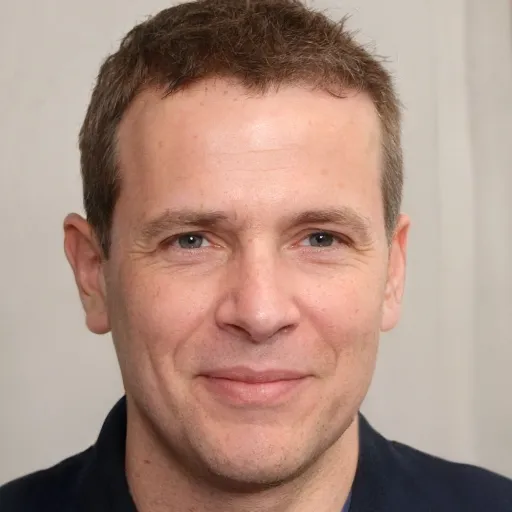
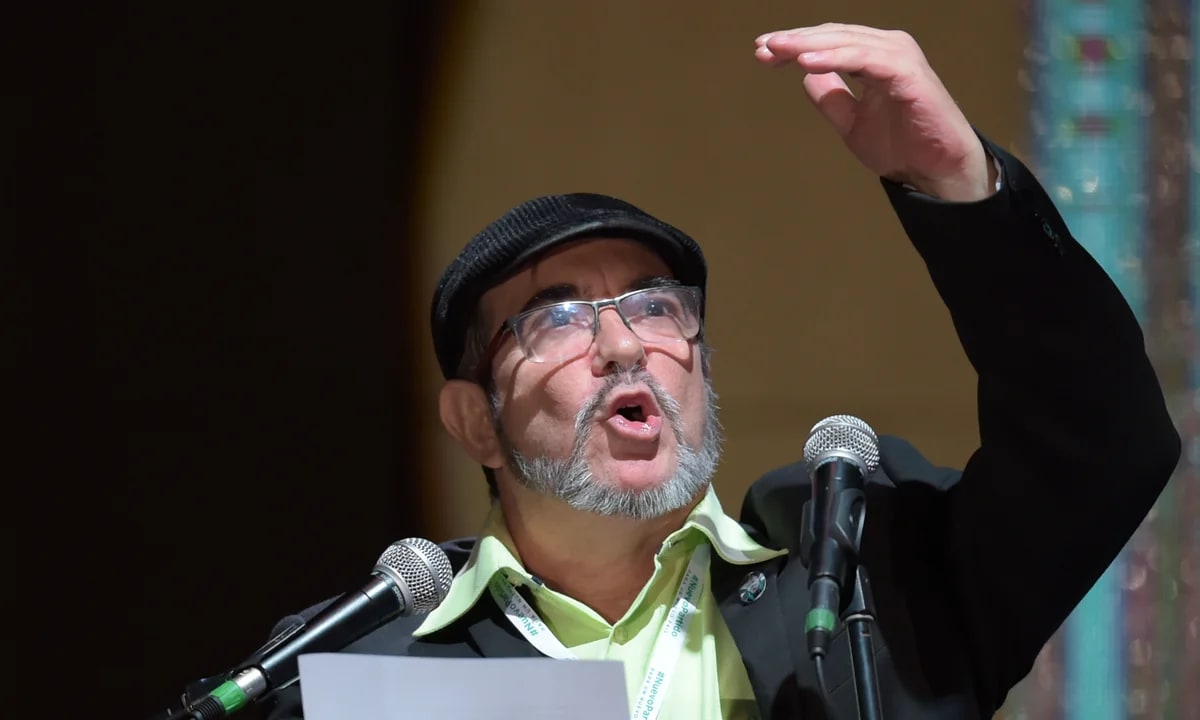
Bogotá: Ten years after the signing of the Peace Agreement between the Colombian government and the FARC, one of the former guerrilla commanders is running an electoral campaign to obtain a seat in Congress. Luis Albán, known in his guerrilla days by the alias Marcelo Cáceres, travels through municipalities of Cauca with campaign posters and speeches about rural development, an image that would have been unthinkable a decade ago.
His candidacy is a symbol of the long road traveled by the Colombian peace process, but also of its contradictions. Former FARC members who accepted the agreement are guaranteed ten years of special congressional seats, expiring precisely in 2026. Many of them are now seeking reelection through the ordinary channels of electoral democracy.
The Difficult Road of Reintegration
Running a political campaign as a former guerrilla in Colombia carries risks. More than 300 former FARC combatants have been killed since the agreement was signed, most in rural areas where the state has a weak presence and where dissident factions and other illegal armed groups compete for territorial control. The National Protection Unit assigns bodyguards to the most exposed figures, but resources are insufficient.
The Political Council of the Comunes party, the name under which the FARC became a political party, acknowledges that winning votes is infinitely more difficult than winning battles. Most Colombians associate the FARC name with decades of violence, kidnappings, and social harm. Rebuilding political credibility from that starting point requires time, consistency, and concrete results in the territories where they run.
Peace Agreement Balance at Ten Years
The 2016 Peace Agreement stopped an armed conflict that cost 220,000 lives over half a century. Its results are mixed: nearly 13,000 combatants were disarmed, reintegration and training zones were created, and kidnappings fell to historic lows. However, implementation of rural, truth, and transitional justice reforms has been slow, and FARC dissidents and the ELN continue to operate in multiple regions of the country.
Reader Conversation
You must be logged in to post a comment.