Global South Coalition at UN General Assembly Demands Comprehensive Reform of UN Security Council Governance

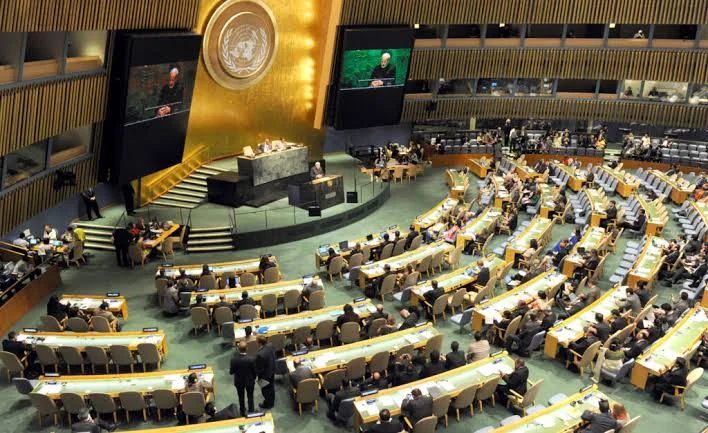
UNITED NATIONS: A powerful coalition of Latin American, African, and Asian nations at the 81st United Nations General Assembly in New York issued an urgent collective declaration demanding fundamental, long-overdue structural reform of the UN Security Council to reflect 21st-century geopolitical realities.
Convening alongside the General Debate during the 14th IBSA Ministerial Commission and Global South leaders' roundtables, representatives underscored that the post-World War II governance architecture has fostered institutional paralysis and failed to address ongoing humanitarian and security emergencies.
The joint resolution called for the expansion of both permanent and non-permanent Security Council seats to include equitable representation for Latin America and the Caribbean, Africa, and developing Asia.
Challenging the Veto Architecture and Institutional Stalemate
Delegates pointed to recent regional crises, climate financing blockades, and conflicts worldwide where the unrestricted exercise of the permanent veto has impeded timely multilateral action.
"An international governing council that excludes over two billion people in Latin America and Africa from permanent decision-making cannot claim moral legitimacy or practical effectiveness in resolving global conflicts," declared Brazilian Foreign Minister Mauro Vieira during the ministerial summit.
Key Demands of the Ministerial Resolution
The comprehensive reform document presented to General Assembly President outlines three core imperatives:
- Permanent Seat Expansion: Creating permanent representation for underrepresented regions, specifically allocating permanent seats to Latin America and Africa.
- Veto Restraint Mechanisms: Codifying strict guidelines and international accountability mechanisms to limit veto usage in situations involving mass atrocities and acute humanitarian crises.
- Enhanced General Assembly Authority: Strengthening the role of the 193-member General Assembly in reviewing peace operations, multilateral sanctions, and global governance mandates.
Diplomatic Momentum and Next Steps
Intergovernmental negotiations on Security Council reform are set to intensify during the upcoming plenary sessions in Geneva and New York, with regional blocs pledging coordinated voting strategies to build decisive supermajority consensus.

Reader Conversation
You must be logged in to post a comment.