Honduras Seeks to Exit Security Crisis with Police Reform

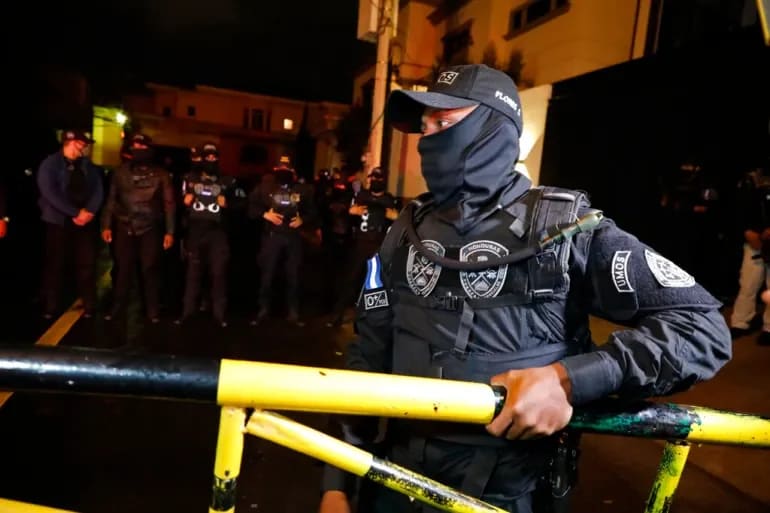
Tegucigalpa: Honduras, which registers a homicide rate of 31 per 100,000 inhabitants, remains one of the most violent countries in the region although it has improved from the historical highs of 80 per 100,000 a decade ago. President Xiomara Castro's government is advancing in 2026 with a deep police reform that seeks to purge corrupt institutions and rebuild public trust.
The reform, supported technically by the UN and financially by the European Union, includes the review of the background and records of more than 14,000 National Police officers. So far, more than 1,200 agents have been suspended or expelled for links to organized crime, extortion, or human rights violations. A Police Tribunal with civil society participation has also been created.
Gangs and Illegal Economy
The Mara Salvatrucha (MS-13) and Barrio 18 continue to operate in Honduras, although their power has fragmented. Gangs control local economies through extortion of businesses, transportation, and farmers. The government estimates that extortion generates more than 200 million dollars annually for criminal organizations, weakening the formal economy and driving businesses out of conflict zones.
A social reinsertion program supports former gang members who voluntarily disengage, offering technical training, employment, and relocation. The program, implemented with UNDP support, has benefited more than 4,000 people since its 2024 launch, with an 18% recidivism rate, considered low for this type of intervention.
The Role of the Diaspora
Remittances sent by the more than 900,000 Hondurans in the United States represent 25% of the country's GDP, being the main source of foreign currency. This dependence is both a strength, providing income to millions of families, and a vulnerability, since the country's fate is tied to US immigration policies.
Reader Conversation
You must be logged in to post a comment.