IMF Regional Economic Outlook Urges Latin America to Rebuild Fiscal Buffers and Accelerate Structural Productivity Reforms

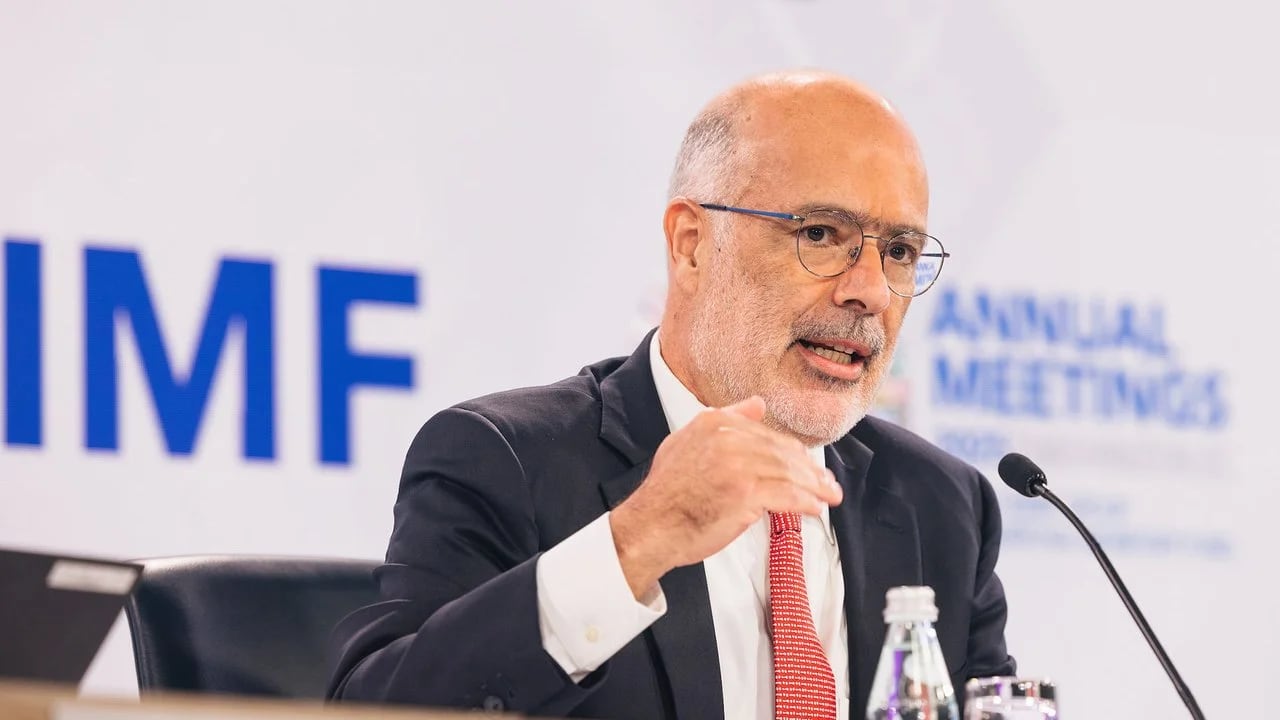
WASHINGTON / SANTIAGO — The International Monetary Fund (IMF) published its comprehensive autumn *Regional Economic Outlook: Western Hemisphere* during the IMF–World Bank Annual Meetings in Washington on Friday, presenting an economic assessment that projects Latin America and the Caribbean to achieve steady but modest GDP growth of 2.1 percent in 2024 and 2.5 percent in 2025.
Delivering the regional presentation, Rodrigo Valdés, Director of the IMF’s Western Hemisphere Department, commended the continent's central banks for their proactive monetary policy leadership, noting that aggressive early interest rate hikes successfully quelled post-pandemic inflationary surges far more rapidly than occurred in most developed economies. With headline inflation converging back within official central bank target ranges across Brazil, Chile, Colombia, Mexico, and Peru, monetary authorities are well positioned to continue measured interest rate easing to support domestic consumer demand.
However, the multilateral lender delivered an urgent warning regarding high sovereign debt trajectories and tightening fiscal space. The report underscored that average public debt across Latin America remains elevated at roughly sixty percent of regional GDP, compelling sovereign treasuries to allocate significant budgetary shares toward interest payments rather than essential public investments in climate adaptation, healthcare infrastructure, and quality education.
"The post-pandemic recovery phase has officially closed, and the region is returning to its historical growth potential, which unfortunately remains inadequate to significantly reduce poverty or meet citizen aspirations," Valdés emphasized. "Governments must urgently design credible, growth-friendly fiscal consolidation frameworks that lower public debt ratios while safeguarding targeted social safety nets for vulnerable households."
The IMF stressed that escaping the middle-income trap requires addressing chronic structural bottlenecks, including pervasive labor informality that affects nearly fifty percent of the workforce, burdensome administrative red tape that stifles tech startups, and underfunded STEM educational systems. The report highlighted that harnessing global nearshoring trends and accelerating green transition exports—such as lithium, copper, and clean hydrogen—represent extraordinary opportunities if supported by transparent legal governance and regulatory stability.
Finance ministers and central bank governors across Latin America convened on the sidelines of the Washington assemblies to discuss coordinated debt management strategies, agreeing that multilateral credit enhancements are essential to unlocking private institutional capital for climate-resilient infrastructure across the hemisphere.



Reader Conversation
You must be logged in to post a comment.