Latin American Healthcare Systems Face Strain as Out-of-Pocket Prescription Costs Rise Despite Universal Mandates
MEXICO CITY: Despite landmark constitutional reforms and expanded universal healthcare mandates across Latin America over the past decade, soaring out-of-pocket spending on prescription medications has emerged as an acute socioeconomic challenge, pushing millions of vulnerable households into medical debt and exposing severe structural bottlenecks in public pharmaceutical distribution.
A comprehensive regional study by the Pan American Health Organization (PAHO) and health economists reveals that out-of-pocket healthcare expenses in Latin America average 34% of total health expenditure—more than double the 15% threshold recommended by the World Health Organization to prevent catastrophic financial hardship.
The crisis is particularly severe for chronic disease patients battling diabetes, cardiovascular conditions, and oncological treatments, who frequently discover that despite having formal public insurance coverage, state clinics and hospital pharmacies are chronically out of stock of essential life-saving medications.
The Paradox of Coverage Without Medicine Access
Across major regional economies including Mexico, Brazil, Colombia, and Peru, governments have successfully enrolled over 90% of their populations in public health schemes such as IMSS-Bienestar, the SUS (Unified Health System), and EPS contributory networks.
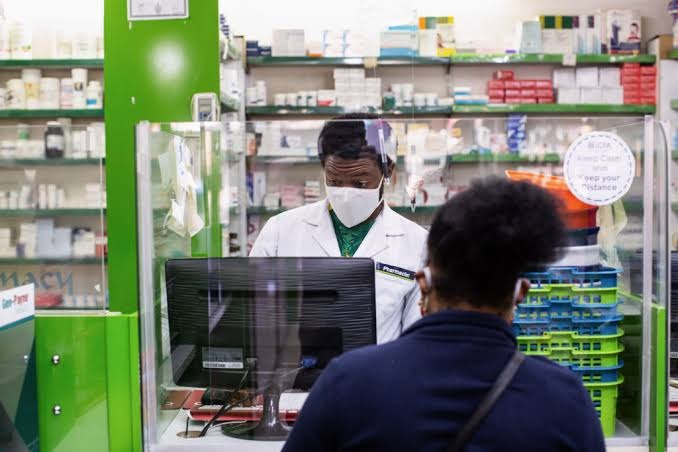
However, budget fragmentation, complex centralized procurement bidding delays, and supply chain inefficiencies mean that up to 40% of prescriptions written in public medical consultations must be filled at private commercial pharmacies at full retail price.
In Mexico and Central America, low-income families allocate upwards of 18% of their monthly household income solely to purchase basic insulin, antihypertensive therapies, and pain management drugs that are legally guaranteed under universal coverage charters.
Key Factors Driving the Medication Spending Crisis
Healthcare policy analysts and pharmaceutical economists identify several structural vulnerabilities exacerbating the regional medicine shortage:
- Fragmented Procurement Mechanisms: Public hospital systems frequently fail to leverage bulk-purchasing bargaining power, leading to delayed vendor contracts and localized pharmacy stockouts.
- Rising Chronic Disease Prevalence: Rapidly aging demographics and shifting dietary lifestyles have caused a dramatic surge in non-communicable diseases, creating relentless demand for daily maintenance pharmaceuticals.
- Patent and Biologic Monopolies: The high cost of imported specialty biologic drugs for cancer and autoimmune disorders absorbs an outsized portion of national pharmaceutical budgets, reducing funds available for essential primary care generic drugs.
- Underfunded Public Health Infrastructure: Regional public health budgets average just 3.8% of GDP, far below the 6% international benchmark established for sustainable universal health coverage.
Policy Pathways Toward Sustainable Pharmaceutical Equity
To counteract the escalating crisis, PAHO is assisting regional ministries in establishing pooled regional procurement funds, allowing multiple Latin American nations to negotiate lower bulk prices directly with international pharmaceutical manufacturers.
Health advocates are also demanding that governments expand state-backed generic medicine manufacturing, implement transparent digital inventory tracking from central warehouses down to neighborhood dispensaries, and establish emergency voucher programs that reimburse patients when public clinics lack prescribed medications.
Ensuring that universal health coverage translates into tangible, zero-cost access to essential medicine remains one of the most critical human rights and economic development tests facing Latin American democracies in the modern era.
Reader Conversation
You must be logged in to post a comment.