Venezuela Earthquake Survivors Face Growing Health Emergency as Hospitals Struggle and Disease Spreads
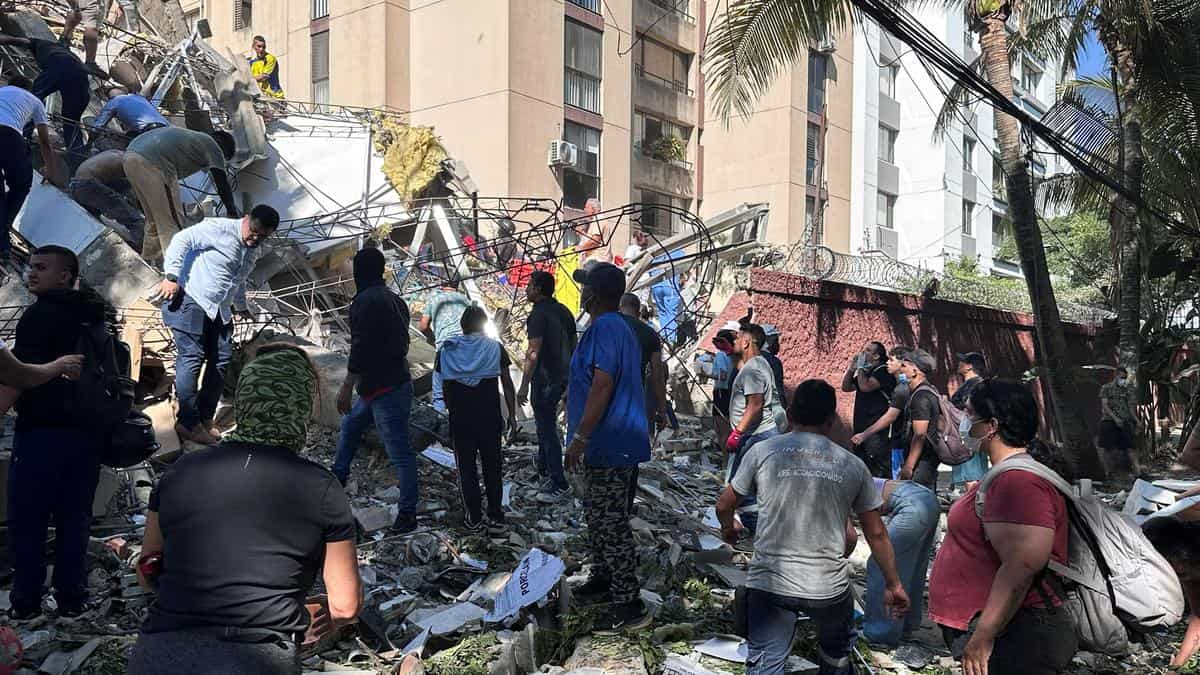
The initial rescue efforts that followed Venezuela's devastating earthquakes have now given way to a growing humanitarian emergency, as survivors face mounting health risks, damaged hospitals, shortages of medical supplies and a rise in preventable illnesses.
The powerful earthquakes that struck northern Venezuela left thousands of people dead, destroyed homes, displaced communities and caused severe disruption to essential services. However, health officials and aid organizations warn that survivors' conditions could trigger a wider public-health crisis as emergency teams continue their relief work.
While rescue teams searched for survivors among collapsed buildings, thousands of people were left without safe housing, drinking water, sanitation systems or regular access to medical care, facing a second wave of challenges after the disaster.
Rising Disease Risk in Displaced Communities
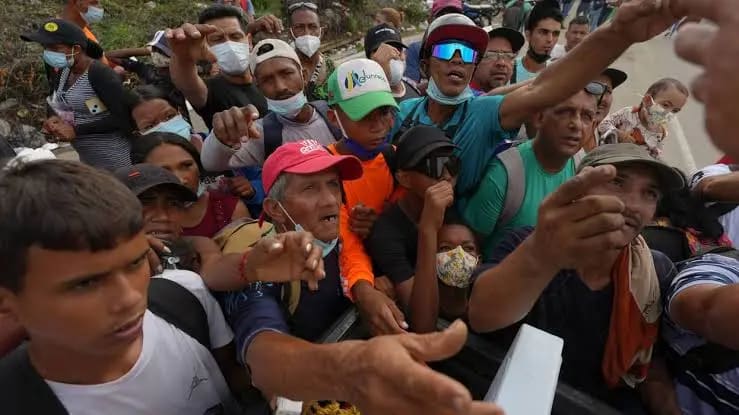
Overcrowding and poor sanitary conditions in temporary shelters, public spaces and makeshift camps, where many earthquake survivors now live, have raised the risk of disease outbreaks.
Health workers report seeing more cases of diarrhea, skin infections and other illnesses caused by difficult living conditions. The most vulnerable groups are children, older adults and people with pre-existing health conditions.
Aid organizations have warned that without rapid improvements, the lack of clean water and adequate sanitation systems could accelerate the spread of infectious diseases.
The situation is especially concerning in the hardest-hit regions, where thousands of people are forced to share limited resources while awaiting permanent housing solutions.
Hospitals Under Pressure
Venezuela's healthcare system was already struggling before the earthquakes, and the disaster has placed even greater pressure on health workers and hospitals.
Many medical centers have reported structural damage, while others have been overwhelmed by the arrival of large numbers of injured patients needing emergency care.
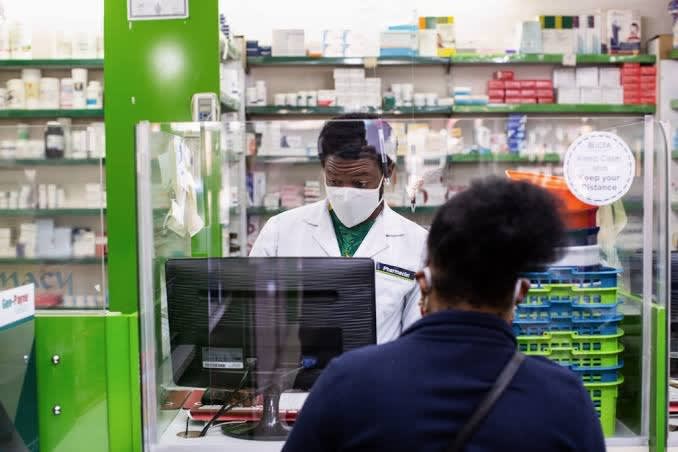
Medical teams say essential supplies are running low, infrastructure has been damaged and maintaining normal services is becoming increasingly difficult. International health bodies indicated that some hospitals in the affected areas need urgent help to keep treating patients.
The crisis has also affected people with chronic conditions such as diabetes and hypertension, who are struggling to access their usual medications and medical check-ups.
A Rise in Chronic Illness
While injuries caused by the earthquakes were addressed immediately during rescue operations, humanitarian workers say chronic illnesses are increasingly becoming a serious problem.
Many displaced residents lost access to medications, medical records and routine healthcare services when their homes were damaged or destroyed.
Doctors have warned that interruptions in treatment could lead to serious complications for people living with long-term illnesses.
This reflects a broader problem following major disasters: the emergency response cannot focus solely on traumatic injuries, but must also address survivors' ongoing healthcare needs.
UN Seeks Greater International Support
The United Nations and humanitarian organizations have called for greater international support for Venezuela's recovery.
UN aid officials said the crisis requires more than immediate emergency supplies. Long-term support is needed to restore health services, rebuild affected communities and ensure safe living conditions for displaced families.
The United Nations has launched a major humanitarian appeal to support affected populations, while international organizations continue delivering medical supplies, water assistance, shelter materials and other essential resources.
International Relief Efforts Expand
The earthquakes have prompted expanded assistance from several international organizations.
UNICEF provided emergency health kits, water-purification equipment and support materials for children and families affected by the disaster.
Health organizations have also taken part in disease prevention, supporting vaccination campaigns, providing medical assistance and strengthening the capacity of local health systems.
Aid groups say coordination between international organizations and local teams will be essential as Venezuela moves from emergency response to reconstruction.
Political Obstacles Complicate Aid Efforts
The humanitarian response is unfolding amid Venezuela's ongoing political and economic crisis.
International officials have said cooperation is necessary to ensure aid reaches the communities hardest hit by the disaster.
UN humanitarian chief Tom Fletcher has called for assistance to continue, noting that recovery must not be limited to the emergency phase alone.
The disaster has created a rare moment in which the need for humanitarian coordination has temporarily overridden political divisions.
Water and Sanitation Remain Top Priorities
The biggest concern for health officials is access to safe drinking water.
Many communities have struggled to maintain sanitation standards because of the damage the earthquakes caused to infrastructure.
Health experts warn that without reliable access to clean water, cases of gastrointestinal infections and other illnesses could rise.
Humanitarian agencies remain in emergency response mode, distributing water, installing sanitation systems and supporting hygiene measures.
Long-Term Investment Needed for Recovery
Officials say rebuilding Venezuela after the earthquakes will require substantial investment and coordination.
Authorities will need to do more than repair damaged buildings. Health centers will need to be rebuilt, emergency systems strengthened, and communities whose homes and livelihoods were destroyed will need support.
The International Monetary Fund has also examined possible ways to provide financial assistance to cover urgent earthquake-related needs.
Experts say recovery could take years, particularly in places where infrastructure was already vulnerable before the disaster.
A Humanitarian Crisis Beyond the Earthquake Damage
Venezuela's earthquake disaster has grown beyond building destruction and rescue operations.
The next challenge will be protecting survivors from preventable health emergencies while essential services are rebuilt.
Thousands of people remain displaced, hospitals remain overburdened, and humanitarian groups continue working to prevent a second crisis.
The road to recovery in Venezuela will be difficult, and international support and coordination will be decisive factors in how quickly affected communities can rebuild their lives.
Reader Conversation
You must be logged in to post a comment.