Nicaragua Holds Contested Elections Under Observer Watch

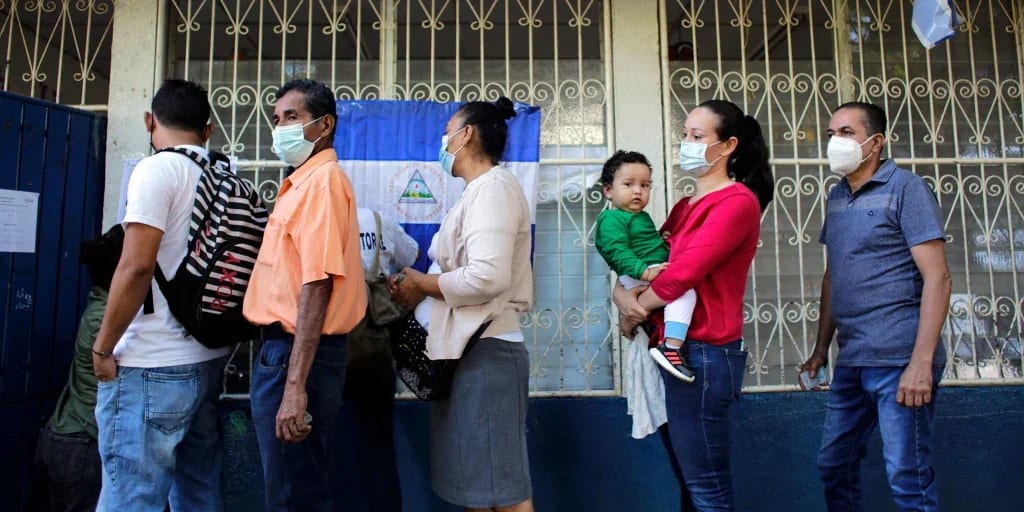
Managua: Nicaragua held municipal elections in March 2026 under a political system that international observers describe as highly restrictive. President Daniel Ortega's government, which has been in power since 2007 with only one interruption, has eliminated in recent years virtually all political opposition through imprisonments, forced exiles, and party cancellations.
The European Union, which keeps Nicaragua on its sanctions regime list for human rights violations, did not send an official observer mission. The OAS also did not participate in supervising the process. The only organizations present were observer missions from countries allied to the government like Cuba, Venezuela, and Russia, which undermines the independent credibility of the process.
The Opposition in Exile
Hundreds of Nicaraguan political leaders, journalists, intellectuals, and activists live in exile, mainly in Costa Rica, the United States, Spain, and Argentina. From abroad, they coordinate campaigns of denunciation and international pressure, but acknowledge that their ability to influence domestic politics is limited while Ortega controls all branches of the state.
The Nicaraguan government keeps the country at Level 3 of the US State Department security scale, not for street crime but for political repression, restrictions on civil liberties, and arbitrary detention of foreigners and locals. Traveling to Nicaragua entails legal and political risks that few tourists are willing to assume, which has dramatically depressed the tourism sector.
Economy and Isolation
The international isolation has a real economic cost for Nicaragua. Foreign direct investment fell 40% between 2022 and 2025, and remittances from the diaspora are the main support of the economy. Nicaragua's GDP per capita is the second lowest in Central America, after Haiti.
Reader Conversation
You must be logged in to post a comment.