Pan American Health Organization Deploys Regional Emergency Response Protocols Against Climate-Induced Disease Surges

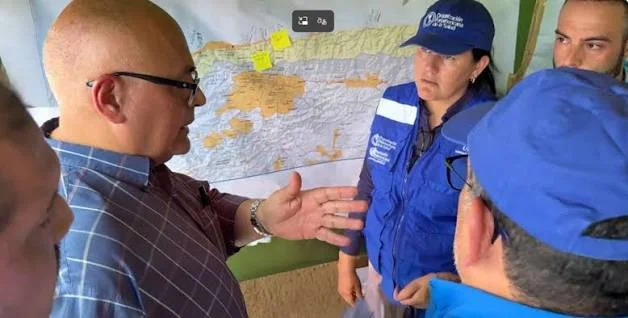
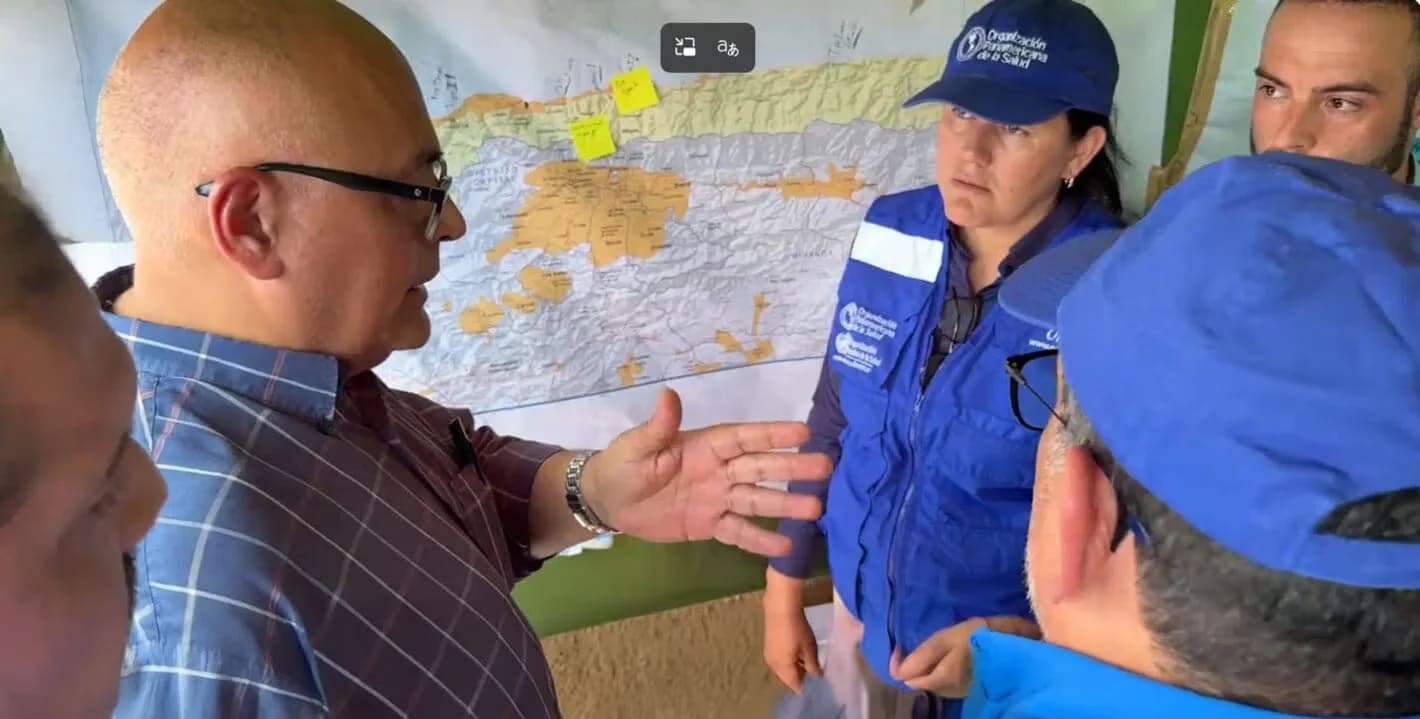
WASHINGTON: The Pan American Health Organization (PAHO) has activated its highest level of regional emergency coordination protocols, mobilizing multi-country epidemiological response teams, mobile diagnostic clinics, and emergency medical stockpiles to support health ministries confronting climate-driven vector-borne disease outbreaks across Central and South America.
The coordinated mobilization—coordinated through PAHO's Strategic Health Operations Centre in Washington—follows unseasonably intense El Niño heatwaves and irregular precipitation patterns that have created optimal breeding conditions for *Aedes aegypti* mosquitoes in densely populated urban and peri-urban settlements.
Health authorities in Colombia, Peru, Honduras, Brazil, and Guatemala are receiving direct technical assistance, specialized diagnostic reagents, and high-flow rehydration supplies to ensure primary healthcare clinics effectively triage and manage acute viral fever cases.
Innovative Surveillance and Biological Vector Control Scale-Up
A cornerstone of the emergency response is the rapid deployment of digital early-warning tools and innovative biological vector control techniques.
In urban outbreak epicenters, regional health brigades are integrating real-time genomic viral sequencing with automated community releases of *Wolbachia*-carrying mosquitoes, a proven biological method that blocks mosquitoes from transmitting dengue and chikungunya to humans.
"Climate variability is directly accelerating vector-borne disease dynamics across the Americas," emphasized PAHO Director Dr. Jarbas Barbosa during an emergency epidemiological briefing. "Our unified response combines traditional clinical readiness with cutting-edge biotechnology to save lives and prevent hospital systems from becoming overwhelmed."
Key Action Areas of the PAHO Emergency Mobilization
The regional health operation focuses on four immediate operational lines:
- Mobile Diagnostic & Clinical Triage Vans: Deploying solar-powered mobile health units to deliver rapid antigen testing and intravenous rehydration in remote communities.
- Pre-Positioned Medical Stockpiles: Distributing 500,000 rapid diagnostic kits, oral electrolytes, and specialized intravenous fluids from strategic logistics hubs in Panama and Barbados.
- Clinical Training for Frontline Staff: Conducting virtual masterclasses for 65,000 emergency nurses and physicians on early identification of severe shock syndrome warning signs.
- Community Clean-Up & Water Container Sealing: Mobilizing neighborhood sanitation brigades to eliminate standing water breeding sites in residential areas.
Strengthening Long-Term Health Infrastructure
PAHO called upon international development partners to reinforce long-term investments in municipal piped water networks and climate-resilient primary healthcare clinics to permanently eliminate community vulnerability to vector-borne epidemics.
Reader Conversation
You must be logged in to post a comment.