PAHO Commemorates 50th Anniversary of Regional Disaster Response Program with New Pandemic Preparedness Accord

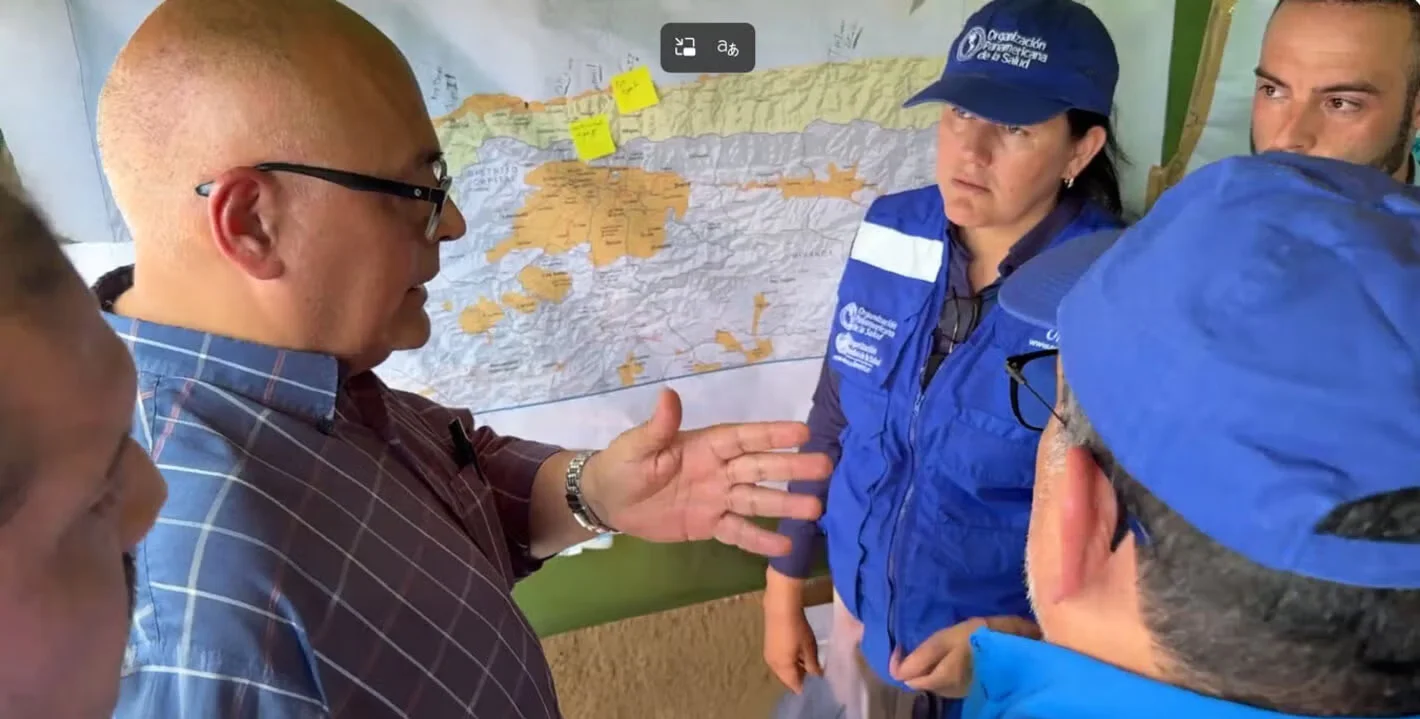
WASHINGTON: The Pan American Health Organization (PAHO) commemorated the 50th anniversary of its Health Emergencies and Disaster Response program during the 61st Directing Council meeting, bringing together health ministers and medical authorities from across North, Central, and South America.
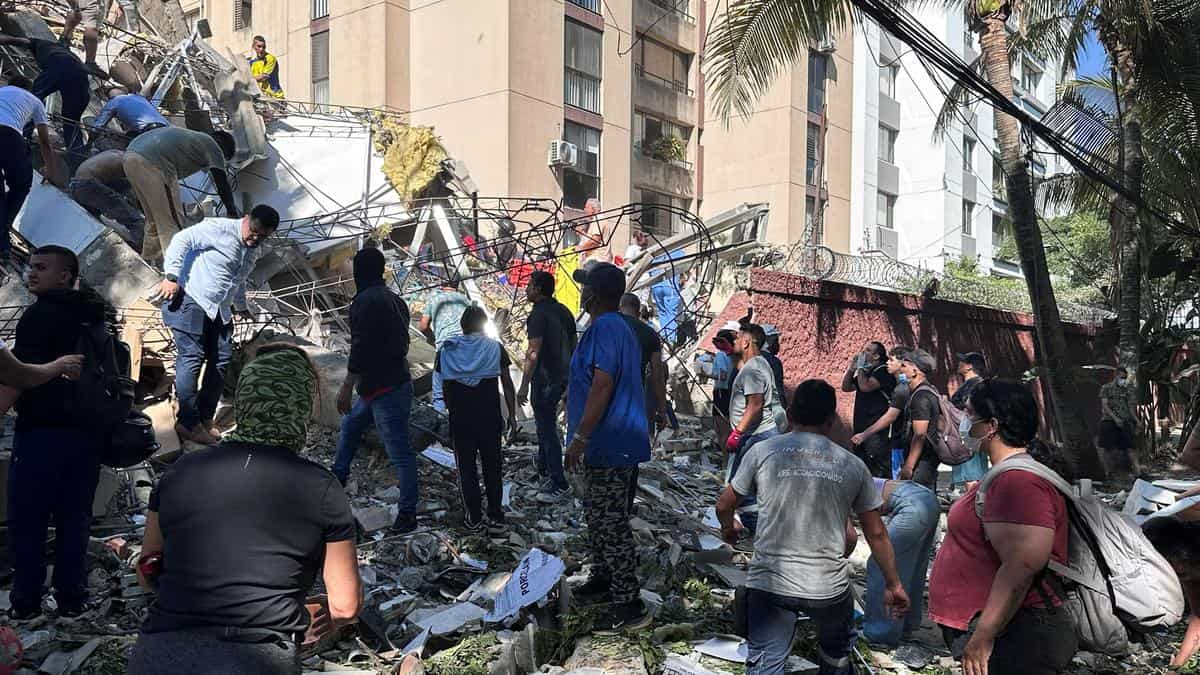
Since its establishment in 1976 following devastating regional earthquakes and epidemics, PAHO’s emergency response division has coordinated rapid medical deployments, disease containment protocols, and humanitarian supply corridors during hundreds of public health crises throughout the Americas.
To mark the milestone, member states unanimously approved the "Washington Declaration on Resilient Health Systems," a binding strategic roadmap establishing a unified regional emergency stockpile and real-time viral genomic surveillance network.
Lessons from Half a Century of Health Emergencies
During the opening plenary, PAHO Director Dr. Jarbas Barbosa reflected on the historic evolution of regional cooperation, from cholera eradication and yellow fever immunization drives to confronting recent dengue outbreaks and respiratory pandemics.
"Over fifty years, our region has demonstrated that solidarity, shared scientific evidence, and cross-border medical cooperation save lives when catastrophe strikes," Dr. Barbosa stated. "Today we reaffirm that preparedness is not an optional cost, but the most vital investment for our societies' security and prosperity."
Key Provisions of the New Health Agreement
The newly adopted declaration outlines concrete operational enhancements for the 2026–2030 period:
- Regional Vaccine & Therapeutic Manufacturing: Accelerating decentralized vaccine mRNA production hubs in Colombia, Brazil, and Argentina to reduce import dependency.
- Pan-American Genomic Surveillance: Linking national public health laboratories through a real-time digital sequencing platform to detect emergent zoonotic and vector-borne pathogens.
- Strategic Medical Supply Depots: Establishing pre-positioned emergency medical stockpiles in Panama and Barbados for rapid air delivery within 24 hours of natural disasters.
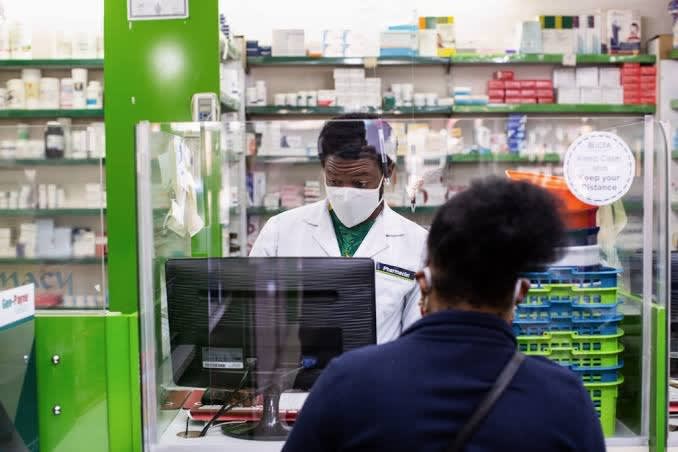
- Community-Level Primary Care Resilience: Investing in climate-resilient hospital infrastructure and training 50,000 frontline community healthcare workers in disaster triage.
Advancing Health Equity Across the Americas
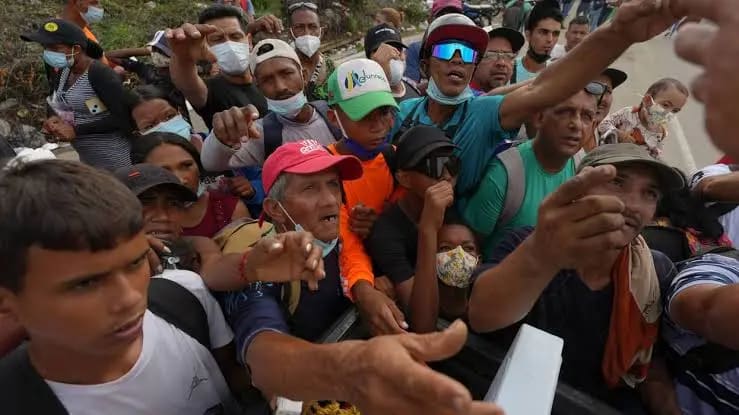
Health ministers emphasized that future preparedness must guarantee equitable access to life-saving diagnostics and treatments for remote, indigenous, and economically marginalized populations across the continent.
Reader Conversation
You must be logged in to post a comment.