Latin American Health Authorities Expand Innovative Bio-Control and Digital Clinics to Halt Vector-Borne Diseases

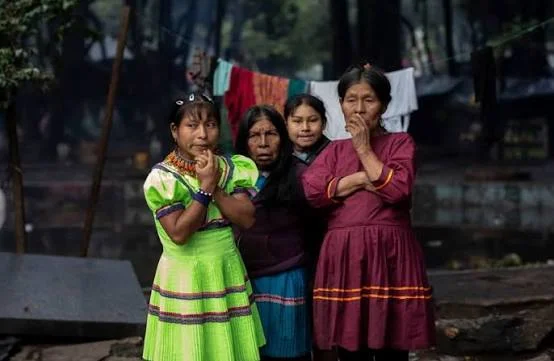
MEDELLÍN: Public health institutes and municipal epidemiologists from seven Latin American nations announced the largest unified scale-up of biological mosquito control and digital disease surveillance in the region's history, aiming to decisively curb transmission rates of dengue, Zika, and chikungunya across urban centers.
Convening at the Latin American Vector-Borne Disease Summit in Medellín, health authorities from Colombia, Brazil, Mexico, Honduras, and Peru unveiled operational agreements to expand the deployment of *Wolbachia*-carrying *Aedes aegypti* mosquitoes across fifty-five densely populated metropolitan municipalities.
The biological method—which involves releasing mosquitoes carrying naturally occurring *Wolbachia* bacteria that block viruses from replicating and transmitting to humans—has demonstrated disease reduction rates exceeding 85 percent in extensive pilot zones in Niterói, Belo Horizonte, and the Aburrá Valley.
Integrating Advanced Biotechnology with AI Epidemiological Tracking
Alongside bio-control releases, regional health ministries are integrating AI-driven predictive modeling platforms developed by local universities and PAHO technical teams.
The cloud platform cross-references real-time meteorological sensor data, satellite soil moisture tracking, and emergency room fever triage logs to predict localized neighborhood outbreak clusters up to fourteen days before clinical surges occur.
"Biological vector control represents a paradigm shift from reactive pesticide spraying toward sustainable, self-sustaining community protection," explained Dr. Carlos Restrepo, Lead Epidemiologist at the National Institute of Health.
Key Components of the Expanded Regional Health Plan
The multilateral health strategy incorporates four synchronized intervention lines:
- Large-Scale Bio-Factory Production: Expanding automated mosquito breeding bio-factories in Medellín and Rio de Janeiro capable of producing 100 million *Wolbachia* mosquitoes weekly.
- Community Engagement & Citizen Science: Mobilizing neighborhood health committees and schools to host release capsules and monitor community rain containers.
- Mobile Fever Clinics & Rapid Antigen Testing: Deploying solar-powered mobile diagnostic vans to provide immediate point-of-care serology testing in remote neighborhoods.
- Vaccine Rollout Integration: Combining vector control with prioritized targeted immunization campaigns for high-risk school-age populations.
Long-Term Public Health Benefits and Environmental Impact
Regional health economists project that widespread biological vector control will save Latin American public health systems more than $650 million annually in avoided hospitalization costs, intensive care treatments, and lost workforce productivity.

Reader Conversation
You must be logged in to post a comment.