Peru Holds Elections with Fujimori Leading, Runoff Expected

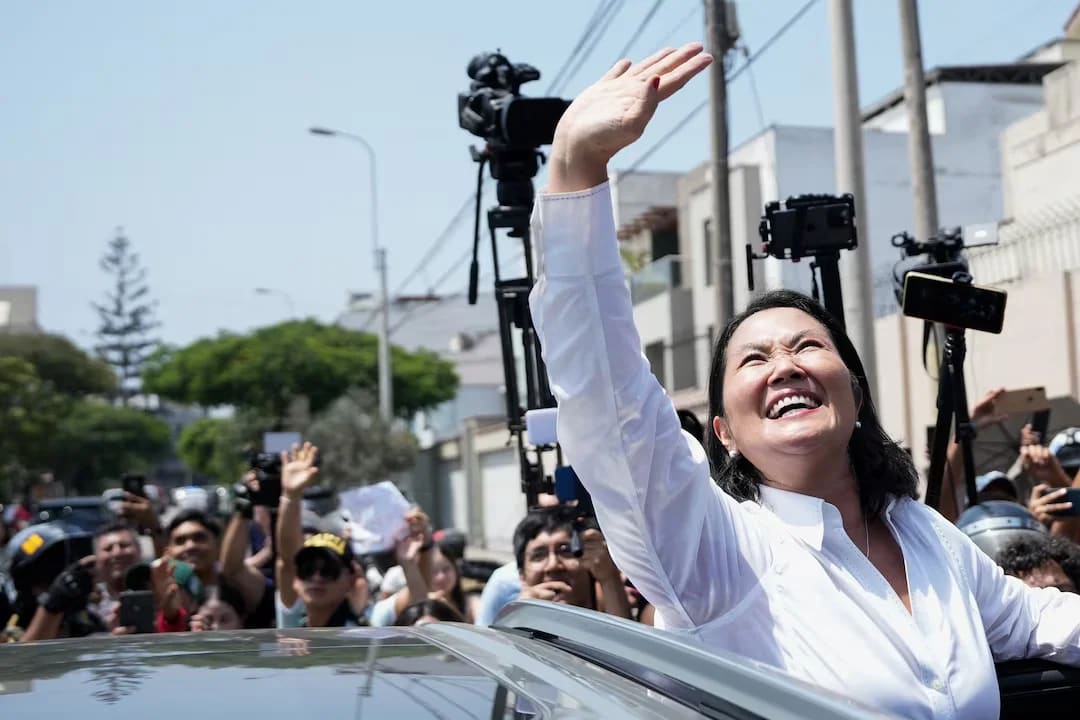
Lima: Peru held its presidential and legislative elections on Sunday, April 12 and Monday, April 13, 2026, in a process marked by political uncertainty and the presence of a record 34 registered presidential candidates. The polls also determined the composition of Congress, which returns to a bicameral system with a 60-seat Senate and 130-seat Chamber of Deputies.
Keiko Fujimori, competing for the presidency for the fourth time at the helm of the right-wing Popular Force party, quickly emerged as the most voted candidate in the first round. According to partial data from the National Office of Electoral Processes (ONPE), Fujimori led the race with approximately 13% of votes in pre-election polls published by Bloomberg. Center-left candidate Roberto Sánchez disputed second and third place with former Lima Mayor Rafael López Aliaga.
Irregularities and Controversies
The process was accompanied by controversies. Dozens of voting booths were delivered late or did not reach their destinations, leaving more than 50,000 people unable to vote in certain districts. Reports from Chile, where approximately 113,000 Peruvians reside, noted long waits and delays of up to five hours to enter voting centers. ONPE chief Piero Corvetto resigned and faced investigations related to irregularities in the implementation of the first round.
Political Context and Second Round
Former President José Jerí was removed by Congress in February 2026 through a censure motion, the latest in a long chain of Peruvian political instability. The second round is scheduled for June 7, 2026. The European Union Electoral Observation Mission, comprising 150 members, and 90 OAS representatives supervised the process. Political analysts note that the next president will need to manage pressure from the Trump administration, which has warned against Peru abandoning trade cooperation agreements.
Reader Conversation
You must be logged in to post a comment.