São Paulo International Art Biennale Opens with Groundbreaking Focus on Amazonian Cosmologies and Ecological Memory
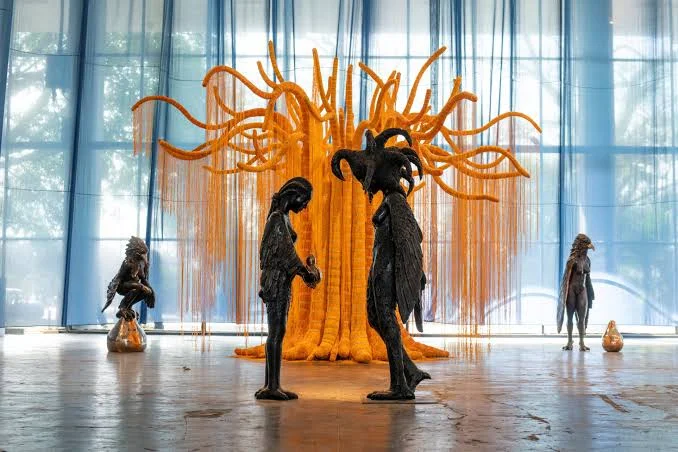
SÃO PAULO: The 36th São Paulo International Art Biennale—one of the world’s oldest and most influential contemporary cultural exhibitions—formally inaugurated its global showcase at the monumental Oscar Niemeyer-designed Pavilhão Ciccillo Matarazzo in Ibirapuera Park, presenting a transformative curatorial vision centered on ecological memory, indigenous cosmologies, and planetary repair.
Titled *Earth Speaks: Memory, Water, and Forest*, this year's edition brings together more than 120 acclaimed artists and collective indigenous studios from thirty-five countries across Latin America, Africa, Oceania, and the Caribbean.
The exhibition marks a historic milestone in international curation, with over forty percent of featured installations created by indigenous Amazonian, Andean, and Afro-diasporic creators whose works challenge conventional Western aesthetic categories.
Living Installations and Ancestral Cosmologies
Occupying over 30,000 square meters of exhibition space, the Biennale features immersive audiovisual installations, monumental bio-sculptures constructed from sustainable Amazonian fibers and soils, and living botanical soundscapes.
Among the most celebrated highlights is Yanomami visual artist and shaman Davi Kopenawa's collaborative spatial installation *Urihi A*, which integrates sacred chants, ritual body adornments, and large-format bark paintings depicting the spirits of the forest.
"This Biennale is not merely an aesthetic exhibition; it is an active ceremonial gathering where ancestral knowledge and artistic creation converge to demand the physical and spiritual defense of the Earth," remarked Co-Curator Manuel Borja-Villel during the opening ceremony.
Key Themes and Curatorial Highlights
International art critics and cultural historians praise several defining thematic axes:
- Biocultural Architecture & Spatial Memory: Architectural installations exploring ancestral floodplain engineering and non-extractive dwelling designs.
- Sonic Ecology & River Archives: Acoustic sound installations mapping underwater hydrophone recordings from the Amazon, Paraná, and Magdalena rivers.
- Textile Cartographies of Resistance: Large-scale woven tapestries illustrating ancestral indigenous land demarcation maps and astronomical constellations.
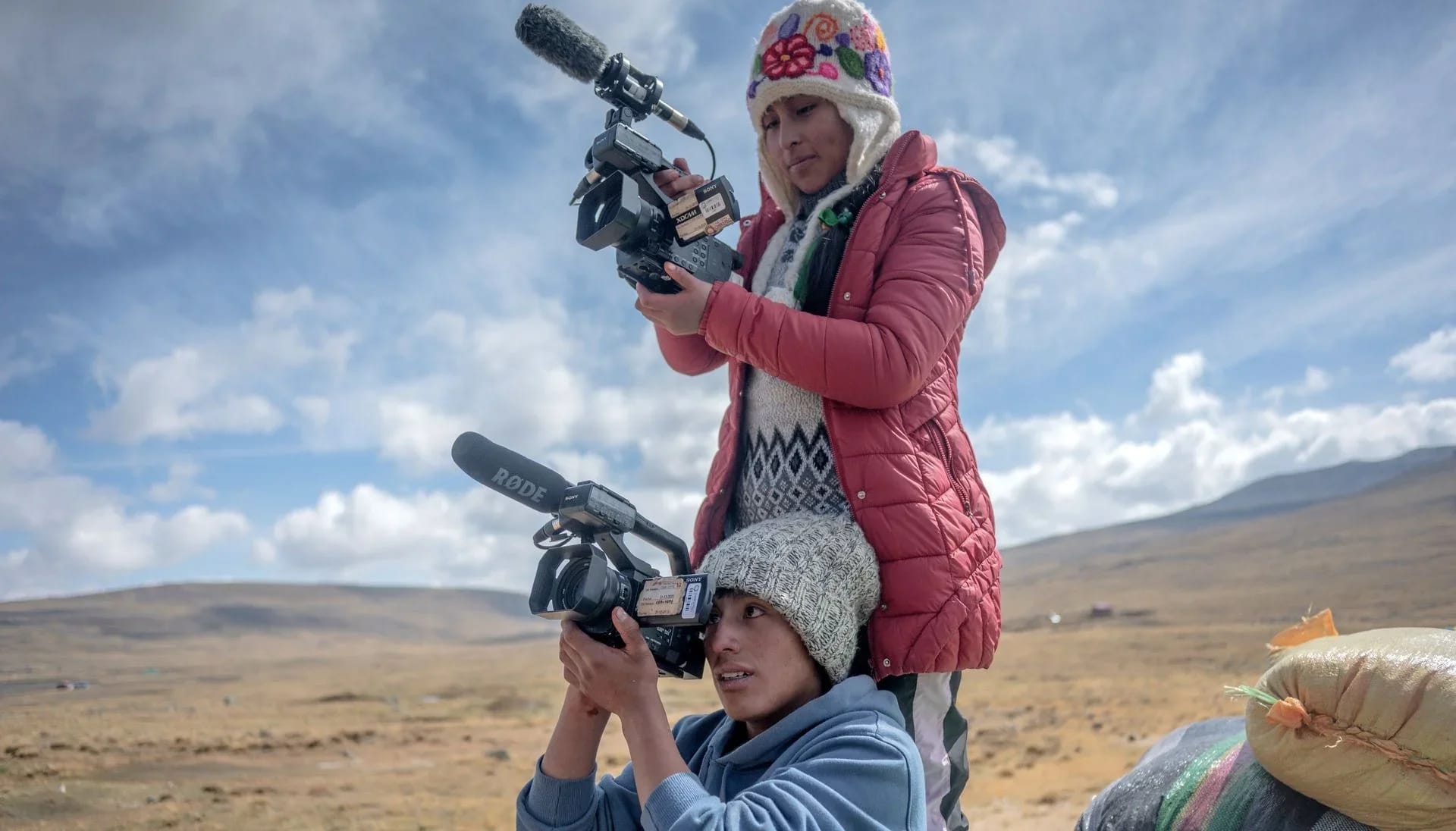
- Decolonial Cinema and Experimental Video: Continuous screenings of indigenous-led documentary essays exploring memory, migration, and ritual healing.
Global Engagement and Educational Programs
The Fundação Bienal announced that the exhibition will remain open to the public free of charge through mid-December, accompanied by an extensive educational outreach program welcoming over 300,000 public school students from across Brazil.
Reader Conversation
You must be logged in to post a comment.