South American Indigenous Leaders and Human Rights Defenders Forge Historic Transnational Environmental Pact

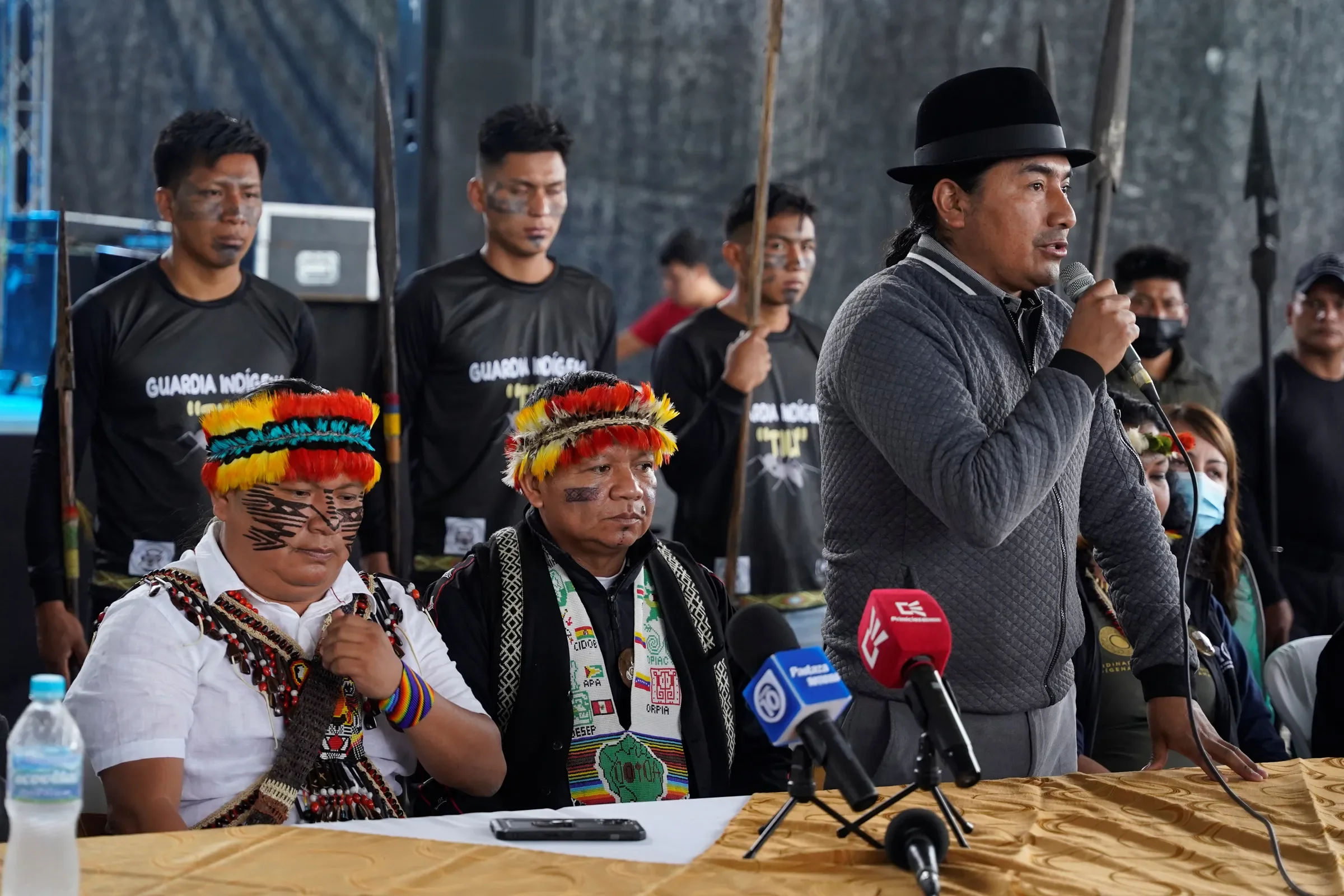
BOGOTÁ: In an unprecedented demonstration of grassroots solidarity, indigenous leaders, legal advocates, and environmental defenders representing forty-two native nations across Colombia, Brazil, Peru, Ecuador, Bolivia, Guyana, and Suriname signed the "Bogotá Charter for Territorial Defense and Life," establishing the continent's first fully integrated transnational legal protection network.
Convened in the Colombian capital following three days of intensive deliberations, the historic alliance establishes rapid-response legal defense teams, shared satellite territory monitoring grids, and mutual security protocols to protect frontline community defenders facing threats from illegal gold mining, illicit timber logging, and land-grabbing cartels.
The agreement comes amid rising concerns over violence directed against environmental stewards in South America, which remains one of the most perilous regions globally for territorial defense.
Operationalizing the Escazú Agreement at the Grassroots Level
A centerpiece of the newly formed charter is the direct operationalization of the Escazú Agreement—the groundbreaking regional environmental treaty guaranteeing public participation, environmental information access, and legal protections for human rights defenders in environmental matters.
The network will maintain permanent liaison offices in Bogotá and Manaus, coordinating directly with the Inter-American Commission on Human Rights (IACHR) to issue emergency precautionary measure requests for threatened community leaders.
"Our ancestral borders transcend national frontiers, and our collective struggle to defend the Amazon biome requires unified, borderless legal resistance," declared Fany Kuiru, General Coordinator of COICA.
Four Core Pillars of the Territorial Accord
The multilateral indigenous pact outlines four immediate operational mechanisms:
- Community Satellite & Drone Surveillance: Deploying community-operated drones and real-time geospatial satellite alerts to document illegal deforestation and mercury contamination.
- Cross-Border Legal Defense Fund: Creating an emergency fund to provide pro-bono human rights attorneys and emergency relocation assistance for at-risk guardians.
- Traditional Ecological Knowledge Preservation: Establishing intercultural biocultural databases documenting ancestral botanical knowledge and water stewardship.
- Direct Dialogue with State Prosecutors: Establishing institutional working tables with national attorney generals to eliminate impunity for environmental crimes.
International Support and Implementation
Multilateral human rights organizations and philanthropic climate funds pledged $35 million in direct technical and financial support over the next four years to ensure the operational autonomy of the indigenous defense network.



Reader Conversation
You must be logged in to post a comment.