Trump Launches Anti-Cartel Coalition, Warns Cuba Is Next
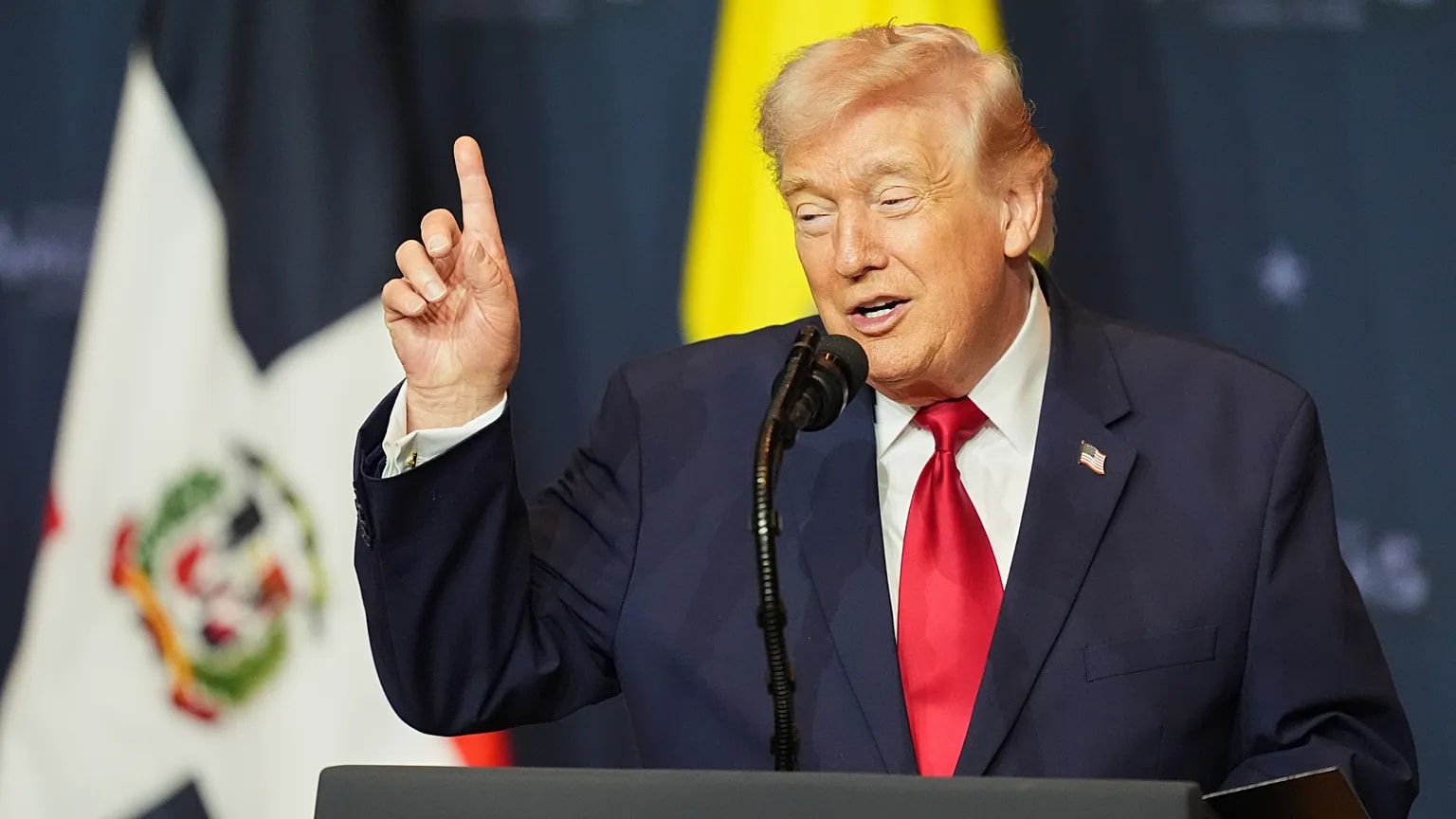
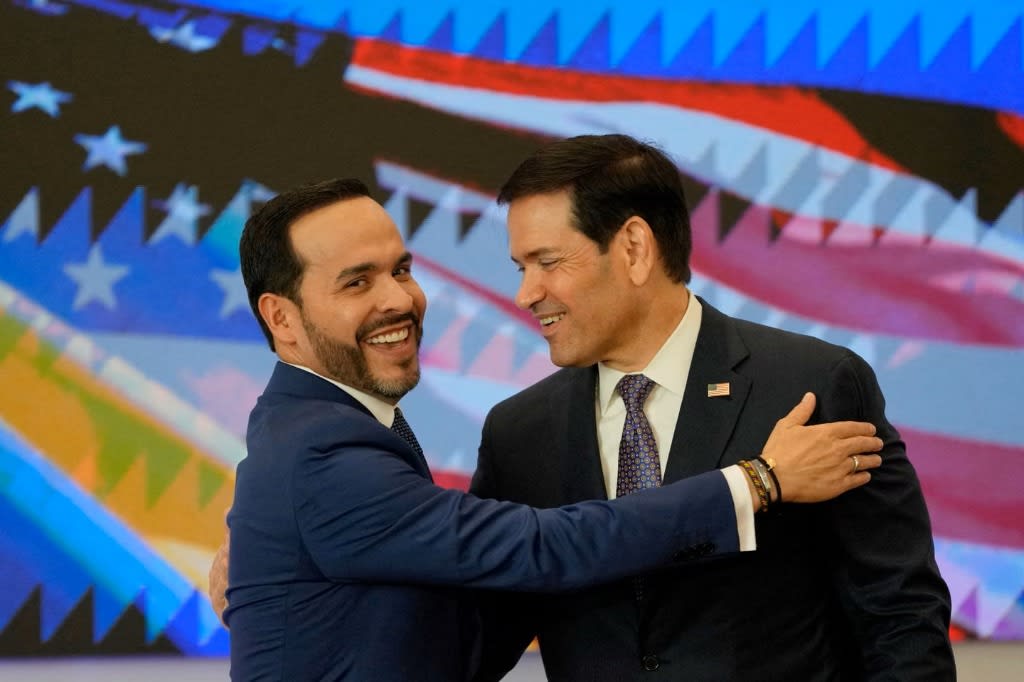
Doral, Florida: US President Donald Trump announced on Saturday, March 7, 2026, at Doral Airport in the Miami metropolitan area, the creation of the "Americas Counter-Cartel Coalition," an alliance of a dozen countries politically aligned with Washington to combat drug trafficking with military means. At the inaugural event of the "Shield of the Americas" summit, Trump warned that cartels would not be confronted with law enforcement alone but with the "power of our military," and again signaled Cuba as the next target of his administration's maximum pressure policy in the region.
"Cartels are a cancer. The only way to defeat these enemies is by unleashing the power of our military," Trump told the Latin American leaders gathered at the event, among them El Salvador's President Nayib Bukele. The US president signed a declaration committing signatory countries to combat cartel criminal activity, with Bukele as one of the initiative's most enthusiastic proponents. Trump singled out Mexico as "the epicenter of cartel violence" and warned that Washington would "do whatever is necessary to defend its national security."
Threats Against Cuba and the "Donroe Doctrine"
On the eve of the summit, Trump had declared to the media that Cuba is next on the list, adding that "Cuba is at the end of the line." His statements echoed a chain of threats begun in January, when following Maduro's capture he said Cuba appeared "ready to fall" and threatened military action against Colombia. The Trump administration has tightened sanctions on the island, exacerbating fuel shortages and electricity blackouts in a country that had already experienced three nationwide outages in March 2026. Cuba's Deputy Foreign Minister responded in an Al Jazeera interview that "Cuba is not alone" and that the country is preparing for any contingency.
Analysts at Chatham House point out that the Trump administration operates under what they call a "Donroe Doctrine" — alluding to the Monroe Doctrine of 1823 — that effectively asserts the US right to intervene in the Western Hemisphere to protect its national interests. Since January 2026, the administration has executed 46 attacks on vessels in the Caribbean and Eastern Pacific as part of "Operation Southern Spear," destroying 48 vessels and killing approximately 160 people whom Washington describes as drug traffickers.
Latin American Reaction
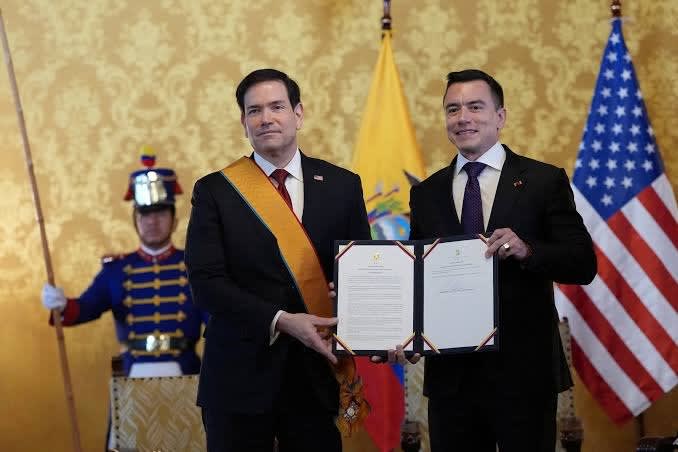
The summit generated mixed reactions in the region. Countries in the conservative axis — Milei's Argentina, Bukele's El Salvador, Noboa's Ecuador — backed the initiative. At the opposite extreme, Brazil, Colombia, Chile, Mexico, Uruguay, and Spain had previously condemned the Venezuelan operation as "an extremely dangerous precedent." Colombian President Gustavo Petro, who months later will not be able to seek reelection, responded on social media calling on Latin America to unite and look "in all directions" without subordinating itself to the north. The summit takes place in a context where relations between Washington and several regional governments are more tense than they have been in decades, with military threats, tariffs, and diplomatic pressure as the backdrop.
Reader Conversation
You must be logged in to post a comment.