U.S. Treasury Targets Ecuador Maritime Drug Network Tied to Mexican Cartels

The U.S. Treasury Department said it sanctioned a drug trafficking network based in Ecuador for allegedly smuggling large amounts of cocaine through Ecuador, Mexico and into the United States. The operation is said to be tied to Ecuadorian criminal groups Los Choneros and Los Lobos, and large Mexican cartels that profit from international narcotics distribution.
The sanctions were aimed at 15 individuals and entities believed to have helped a maritime trafficking network that used fishing boats off the coast of Ecuador to send shipments of cocaine. U.S. officials said the network was moving thousands of pounds of cocaine a month along the eastern Pacific route to Mexico, where the drugs were then distributed into the United States.
The move is the latest in an ongoing campaign by Washington to combat transnational criminal groups operating across Latin America.
U.S. officials said the network was operating under the guise of apparently legitimate fishing operations, with vessels based in Ecuador transferring cocaine shipments to smaller vessels known as “go-fast” boats.
U.S. Treasury Targets Cocaine Shipping Routes in Ecuador
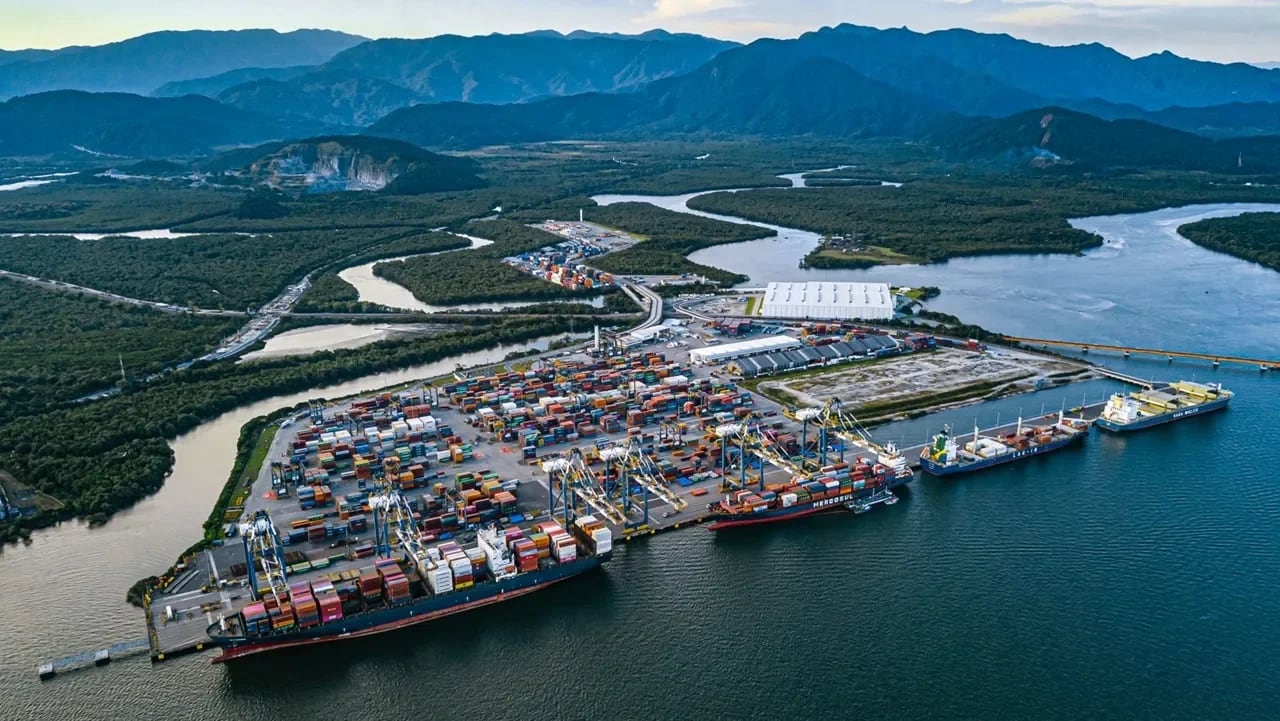
The Treasury Department’s sanctions targeted a smuggling network on Ecuador’s Pacific coast, in particular the port city of Manta.
U.S. authorities said the network used fleets of fishing boats to take loads of cocaine out to sea, where the cocaine was transferred to smaller boats bound for the Pacific Ocean and north.
The smuggling route linked Mexican groups that shipped drugs into the U.S. market with Ecuadoran criminal groups, officials said.
It targets two of Ecuador’s most powerful gangs: Los Choneros and Los Lobos. Both groups have been accused by authorities of drug smuggling, violence and fighting over territory inside Ecuador.
US sanctions freeze any assets of targeted individuals and entities that are in US jurisdiction and prohibit US persons and financial institutions from dealing with them.
Treasury also imposed sanctions on vessels it believes were involved in the smuggling scheme, barring them from international financial services.
The goal, officials said, was to dismantle the financial networks that support organized crime generally, and not just target individual smugglers.
Los Choneros and Los Lobos: Key Players in Ecuador’s Security Crisis
The sanctions are a sign of the growing power of Ecuadorian criminal groups in international drug trafficking.
Ecuador's violence and conflict on trafficking routes is increasing. The biggest organized crime players in the country are Los Choneros and Los Lobos.
Authorities have linked the Choneros, one of Ecuador’s most powerful criminal gangs, to drug trafficking and violence in prisons and neighborhoods.
Another large criminal gang, Los Lobos, has been fighting turf wars and fighting over trafficking routes.
Criminal groups are fighting each other, which has made security problems worse in Ecuador, especially in the coastal provinces where ports are important for the international cocaine traffic.
Ecuador is being squeezed between Colombia and Peru -- two of the world's biggest cocaine producers -- and is increasingly a transit point for drugs headed for North America and Europe.
Criminal networks have expanded and the Ecuadorian government is under pressure to improve coordination with international partners in the struggle against organized crime.
US, Ecuador Deepen Cooperation on Drug Trafficking
The Treasury sanctions come as part of a broader effort to clamp down on security cooperation between Washington and Quito.
The government of Ecuador President Daniel Noboa has increased cooperation with the United States in combating narcotics and organized crime.
Ecuadorian officials said cooperation with U.S. agencies has improved maritime surveillance and strengthened efforts to stop trafficking operations.
The partnership will include intelligence sharing, security assistance and targeting criminal networks.
Criminal groups are spreading their influence worldwide, and U.S. law enforcement is increasingly focused on trafficking routes in Latin America.
The new sanctions are also part of a broader US strategy to try to cripple criminal organizations with financial sanctions.
Treasury sanctions are meant to cut off the financial lifeblood of trafficking groups, not just arrests or seizures.
Officials say attacks on financial networks can cripple criminal organizations' ability to buy equipment, recruit members and maintain international links.
Mexican Drug Cartels Remain Central to World Supply Chain
U.S. officials said the Ecuadoran trafficking network supplied cocaine to Mexican criminal organizations that moved the drugs into U.S. markets.
Historically, Mexican cartels have had control over the international drug distribution system that links South American producers and suppliers with North American markets.
The alleged Ecuador-Mexico-US route is part of the current international drug trade that stretches across several countries.
Organized criminal groups frequently function as cells with different groups handling production, transport, logistics and distribution.
This architecture is global and thus more difficult to enforce. Removing one part of the network may not be enough to stop the whole operation.
There is growing interest among US authorities in the connections between Mexican cartels and criminal gangs in Latin America.
The latest sanctions were intended to disrupt cooperation between gangs in Ecuador and larger international trafficking groups, the Treasury Department said.
Ecuador Takes on Organized Crime
The sanctions come as Ecuador faces one of its worst security crises in decades.
Drug trafficking has generated violence, particularly in coastal areas where criminal groups compete for control of smuggling routes and ports.
Organized crime has been on the rise in the country since 2021 with gangs moving beyond their traditional trafficking routes into extortion, kidnapping and other criminal enterprises.
In response, the government has ramped up security operations and bolstered international partnerships.
Analysts said more fundamental problems that any long-term solution will have to address are corruption, economic opportunity and weak institutions.
Criminal organizations seeking new recruits frequently target impoverished communities with limited employment prospects. These areas may be more appealing for illegal activities.
But security analysts also warn that hitting leadership may not be enough to dismantle trafficking networks as groups are quick to replace members.
The sanctions are part of a broader U.S. campaign to deny money to criminal groups and stem their cross-border activity.
New Sanctions Show U.S. Striking Back at Drug Networks in Region
The Treasury action is the latest example of Washington’s increasing use of financial weapons against organized crime. US authorities are targeting individuals, companies and vessels involved in trafficking operations to dismantle the infrastructure of international drug networks.
The move strengthens the growing security links between Washington and Quito.
Governments across the Americas are working more closely to fight cross-border criminal organizations as drug routes change.
The problem in Ecuador is how to carry out security operations within the broader efforts to restore stability and reduce violence.
Illicit drug trafficking continues to impact communities across the country and the United States remains committed to dismantling trafficking organizations.
The most recent sanctions against a network in Ecuador tied to the criminal groups Los Choneros and Los Lobos show how the international fight against drug trafficking is increasingly targeting financial institutions, maritime routes and cross-border partnerships.
Reader Conversation
You must be logged in to post a comment.