Venezuela Approves Amnesty Law Under Rodriguez

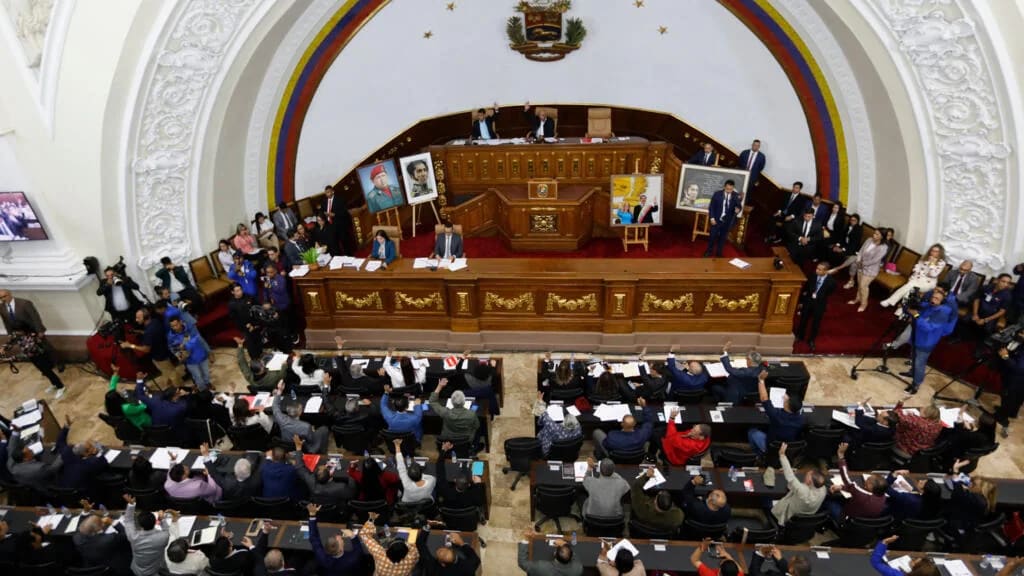
Caracas: Venezuela's acting president, Delcy Rodríguez, enacted on February 19, 2026, a historic amnesty law that could benefit hundreds of political prisoners, activists, lawyers, and citizens detained during the era of Nicolás Maduro. The measure represents a radical shift in Venezuelan politics following Maduro's capture by US forces in January.
The law, approved by the National Assembly with the support of both reformist pro-government blocs and the moderate opposition, establishes a case-by-case review mechanism to determine who qualifies for immediate release or sentence reduction. Human rights lawyers estimate that up to 300 people could benefit in the first weeks.
Scope of the Measure
The amnesty covers people detained for protesting, practicing journalism, expressing opinions on social media, or for political affiliation between 2017 and 2025. It does not apply to those facing charges for violent crimes or corruption. A special review commission composed of representatives from the Attorney General's office, the Ombudsman, and civil organizations will determine each case.
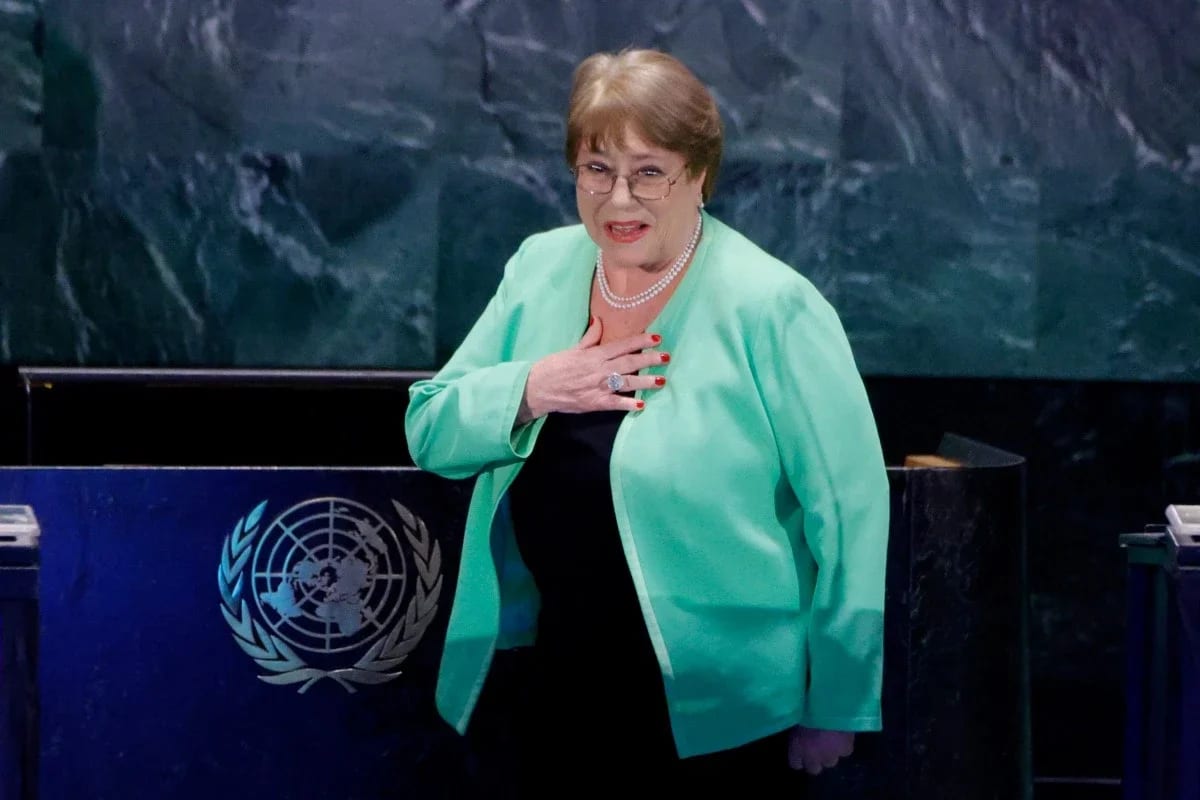
International human rights organizations, including Amnesty International and Human Rights Watch, welcomed the measure but requested guarantees that the process be transparent and impartial. The UN High Commissioner for Human Rights offered technical assistance.
Political Context
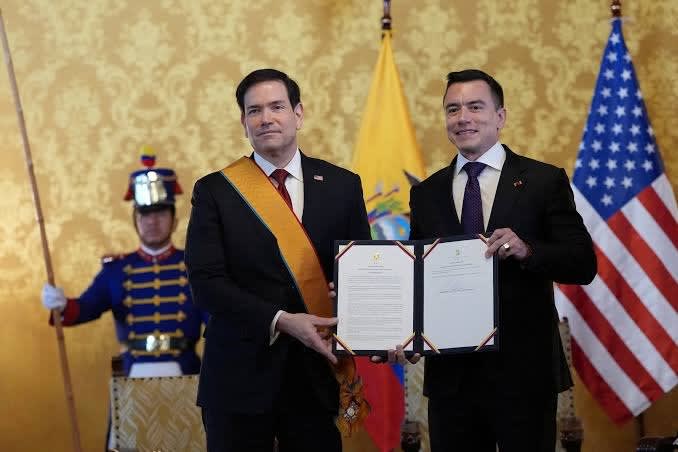
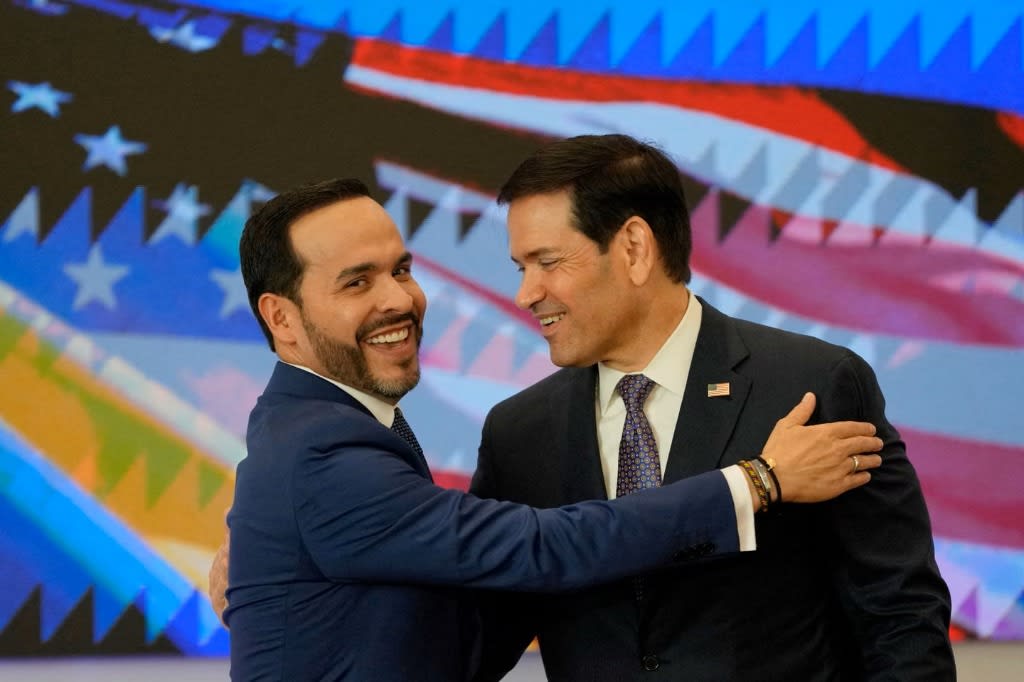
The approval of the amnesty comes in a context of deep political uncertainty. Rodríguez has been governing since Maduro was captured in a nighttime operation by US special forces in the Caracas metropolitan area. Secretary of State Marco Rubio described the Venezuelan transition as a three-phase process: stabilization, economic recovery, and political transition.
The opposition in exile, led by María Corina Machado, received the law with caution. Machado argues that any transition process must be accompanied by a clear roadmap toward free elections verified by international bodies. Tensions between Rodríguez and the more radical sectors of the opposition continue to be an obstacle to an orderly transition.
Reader Conversation
You must be logged in to post a comment.