Cuba Reforms Its Health System in Search of Quality Care

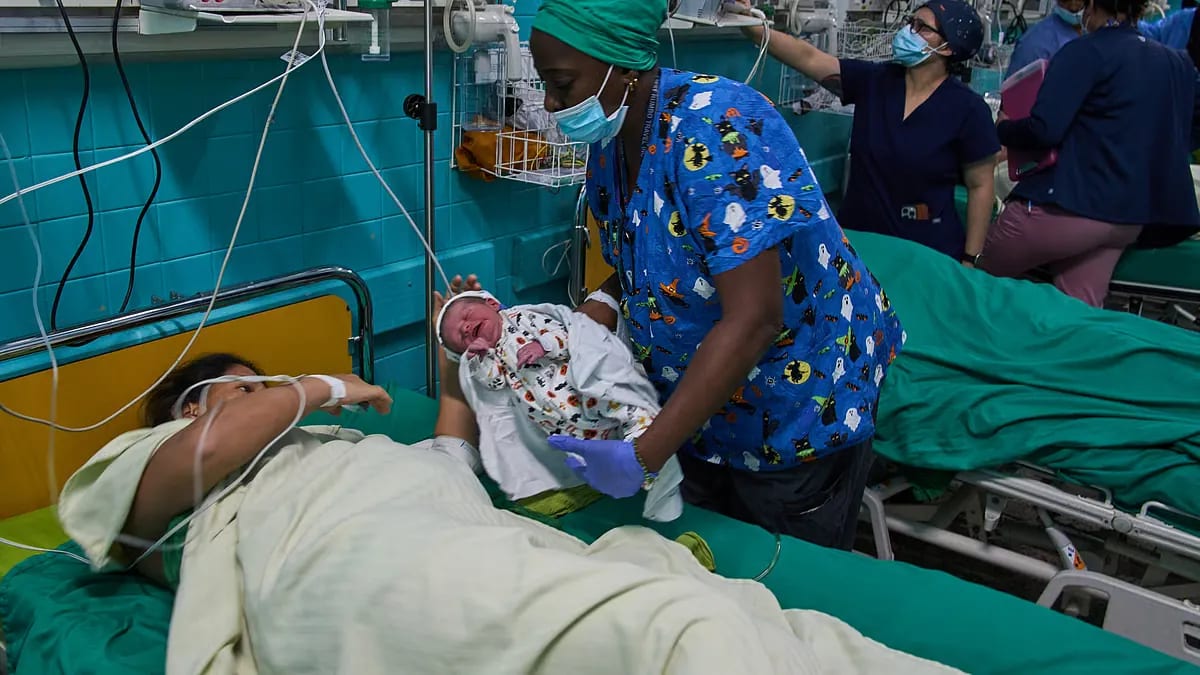
Havana: Cuba, which for decades was a world reference in public health coverage and in the export of doctors to allied countries, faces in 2026 a structural crisis of its health system. The new government headed by Prime Minister Óscar Pérez-Oliva Fraga has acknowledged the system's deficiencies and announced a reform plan that includes, for the first time, opening to the private sector and reduction of the medical missions program abroad.
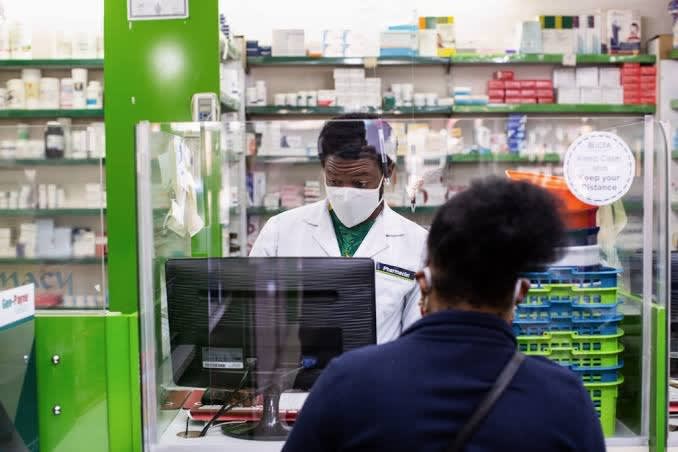
The Cuban health system crisis has multiple causes. The shortage of medicines, aggravated by US sanctions and the economic crisis, has left many pharmacies with empty shelves. Medical equipment is obsolete due to lack of investment. And the mass emigration of doctors and nurses, attracted by incomparably better salaries abroad, has created a serious staff shortage in the public system.
Announced Reforms
The Pérez-Oliva Fraga government announced it will permit the opening of private clinics for the first time in more than 60 years, with state regulation. It will also reduce the number of medical missions sent to Venezuela, Nicaragua, and other allied countries to redirect doctors to the domestic system.
The reform includes salary increases for medical staff, with the goal of reducing emigration and attracting back professionals who emigrated. The average increase will be 120%, although Cuban salaries remain low in absolute terms compared to any country in the region.
Impact on International Cooperation
The reduction of medical missions will have an impact on countries like Venezuela, Bolivia, Nicaragua, and several Brazilian and Ecuadorian states that depend on Cuban doctors to serve rural communities. These programs not only generate foreign currency for Cuba but constitute a network of diplomatic and political influence that the new government will have to manage carefully.
Reader Conversation
You must be logged in to post a comment.