Latin American Cinema and Indigenous Storytelling Reach Historic Triumphs at International Autumn Festivals

SAN SEBASTIÁN: A triumphant wave of bold, auteur-driven cinema from Latin America concluded the major European autumn film festival circuit with historic distinction, capturing top jury prizes, audience honors, and international distribution deals in San Sebastián, Biarritz, and Venice.
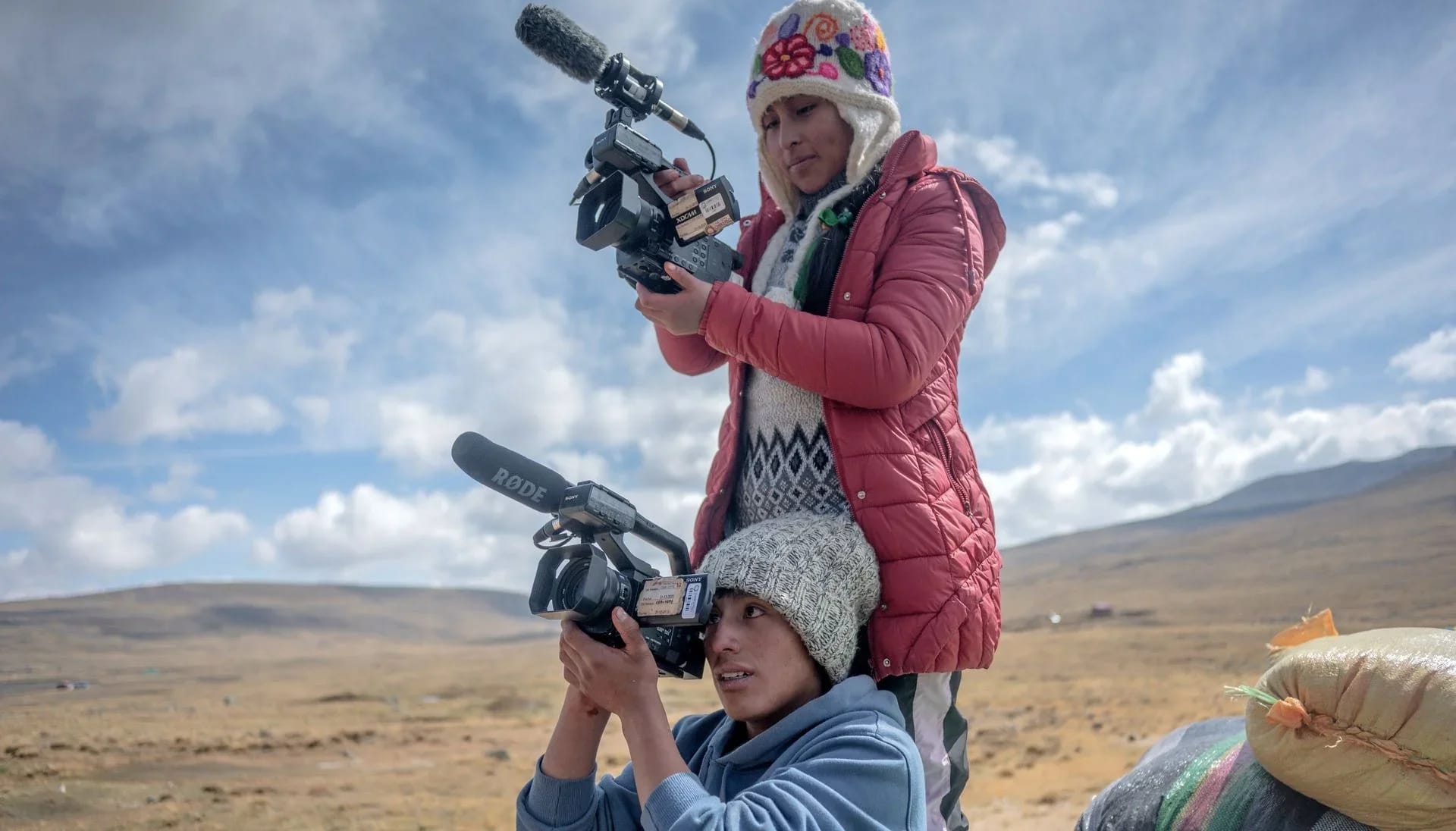
Leading the continental celebration was Peruvian-Quechua filmmaker Maywa Quispe’s spellbinding environmental drama *Yaku Pachamama* (Water and Earth), which claimed the prestigious Golden Shell nomination and Jury Special Award at San Sebastián, hailed by international critics for its poetic visual composition and uncompromising exploration of Andean ecological memory.
Alongside Peruvian triumphs, contemporary features and hybrid documentary essays from Colombia, Chile, and Mexico swept key categories, demonstrating the vibrant artistic vitality and thematic depth of contemporary Latin American cinematography.
Decolonial Narratives and Multilingual Expression
Festival juries and film scholars highlighted that this year's awarded productions represent a profound maturation of independent regional cinema, moving beyond conventional stereotypes toward layered explorations of memory, indigenous cosmology, and urban transformation.
In Biarritz, the Grand Prix for Latin American Cinema was awarded to Colombian director Mateo Restrepo’s *Los Silencios del Río*, an intimate narrative exploring community resilience along the Magdalena River basin.
"Our cinema is claiming its rightful place on the world stage not as folklore, but as universal high art that challenges global aesthetic conventions and elevates ancestral memory," declared director Maywa Quispe during her acceptance speech.
Key Artistic Trends Celebrated by International Critics
Film historians and festival curators identify three defining pillars powering the current cinematic renaissance:
- Indigenous Language Sovereignty: Record numbers of festival-awarded feature films written, spoken, and directed in native Quechua, Wayuunaiki, and Mapuzugun.
- Ecology & Biocultural Cinema: Narratives centering natural rivers, sacred mountains, and forests as active characters in human drama rather than passive backdrops.
- Decentralized Production Collectives: Emergence of independent film labs and regional co-production funds outside capital cities, democratizing film access.
Global Distribution and Streaming Premieres
International art-house distributors confirmed theatrical release schedules across Europe, North America, and Latin America for early 2027, accompanied by specialized educational retrospectives across university film archives.
Reader Conversation
You must be logged in to post a comment.