Severe El Niño Climate Cycle Peaks Across South America, Triggering Historic Water Reserves Deficit and Emergency Responses


LIMA: An exceptionally intense El Niño oceanic warming phenomenon reached its projected meteorological peak across the equatorial Pacific this week, triggering severe hydrologic deficits, extreme heat anomalies, and historic river basin depletion across western and central South America.
The compound climate shock—monitored jointly by the World Meteorological Organization (WMO) and regional hydrological institutes—has pushed major reservoirs to historic lows in Colombia, Ecuador, Peru, and Bolivia, severely constraining hydroelectric power generation and municipal drinking water supply systems.
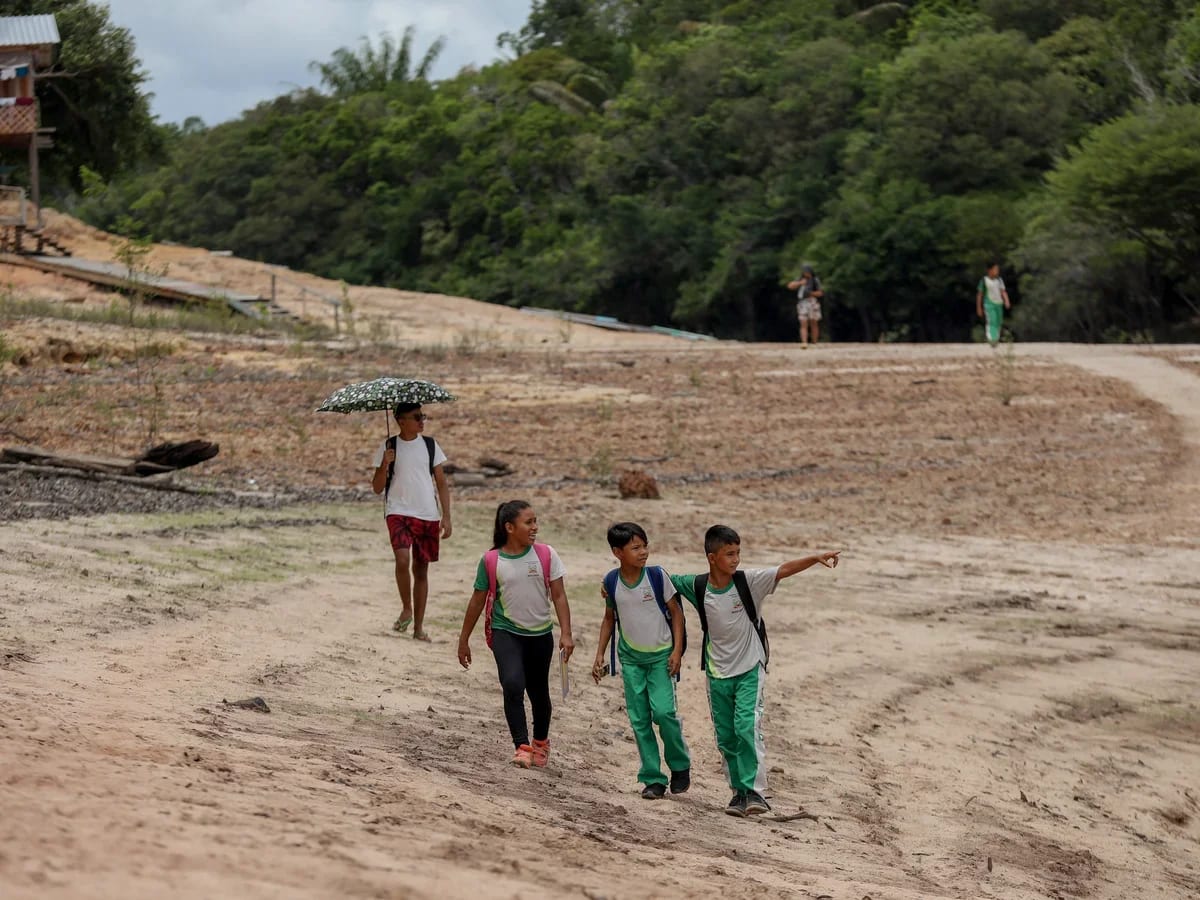
In the greater Amazon and Paraná river basins, navigation for critical commercial barges and remote medical vessels remains severely restricted, while agricultural authorities in the Andean valleys reported unprecedented soil moisture deficits threatening staple grain and potato cultivation.
Hydroelectric Strain and Emergency Energy Rationing
With hydroelectric facilities accounting for more than 60 percent of regional electricity grids in the Andean nations, governments in Quito and Bogotá have activated emergency thermal backup plants and mandated nationwide energy-conservation measures to avoid rolling blackouts.
In Peru, the National Civil Defense Institute (INDECI) extended emergency declarations across sixty-two southern and central provinces, deploying mobile water purification units and emergency feed supplies for high-altitude pastoral livestock.
"We are witnessing the compounding interaction between a powerful natural El Niño cycle and long-term anthropogenic warming, creating hydro-climatic stress of unprecedented scale across South America," explained Dr. Jorge Luis Chira, Senior Climatologist at SENAMHI.
Key Ecological and Human Impacts Across the Continent
Environmental researchers and emergency responders emphasize four critical operational vulnerabilities:
- Amazonian Aquatic Ecosystems: Water temperatures in Amazon tributaries exceeding 36°C have sparked heightened surveillance to prevent catastrophic river dolphin and fish die-offs.
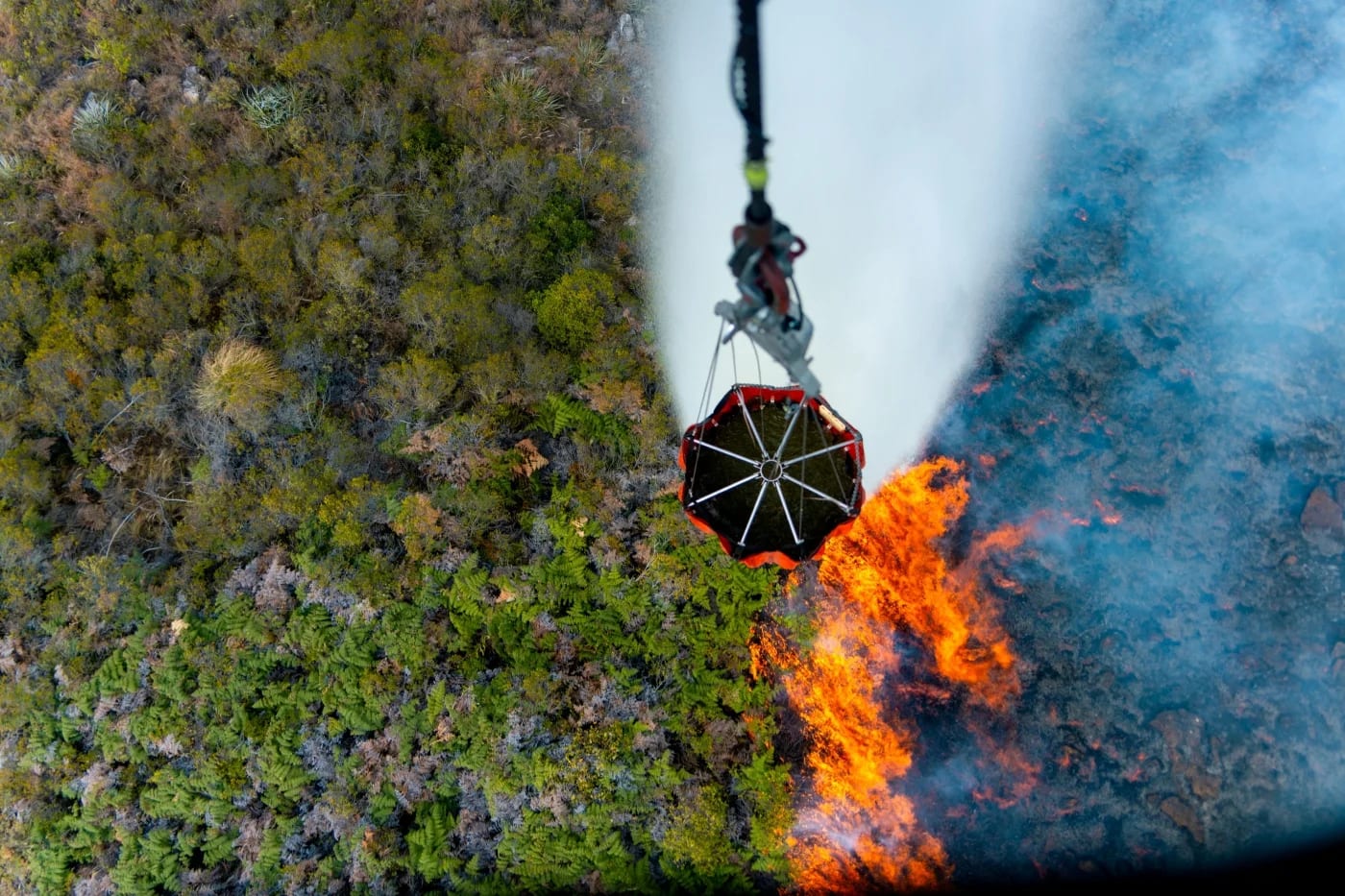
- Wildfire Proliferation: Prolonged dryness in the Pantanal wetlands and Chiquitania dry forests has triggered red-alert fire bans and international aerial firefighting mobilizations.
- Food Security & Agricultural Yields: Up to 35 percent reductions in rain-fed subsistence harvests across the Altiplano plateau have prompted UN emergency nutrition contingency plans.
- Coastal Fishery Shifts: Massive southward migration of commercial anchovy and sardine schools toward colder Chilean waters has disrupted coastal fishing fleets.
Multilateral Adaptation Measures Ahead of COP30
Environment ministers across South America announced an emergency virtual summit for next week to establish a unified hydrological data-sharing protocol and petition international climate loss-and-damage mechanisms for immediate adaptation financing.
Reader Conversation
You must be logged in to post a comment.